Horaizon Orthopedic Implants
Horaizon Orthopedic Implants
Horaizon Orthopedic Implants
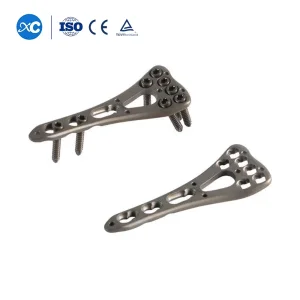
The global orthopedic implant market has witnessed a significant transformation, with the Proximal Humeral Locking Plate (PHLP) emerging as the gold standard for treating displaced proximal humerus fractures. In the current industrial landscape, the demand for these specialized implants is driven by two primary factors: a rapidly aging global population prone to osteoporotic fractures and a rise in high-energy trauma incidents resulting from sports and industrial accidents.
Historically, the market was dominated by a few multi-national giants. However, the paradigm has shifted. Today, the China Top Proximal Humeral Locking Plate Manufacturers have bridged the gap between premium quality and economic viability. Through advanced CNC machining, precision surface treatment (Anodization), and rigorous bio-mechanical testing, Chinese suppliers like Horaizon Medical are now providing world-class orthopedic solutions that meet CE and ISO 13485 standards, making them the preferred choice for procurement departments in Europe, Southeast Asia, and Latin America.
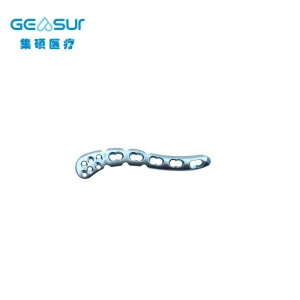
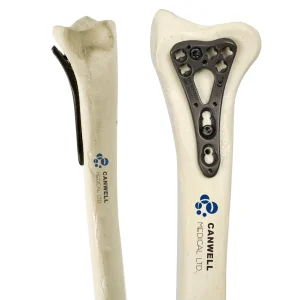
Technological evolution in the orthopedic industry is moving toward anatomical pre-contouring and variable-angle locking technology. Modern surgeons require plates that mimic the natural shape of the humerus to minimize the need for intraoperative bending, which can weaken the metal structure. Furthermore, the integration of 3D printing for customized surgical guides is becoming a standard in complex reconstruction cases.
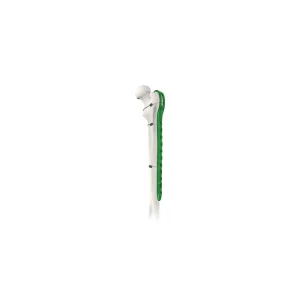
In high-volume Level 1 trauma centers, our Proximal Humeral Locking Plates are utilized for multi-fragmentary fractures where stable internal fixation is critical for early mobilization.
Specifically designed for osteoporotic bone, the locking screw-to-plate interface acts as a single construct, significantly reducing the risk of screw pull-out in elderly patients.
For athletes with proximal humerus injuries, the low-profile design of our implants reduces the incidence of subacromial impingement, allowing for a faster return to sport.
Zhejiang Horaizon Medical Device Co., Ltd. stands as a beacon of precision in the orthopedic manufacturing sector. As a combined force of development, manufacture, and sales, we offer an unparalleled advantage to global distributors and hospitals.
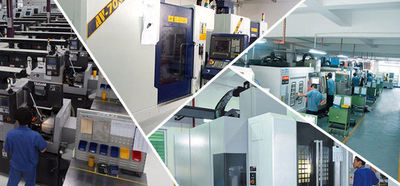

Zhejiang Horaizon Medical Device Co., Ltd. is a leading enterprise specializing in orthopedic medical devices. Our commitment to "precision, professional, innovative" drives us to create new value for the community. With complete sets of precision testing equipment and a management philosophy rooted in excellence, we provide simpler operational functions for surgeons and better outcomes for patients worldwide.
The engineering behind a Proximal Humeral Locking Plate is a sophisticated blend of metallurgy and anatomy. The proximal humerus is a complex region where multiple tendons of the rotator cuff attach. Fractures here often lead to poor blood supply (avascular necrosis) if the fixation is too bulky or requires extensive stripping of the periosteum.
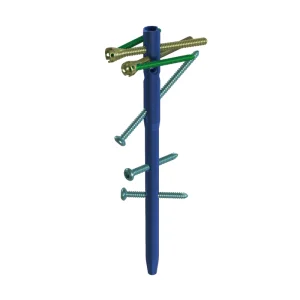
Traditional compression plates rely on the friction between the plate and the bone. However, in osteoporotic bone—common in the proximal humerus—this friction is often insufficient. The Locking Plate technology creates a "fixed-angle construct." The screw heads thread into the plate itself, meaning the screws do not need to rely on bone quality to maintain the plate's stability. This is why China Humeral Locking Plate Suppliers focus heavily on the threading precision of the plate-screw interface.
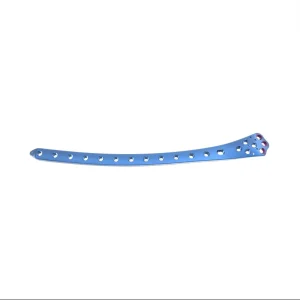
Our titanium plates undergo a specialized anodization process. This not only allows for color-coding (helping nurses and surgeons identify sizes quickly) but also creates a hard oxide layer that improves corrosion resistance and reduces the release of metal ions into the body. This is a critical factor for long-term implantation safety.
In the post-pandemic era, procurement managers for global hospital chains are looking for supply chain resilience. Relying on a single geographical source is no longer viable. China's mature medical manufacturing ecosystem provides the stability needed for large-scale orthopedic supplies. We offer OEM/ODM services, allowing global brands to leverage our high-tech manufacturing facility to produce their own designs.
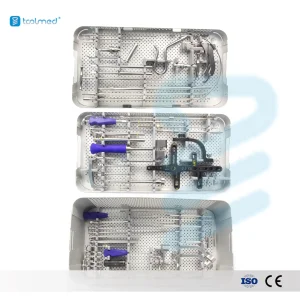
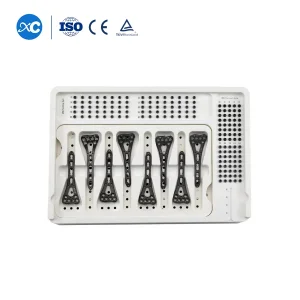
An implant is only as good as the instruments used to install it. At Horaizon Medical, we provide comprehensive Instrument Sets that are ergonomically designed to reduce surgical time. Shorter surgical times lead to lower anesthesia risks and reduced infection rates, which are key KPIs for modern healthcare facilities.