Horaizon Orthopedic Implants
Horaizon Orthopedic Implants
Horaizon Orthopedic Implants
Engineered for orthopedic excellence, providing Lisbon surgical clinics with ultra-low wear rates and micro-precise positioning systems.
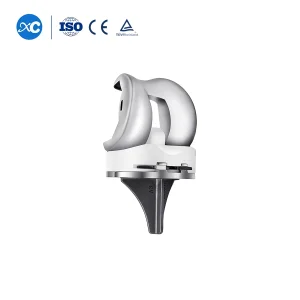
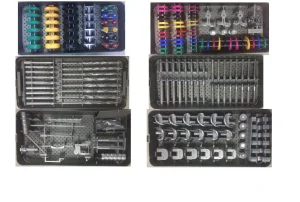
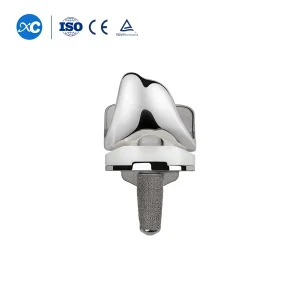
A analytical whitepaper on demographic transitions, surgical requirements, and material sciences in joint reconstruction.
The Lisbon Metropolitan Area, encompassing key population hubs such as Cascais, Oeiras, Sintra, and central Lisbon, is experiencing a profound demographic transition. With Portugal recording one of the highest aging indexes within the European Union, the clinical load on orthopaedic wards has surged. Municipal health centers and tertiary care hospitals, such as the Centro Hospitalar Universitário de Lisboa Central (CHULC) and the Hospital de Santa Maria, report unprecedented waiting lists for joint reconstruction procedures.
As osteoarthritis (OA) and degenerative joint diseases manifest progressively in the aging population, Total Knee Arthroplasty (TKA) has transitioned from an elective quality-of-life intervention to a critical healthcare priority. The Portuguese National Health Service (Serviço Nacional de Saúde - SNS) is actively addressing these backlogs by expanding partnerships with private healthcare networks, including CUF, Luz Saúde, and Lusíadas. This dual-sector demand requires a highly resilient supply chain of CE-certified orthopedic implants capable of matching the biological variations and active lifestyles of modern European patients.
Globally, the market for Total Knee Replacement is defined by transition: moving away from generic, one-size-fits-all components toward patient-specific implants and digitized workflow alignment. Today’s market demand focuses heavily on the mechanics of wear reduction. The combination of advanced metallurgy and polymer science defines the clinical lifespan of modern implants.
Key technological pillars of current orthopedic engineering include:
Using German-manufactured Ultra-High-Molecular-Weight Polyethylene (UHMWPE), cross-linked and infused with Vitamin E, to drastically minimize delamination and oxidation wear.
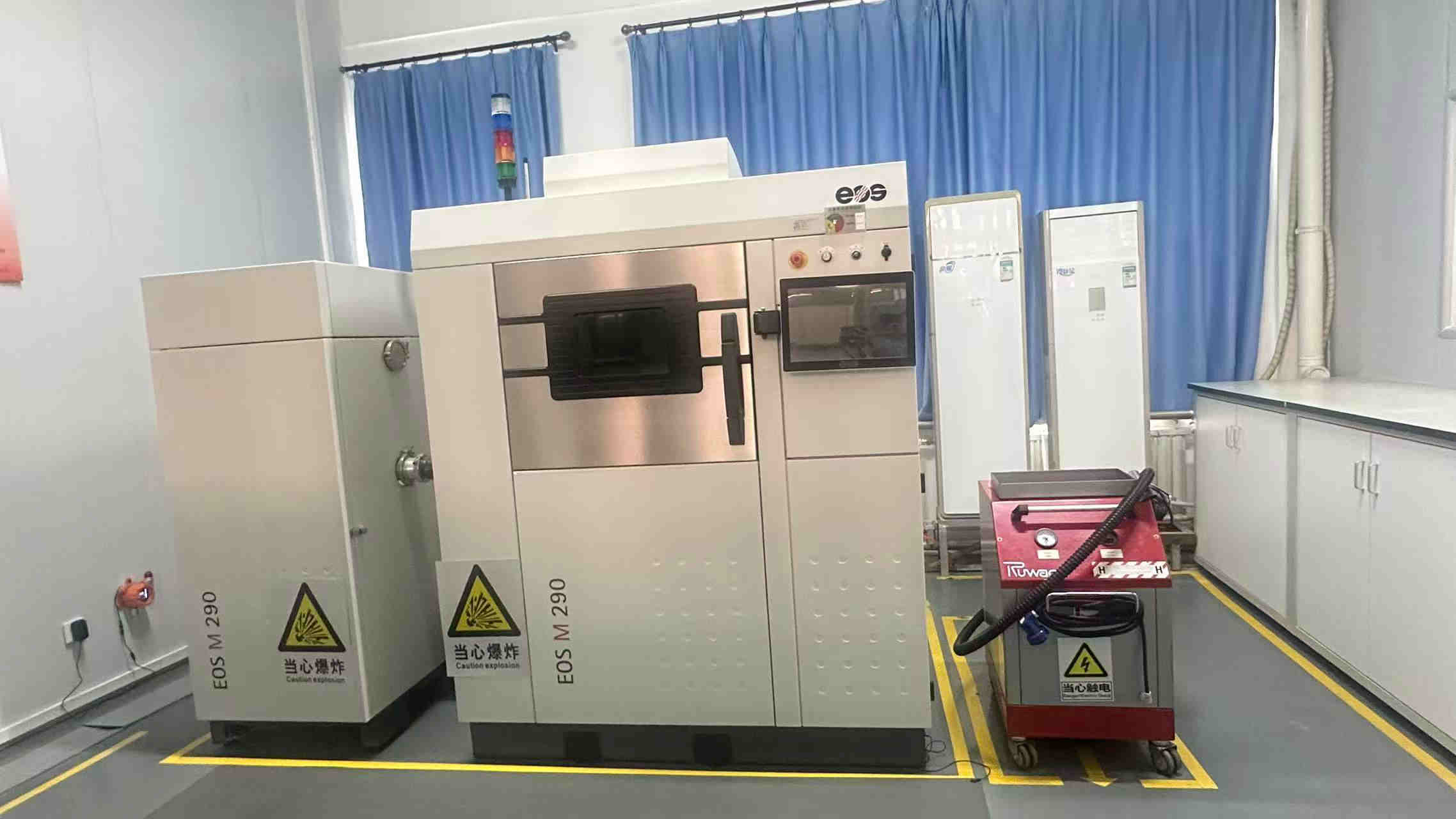
Direct Metal Laser Sintering (DMLS) of Titanium (Ti6Al4V ELI) structures to create porous surfaces that mimic trabecular bone, optimizing biologic fixation without the need for bone cement.
Surgical instrumentation manufactured from surgical-grade titanium and stainless steel, ensuring sub-micron accuracy during bone resecting procedures.
Total Knee Replacement involves complex mechanical geometry. Surgeons in Lisbon require implants that preserve natural kinematics. Cruciate-Retaining (CR) models focus on maintaining the posterior cruciate ligament, providing proprietary stability for patients with intact ligamentous structures. Conversely, Posterior-Stabilized (PS) implants utilize a peg-and-cam mechanism to substitute for missing ligaments, ensuring knee stability through varying flexion degrees.
Furthermore, patellofemoral tracking remains a key factor in long-term surgical success. Modern anatomical femoral components feature asymmetrical patellar grooves that minimize lateral tension and tracking complications, substantially reducing post-operative anterior knee pain.
A premier global manufacturing center combining design innovation, advanced material machining, and rigorous clinical safety standards.
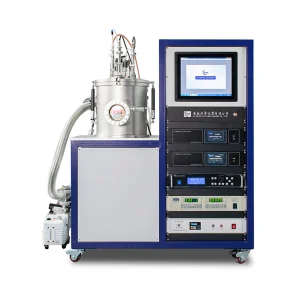
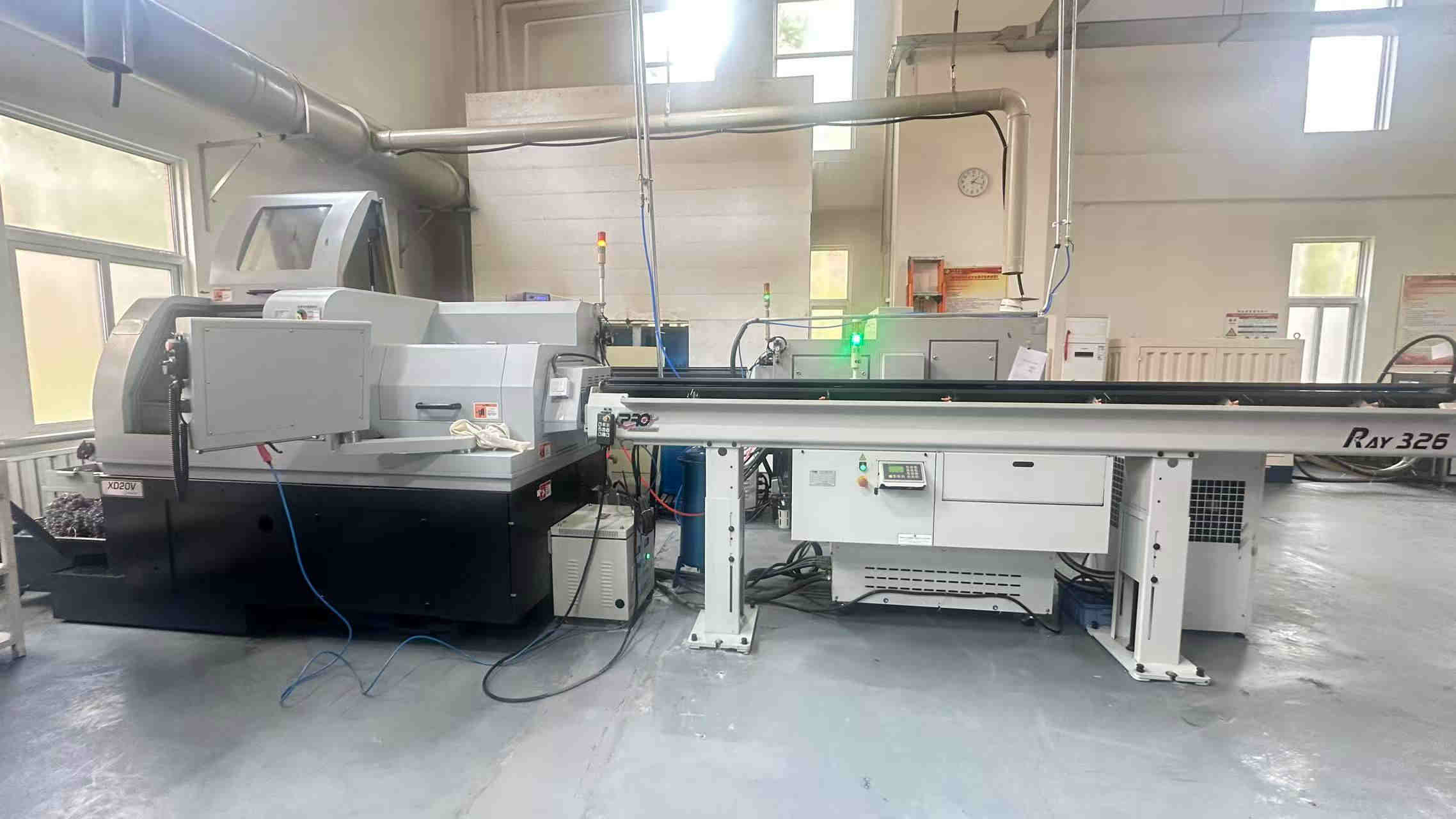
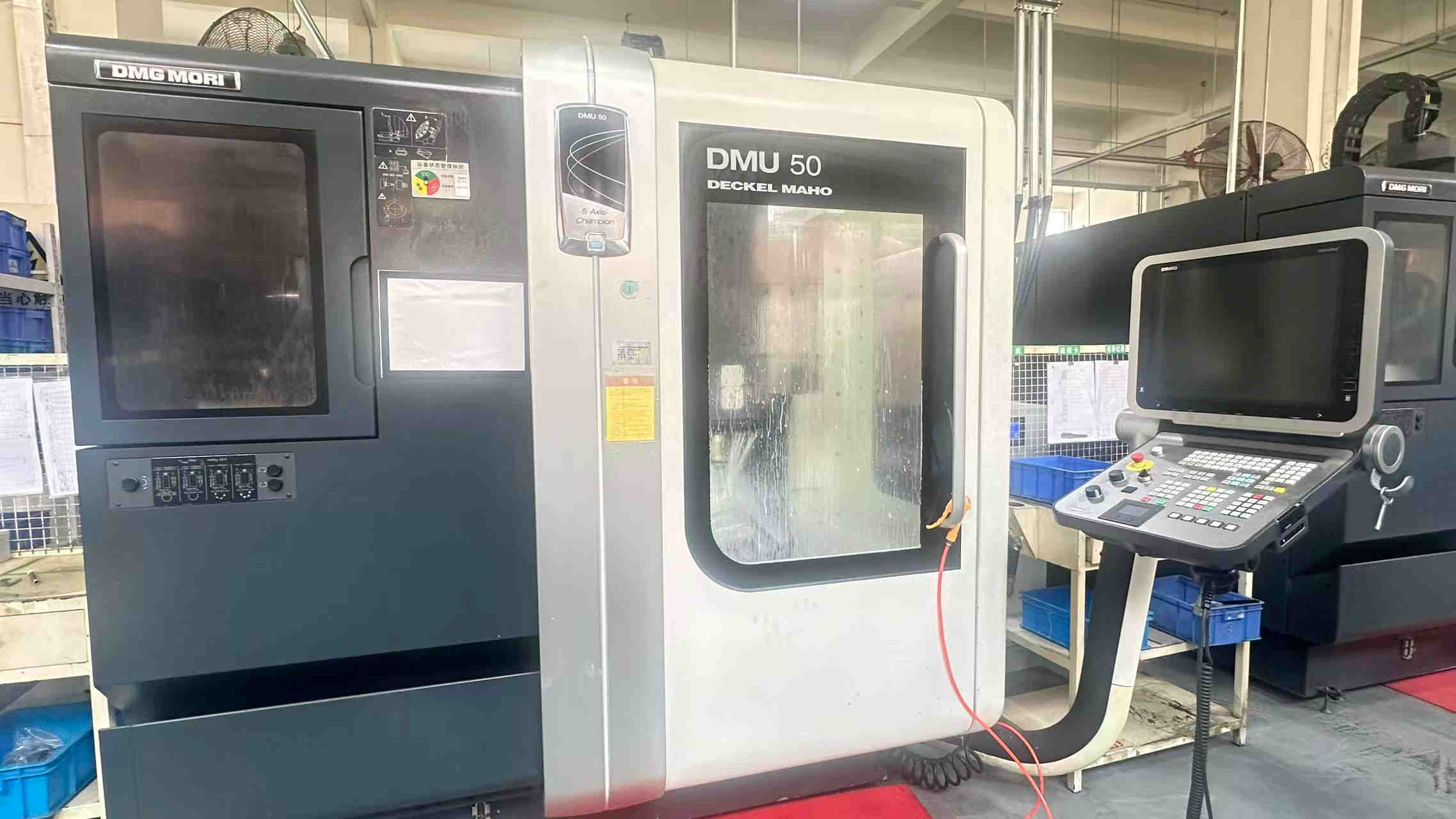
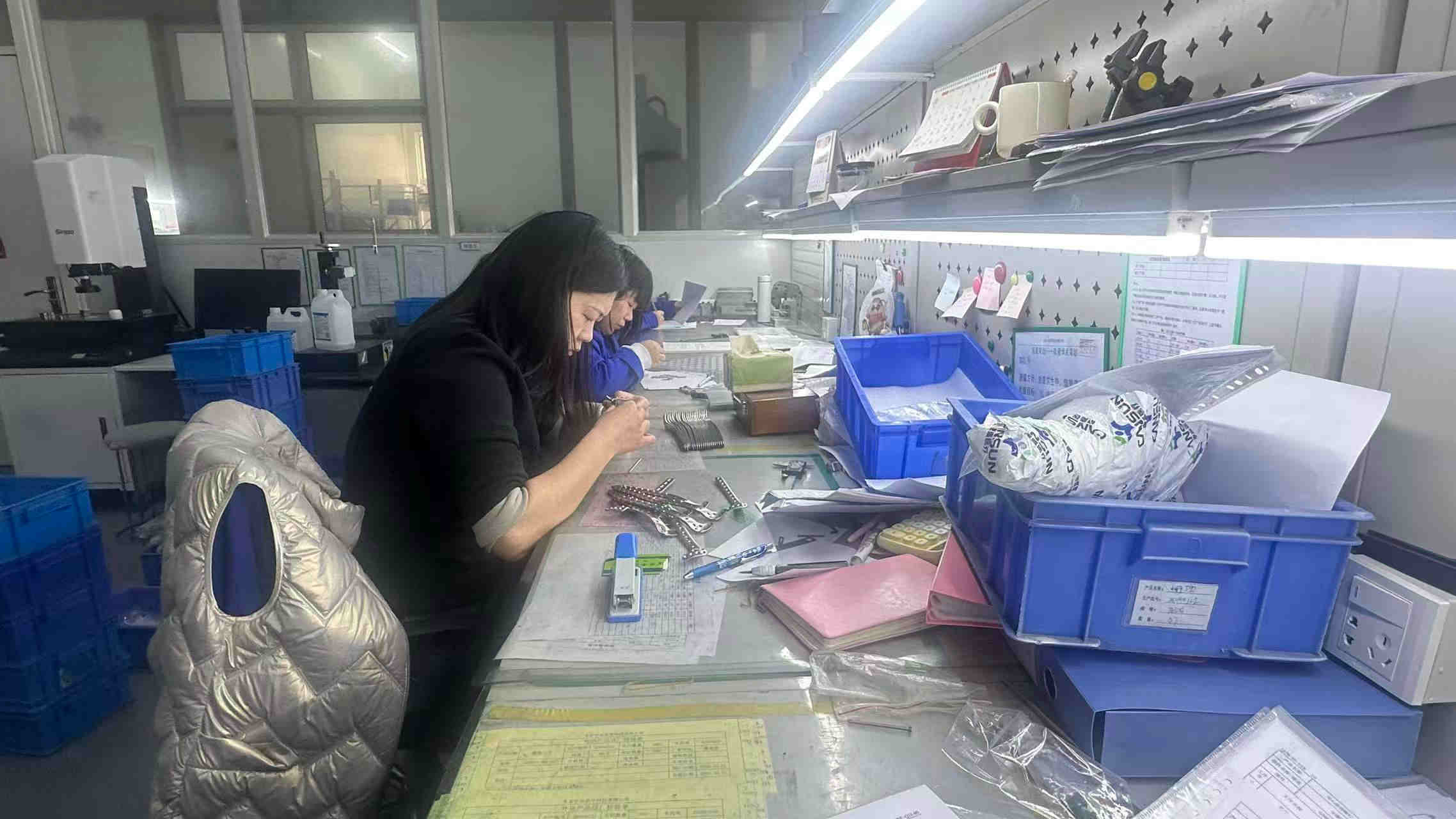
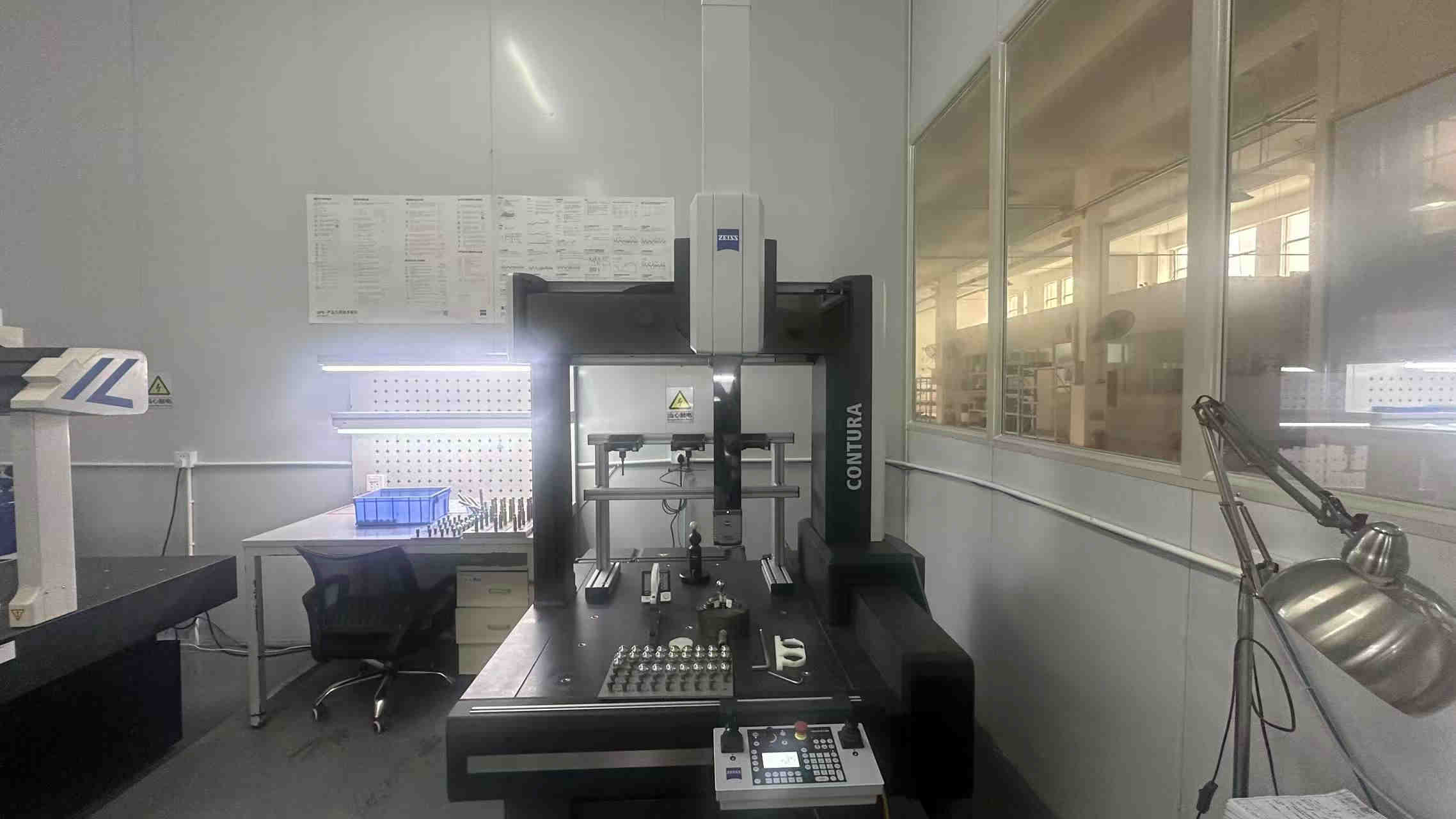
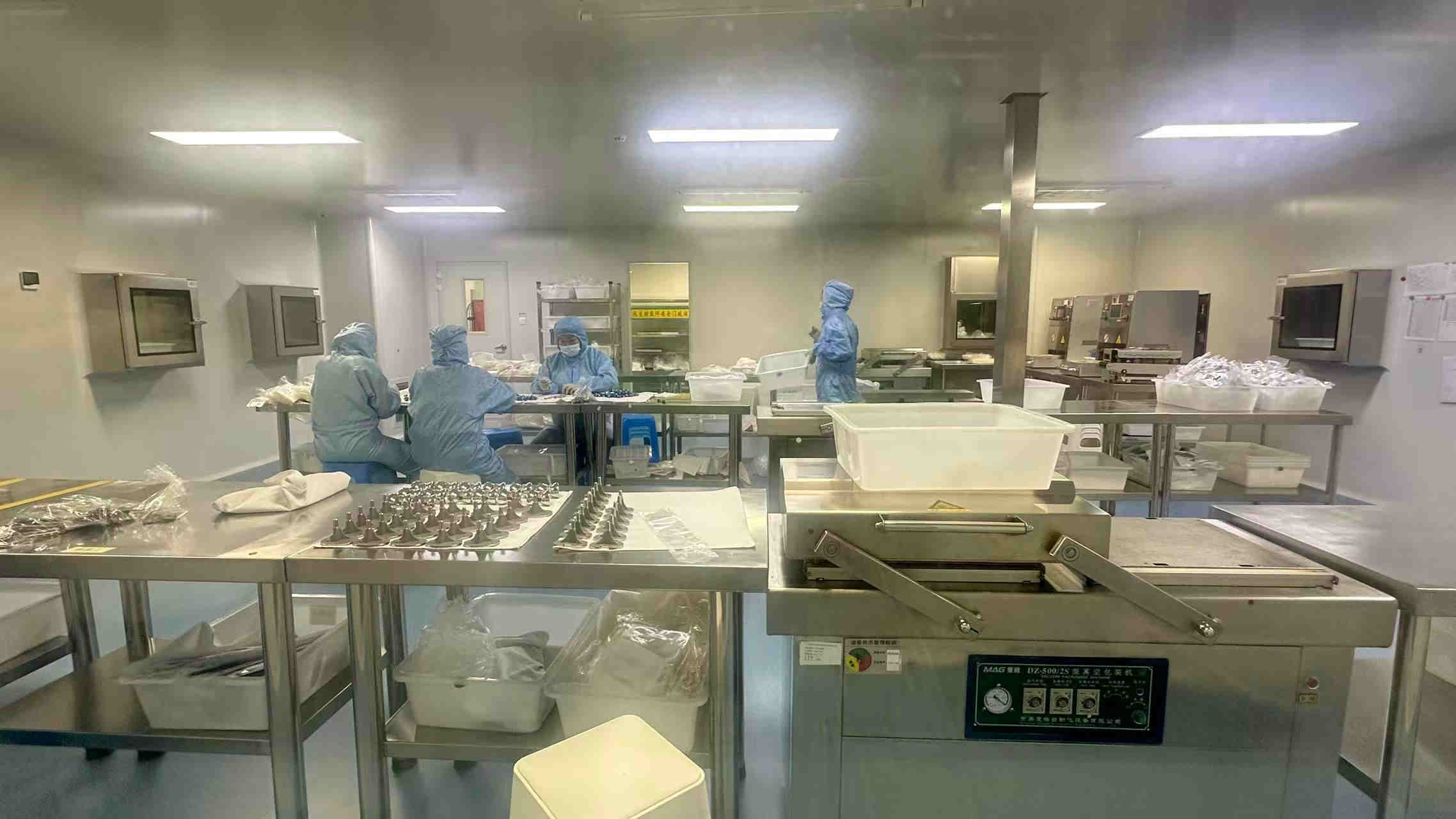
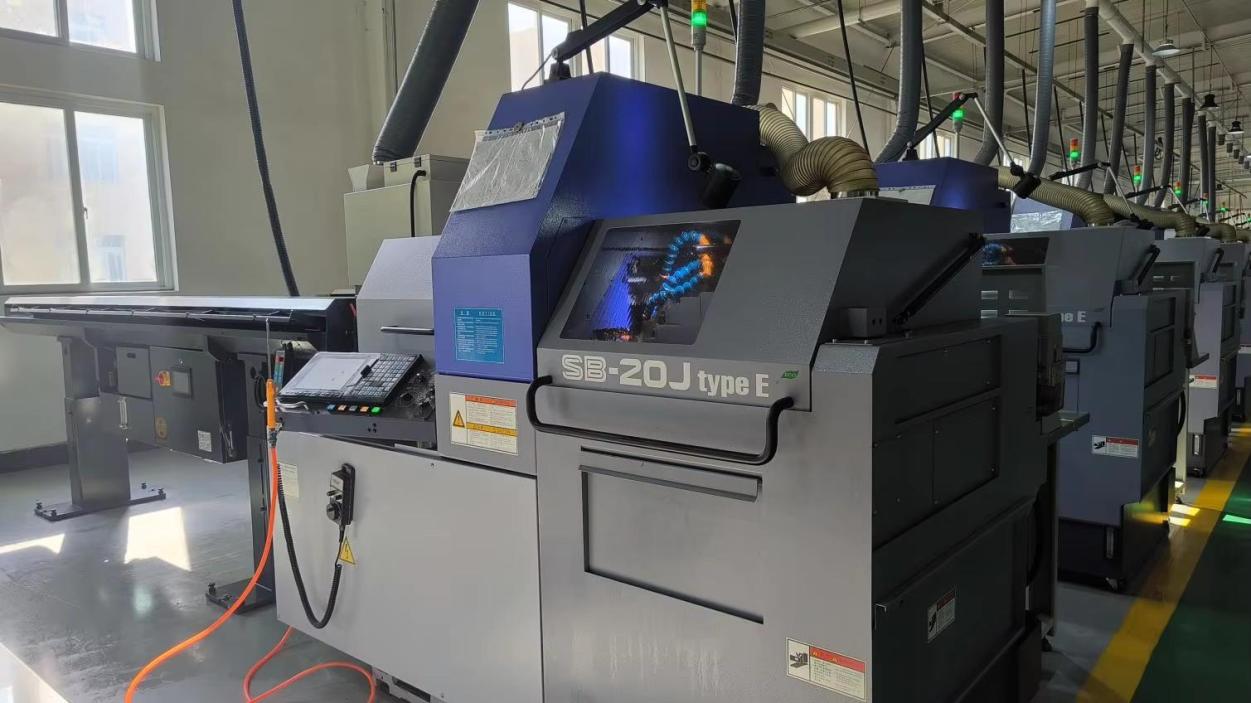
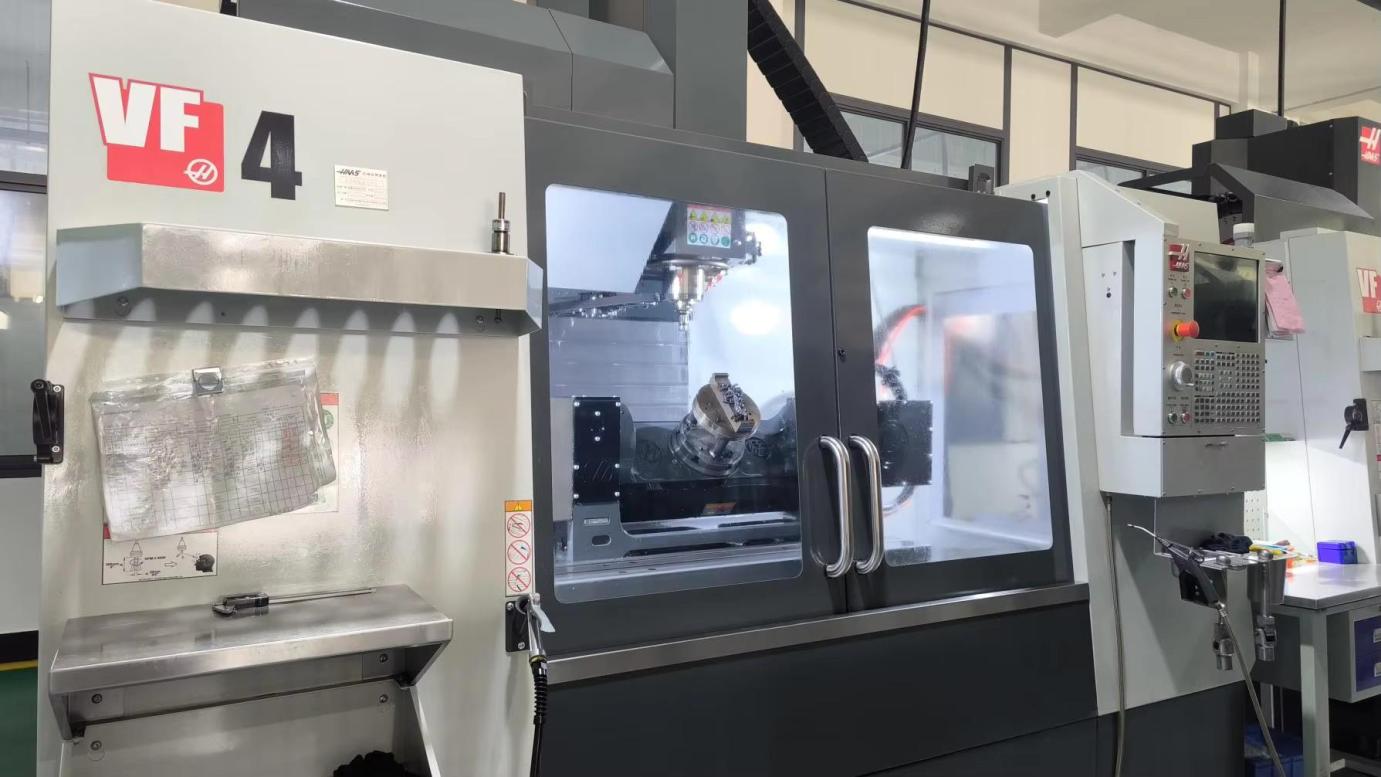
Zhejiang Horaizon Medical Device Co., Ltd. is a comprehensive biomedical company specializing in the development, manufacture, and global distribution of orthopedic medical devices. Our manufacturing facilities house advanced high-precision, large-scale production machinery and cleanroom packaging spaces. Through extensive investment in precision testing and CMM validation systems, we guarantee micrometric compliance across our entire implant and instrument portfolio.
Our operation is managed strictly in accordance with the ISO 9000 / ISO 13485 International Quality System Standard and the YY/T0287 Medical Device Quality System Standard. The engineers at Horaizon adhere to our core operational values: "precision, professional, innovative." We strive to generate sustainable clinical value, advancing global orthopedic treatment standards to improve patient mobility and quality of life.
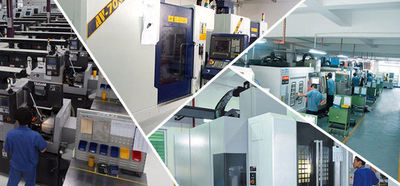

A visual tour of our production facility, showcasing step-by-step raw material processing, robotic printing, and 3D coordinate scanning.
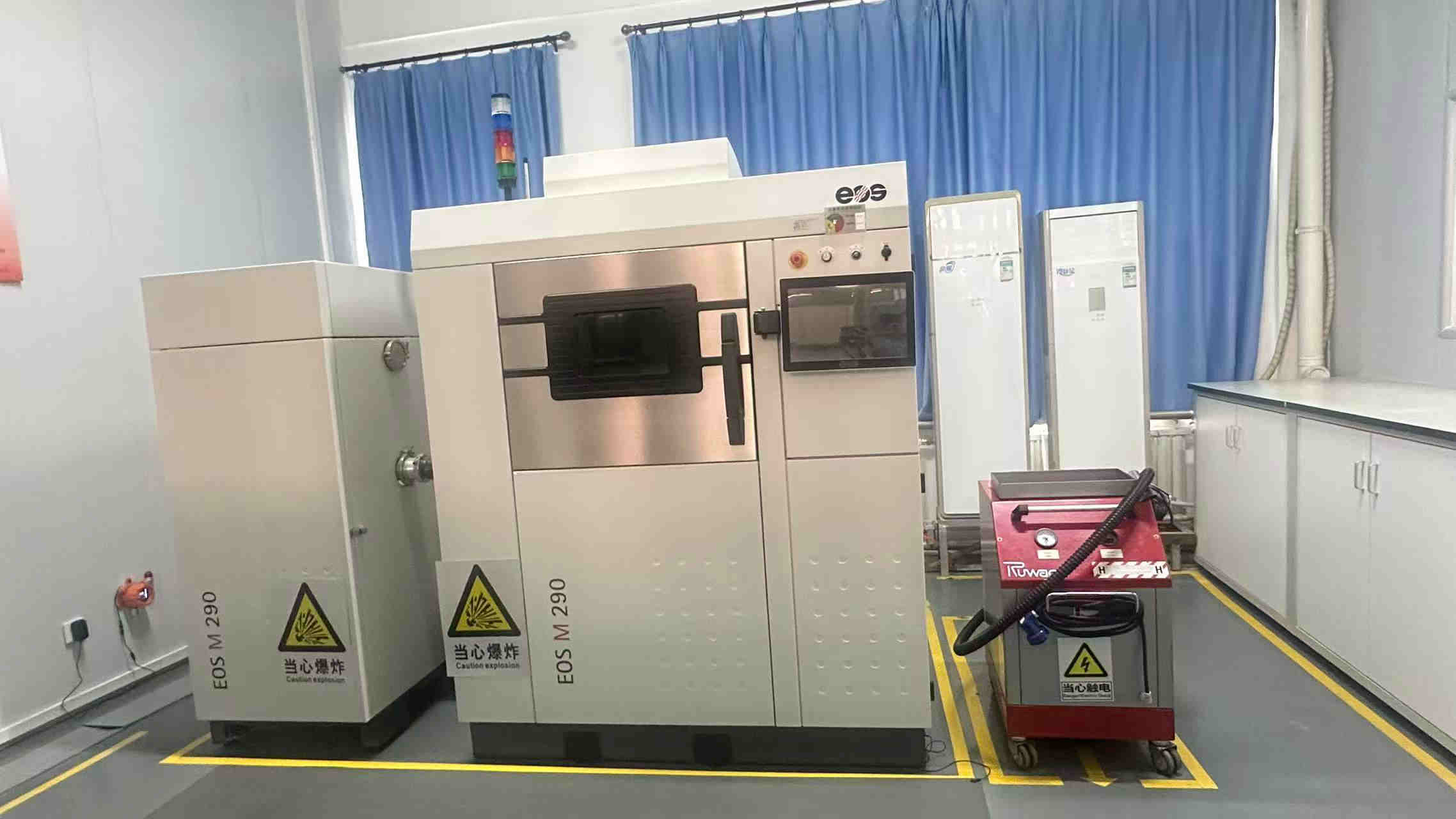
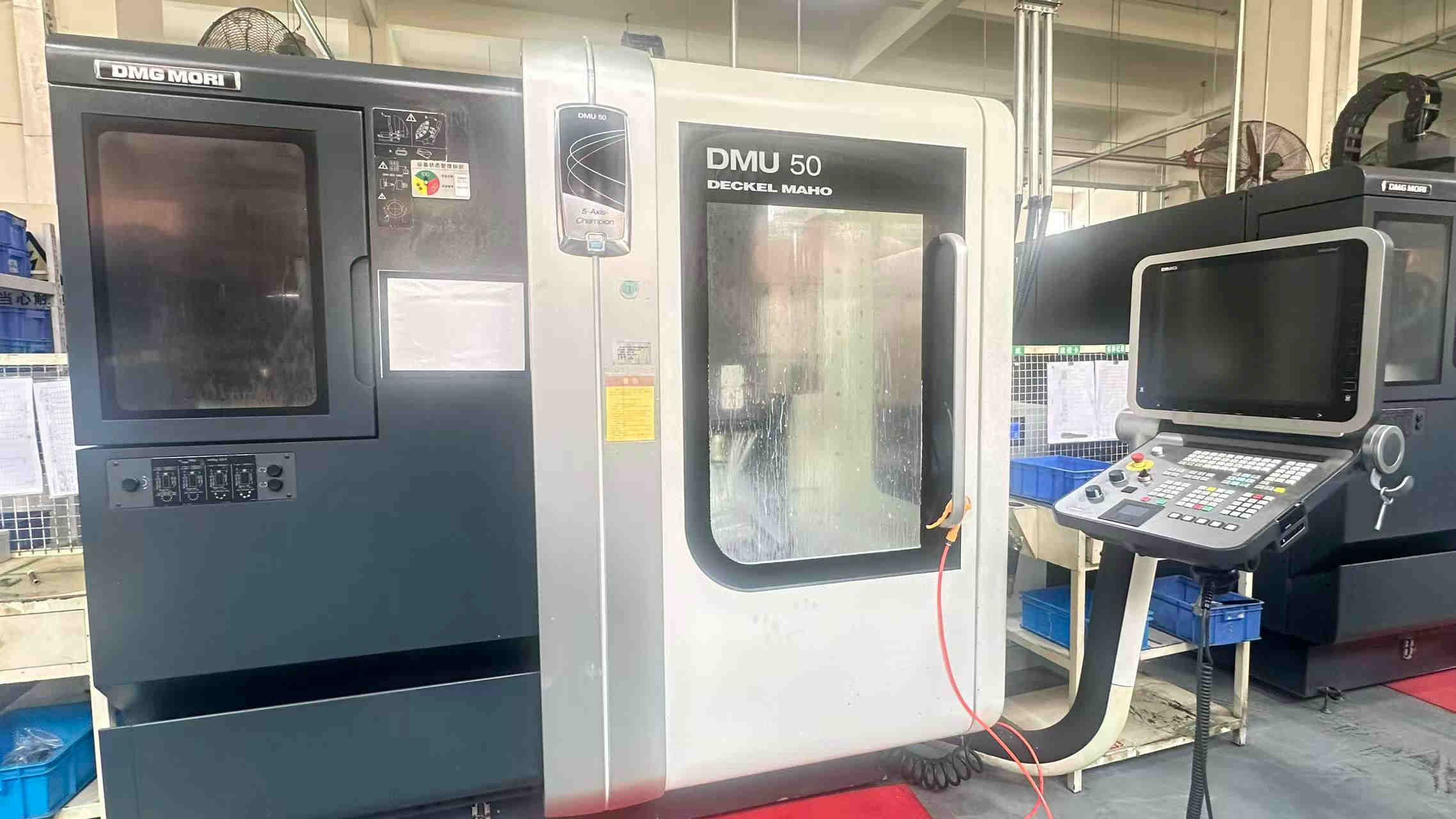
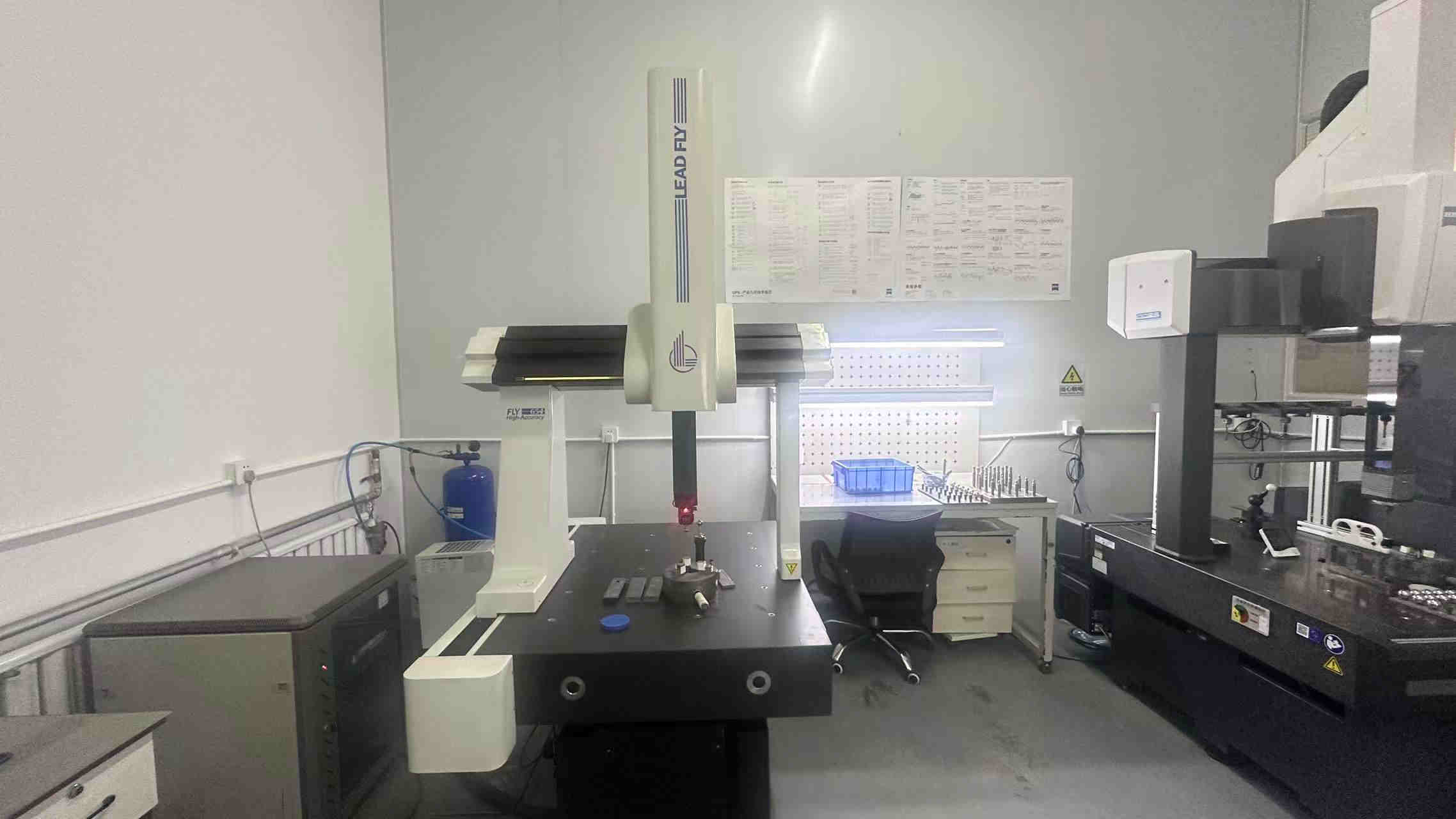
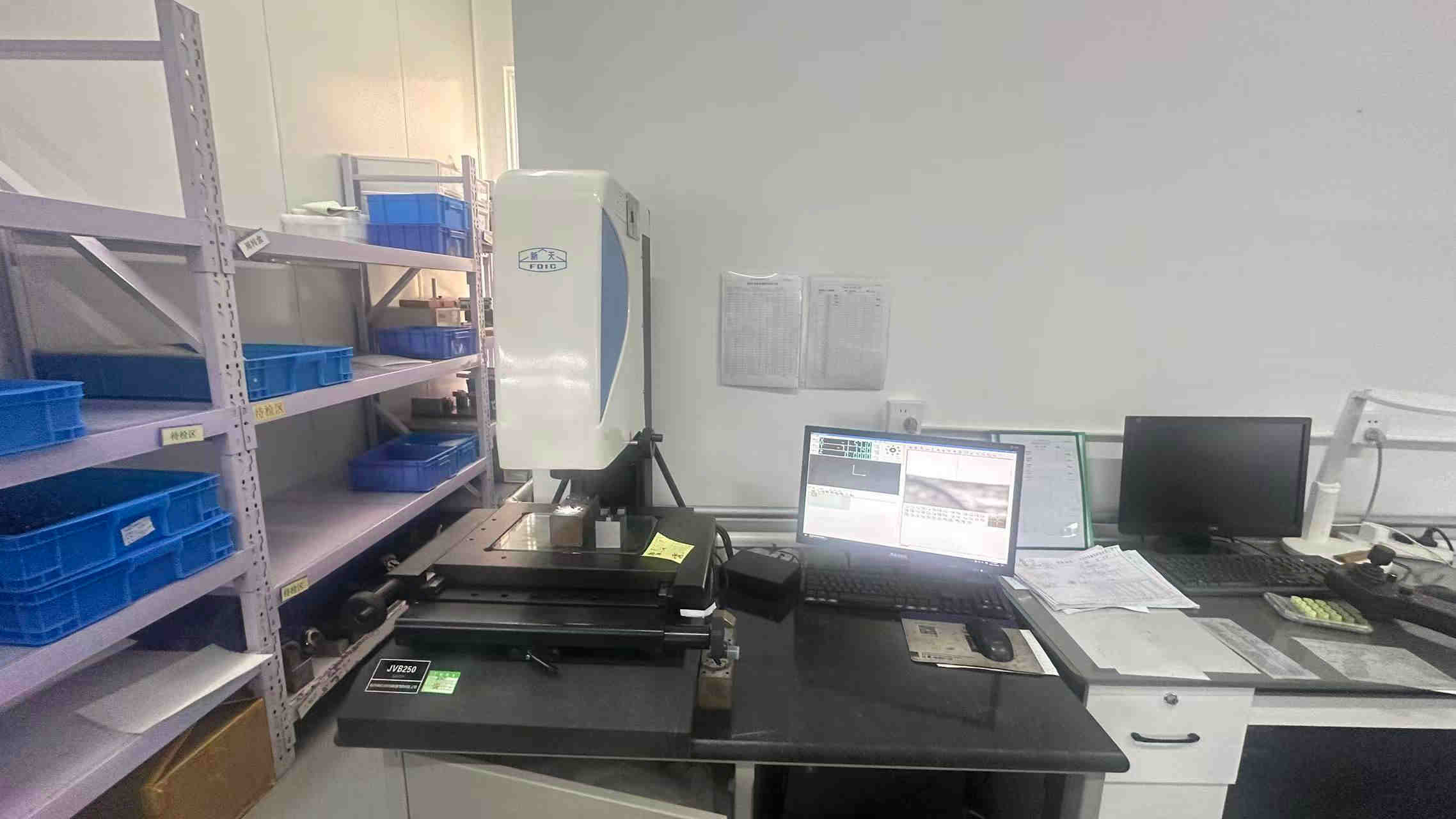
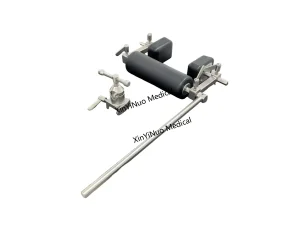
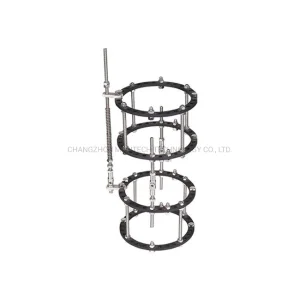
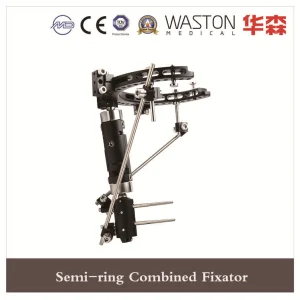
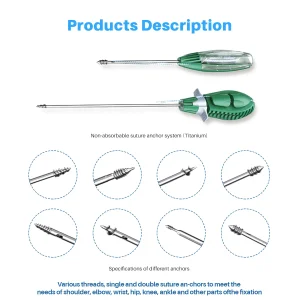
Extending clinical capabilities in Lisbon hospital theaters, trauma centers, and physical rehabilitation wards.
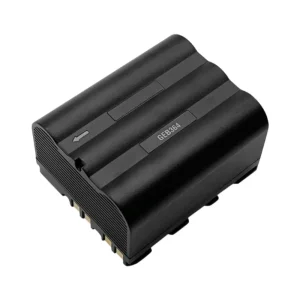
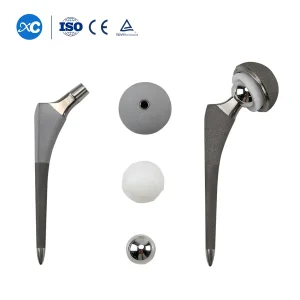
Supplementary clinical products ensuring full system availability and surgical execution safety.
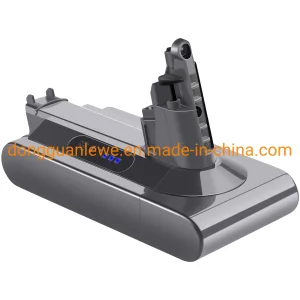
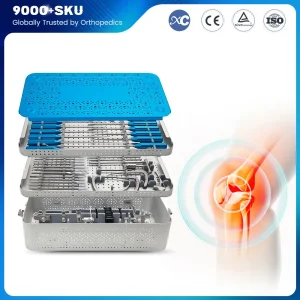
Zhejiang Horaizon supports hospitals across Lisbon with full compliance transparency under INFARMED guidelines.
Under the new regulatory structure of the EU, Class III medical devices—which include total joint prosthesis, femoral stems, and articular inserts—must undergo extensive Clinical Evaluation Reports (CER) and post-market surveillance. Our product documentation conforms entirely to safety regulations, streamlining procurement checks at Portuguese customs and ensuring local validation by INFARMED (Autoridade Nacional do Medicamento e Produtos de Saúde).
Our knee replacement systems are subjected to fatigue test simulations corresponding to over 10 million cycles under extreme load profiles (representing the dynamic stresses of running, ascending stairs, and rotating). Our high-grade Titanium and Cobalt-Chromium alloys exhibit high tensile strength, protecting against stress shielding and securing long-term bone growth (osteointegration).
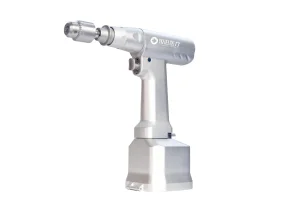
Clean cutting and dynamic rotation are key parameters during bone resection. The precision of our surgical drill kits and instrumentation guides prevents bone necrosis. Surgical power tools are tested for thermal output, ensuring bone temperatures remain below the critical cell-viability threshold during osteotomy procedures.
Key questions and answers regarding product material standards, regulatory alignment, and delivery logistics.
Connect with our technical engineers today to request samples, review ISO documentation, and secure pricing for Lisbon procurement operations.