Horaizon Orthopedic Implants Horaizon Orthopedic Implants

Linear External Fixators Manufacturer & Factories Serving Chittagong

Advanced Orthopedic Fixation Systems Engineered for Clinical Precision, Traumatic Care Resilience, and Global Compliance Benchmarks.

Send Inquiry Now

1. Chittagong Orthopedic Trauma Landscape & Clinical Demands

Chittagong (Chattogram), the chief commercial port city and industrial engine of Bangladesh, exhibits unique demographic and clinical challenges that elevate the local demand for advanced traumatology and orthopedic devices. As a pivotal hub characterized by dense industrial parks, extensive shipbuilding and shipbreaking yards, and high-velocity transport networks like the Dhaka-Chittagong Highway, the incidence of high-energy musculoskeletal trauma is disproportionately elevated. Occupational injuries in heavy metalworking, maritime loading, and textile manufacturing, combined with vehicular traffic accidents, result in complex compound fractures, pelvic disruptions, and severe segmental bone defects.

Clinical institutions within the region, notably the Chittagong Medical College Hospital (CMCH) and private specialized orthopedic centers, are routinely confronted with contaminated open fractures (Gustilo-Anderson Grade II, IIIA, and IIIB). In these acute settings, primary internal fixation (such as intramedullary nailing or plating) is often contraindicated due to the extreme risk of deep tissue infection, osteomyelitis, and compromised soft-tissue envelopes. Consequently, linear external fixators emerge as the critical first-line intervention. They allow rapid, minimally invasive skeletal stabilization, enabling immediate access for wound debridement, negative pressure wound therapy (NPWT), and subsequent microvascular reconstruction.

In addition, the socioeconomic profile of Bangladesh demands that clinical devices display not only superior biomechanical performance but also cost-efficiency and adaptability. Reusable external clamping systems and disposable, high-tensile pins (Schanz pins) manufactured under rigorous standards allow hospitals in Chittagong to maintain elevated clinical standards while managing operational overhead constraints. By bridging the gap between high-precision Chinese medical manufacturing and local surgical workflows, we provide Chittagong's surgical community with reliable instruments to combat complex extremity trauma.

Clinical Focus: Rapid application of external frames in the emergent phase stabilizes bone fragments, reduces painful spasms, controls localized bleeding, and safeguards soft-tissue vascularity. For Chittagong's industrial workforce, prompt fixation translates directly to reduced long-term morbidity and accelerated return-to-work timelines.

2. Biomechanical Foundations of Linear External Fixation

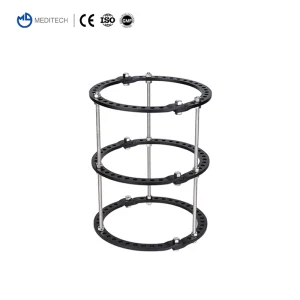
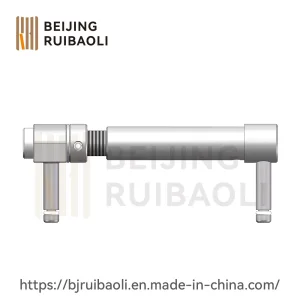
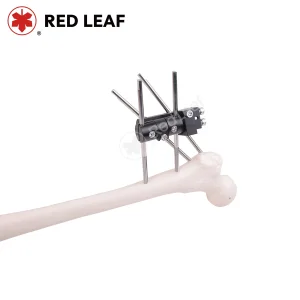
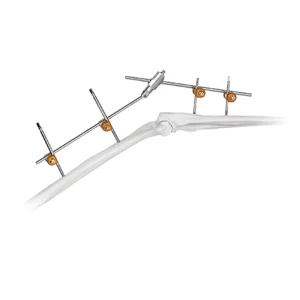
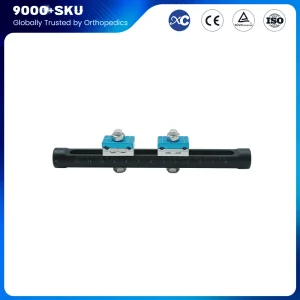
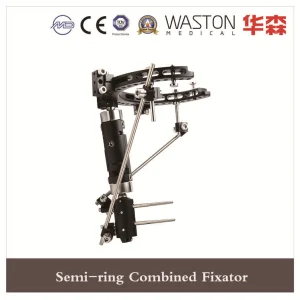
The primary therapeutic objective of a linear external fixator is to maintain stable bone alignment while facilitating the biological cascade of secondary bone healing. Unlike internal plates, which act as load-bearing or load-sharing splints directly on the bone surface, the linear external frame is a load-bypass construct. The structural configuration consists of percutaneous Schanz screws, modular connecting rods, and pin-to-rod clamping joints. The mechanical properties of this assembly determine the axial, torsional, and bending stiffness of the construct.

Ti-6Al-4V
Biocompatible Alloy
100%
CMM Dimensional Calibration
>1350 MPa
Tensile Yield Strength
ISO 13485
System Certified

Several key variables modulate the mechanical behavior of the construct, directly influencing callogenesis (callus formation):

  • Pin Diameter and Core Thickness: Resistance to bending is proportional to the fourth power of the pin diameter. Small increases in pin diameter significantly enhance frame stability.
  • Rod-to-Bone Distance: Positioning the longitudinal connecting rod closer to the skeletal axis decreases the bending moment arm, dramatically increasing constructive stiffness.
  • Multi-planar & Unilateral Configurations: Unilateral linear frames offer ease of application and satisfy most long bone stabilization requirements, while multi-planar configurations address high-torque rotations in distal extremities.
  • Schanz Pin Placement Density: Optimal spatial distribution—positioning pins near the fracture line (without compromising bone integrity) while spacing secondary pins widely apart—maximizes resistance against shear forces.

Modern linear constructs integrate lightweight, radiolucent carbon fiber rods with medical-grade titanium alloy components. Titanium alloy (Ti-6Al-4V ELI) has a modulus of elasticity closer to cortical bone than stainless steel, reducing stress shielding and optimizing biological micromotion at the fracture site to accelerate secondary bone remodeling.

3. Supply Chain Resilience & Efficient Logistics to Chittagong

Developing reliable pathways for orthopedic implants from Chinese production lines to Bangladeshi trauma wards requires robust logistics and strict adherence to international regulatory standards. Our logistics framework ensures direct, temperature-stable, and traceable delivery channels to Chittagong.

The supply chain utilizes multi-modal transport configurations to meet the urgent needs of the region:

  • Maritime Routing (Ningbo/Shanghai to Port of Chittagong): Ideal for high-volume contract fulfillment, stocking bulk distributors, and regional inventory reserves. Bulk shipments leverage optimized marine cargo, ensuring competitive unit costs.
  • Express Air Freight (Ningbo/Hangzhou to Shah Amanat International Airport, CGP): Critical for custom-engineered implants, patient-specific orthopedic components, or specialized pediatric fixator models (e.g., specific Ilizarov components).
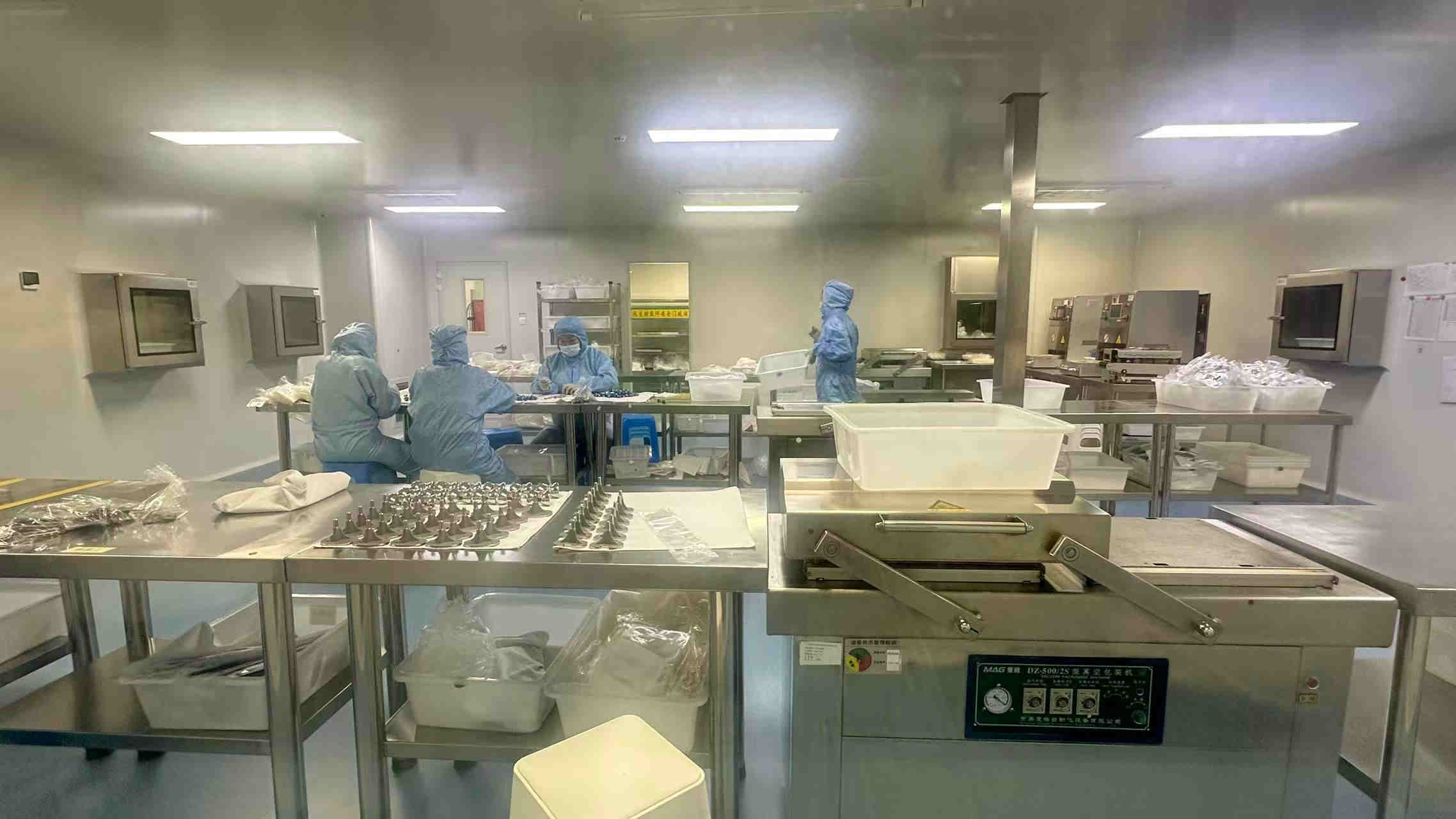
  • Cold-Chain & Protective Packaging: To prevent surface degradation, corrosion, or contamination during transit through high-humidity marine zones, products are packaged in cleanroom-sealed, medical-grade double-layered sterilization bags with moisture desiccants.

Additionally, all medical device shipments comply with the Directorate General of Drug Administration (DGDA) of Bangladesh guidelines. We provide a complete documentation package, including Certificates of Analysis (CoA), material mill certificates, ISO 13485 alignment validation, and CE certification dossiers. This comprehensive documentation facilitates swift customs clearance, minimizing delivery delays to local healthcare providers.

Horaizon Medical Advanced Manufacturing Center

Under strict ISO 9000, ISO 13485, and YY/T0287 quality standards, we engineer precision orthopedic solutions for clinical environments worldwide.

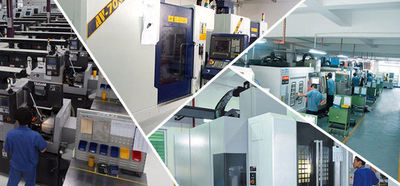
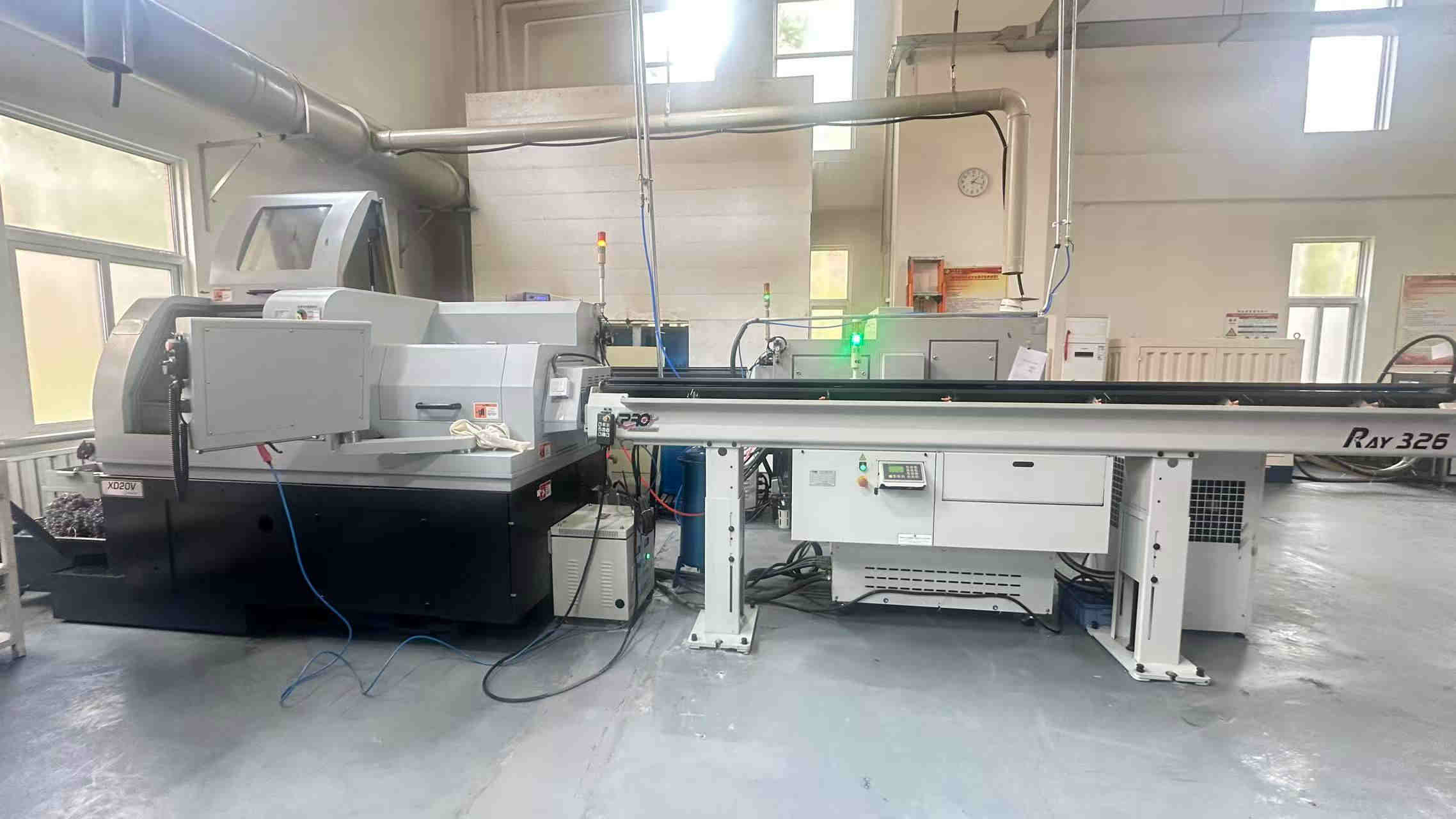
Zhejiang Horaizon Medical Device Co., Ltd. is an integrated developer, manufacturer, and distributor of orthopedic medical devices. Our manufacturing facility features high-precision, large-scale production machinery and a comprehensive suite of testing instruments.

Supported by a dedicated technical development team, our operations align with the ISO 9000/ISO 13485 International Quality System Standards and the YY/T0287 Medical Device Quality System Standard. We are committed to developing stable, advanced product technologies with streamlined, user-friendly clinical functionality.

The team at Horaizon operates on the core principles of "precision, professionalism, and innovation." We strive to deliver social value and advance human health through high-quality products and responsive client support.
Zhejiang Horaizon Medical Device Headquarters

Manufacturing Operations & Quality Control Workflow

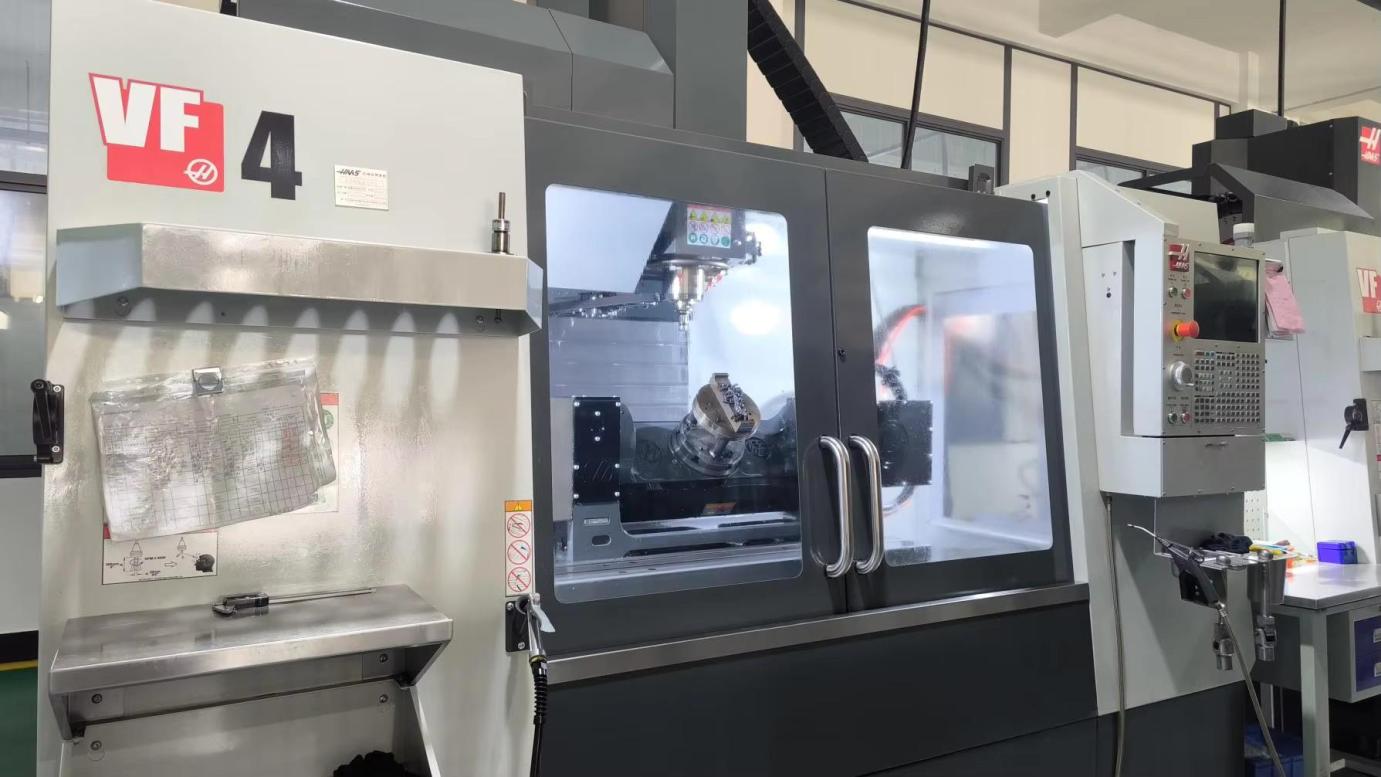
Rough Machining of External Fixators
Rough Machining
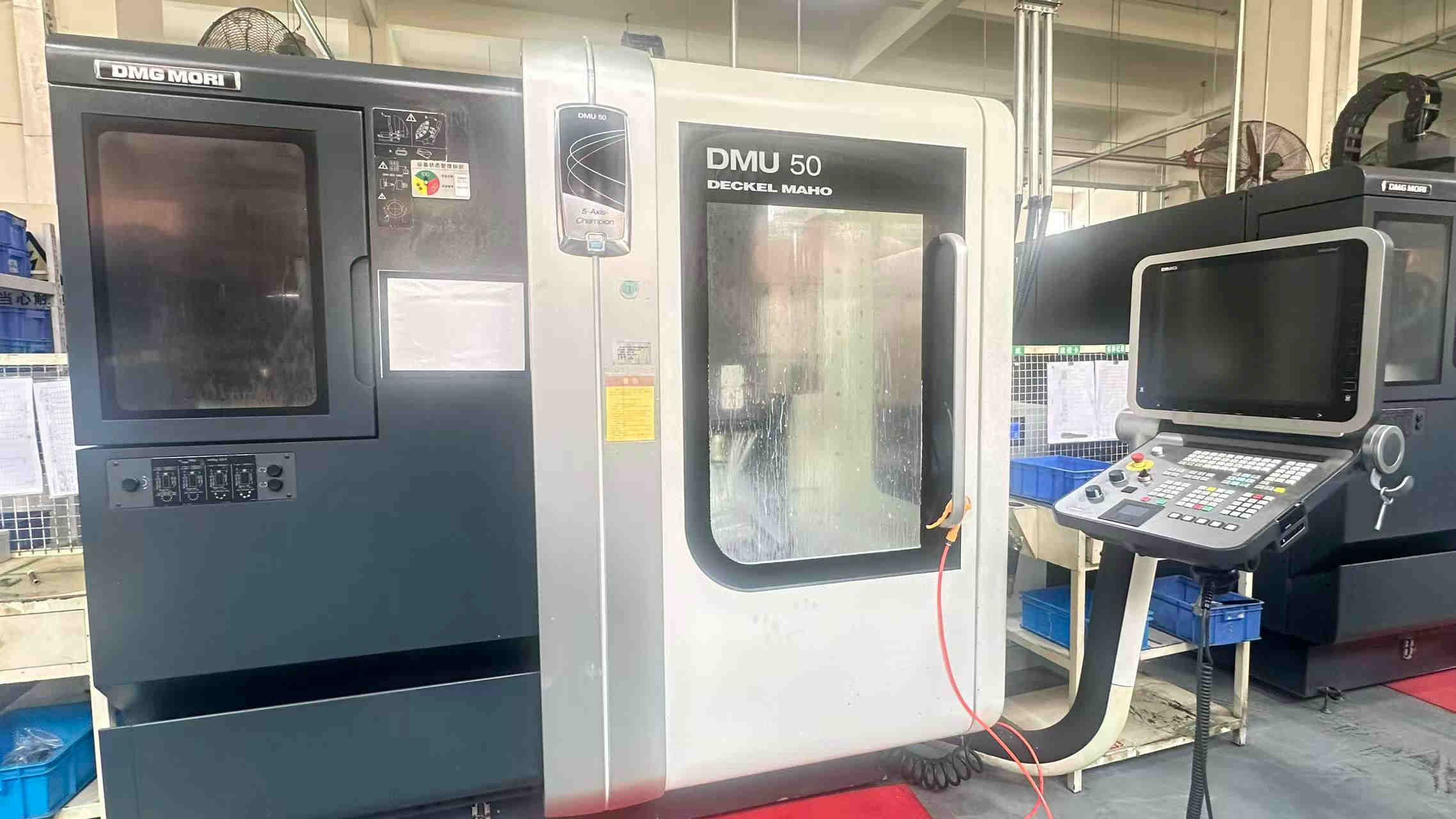
Finish Machining of Fixator Components
Finish Machining
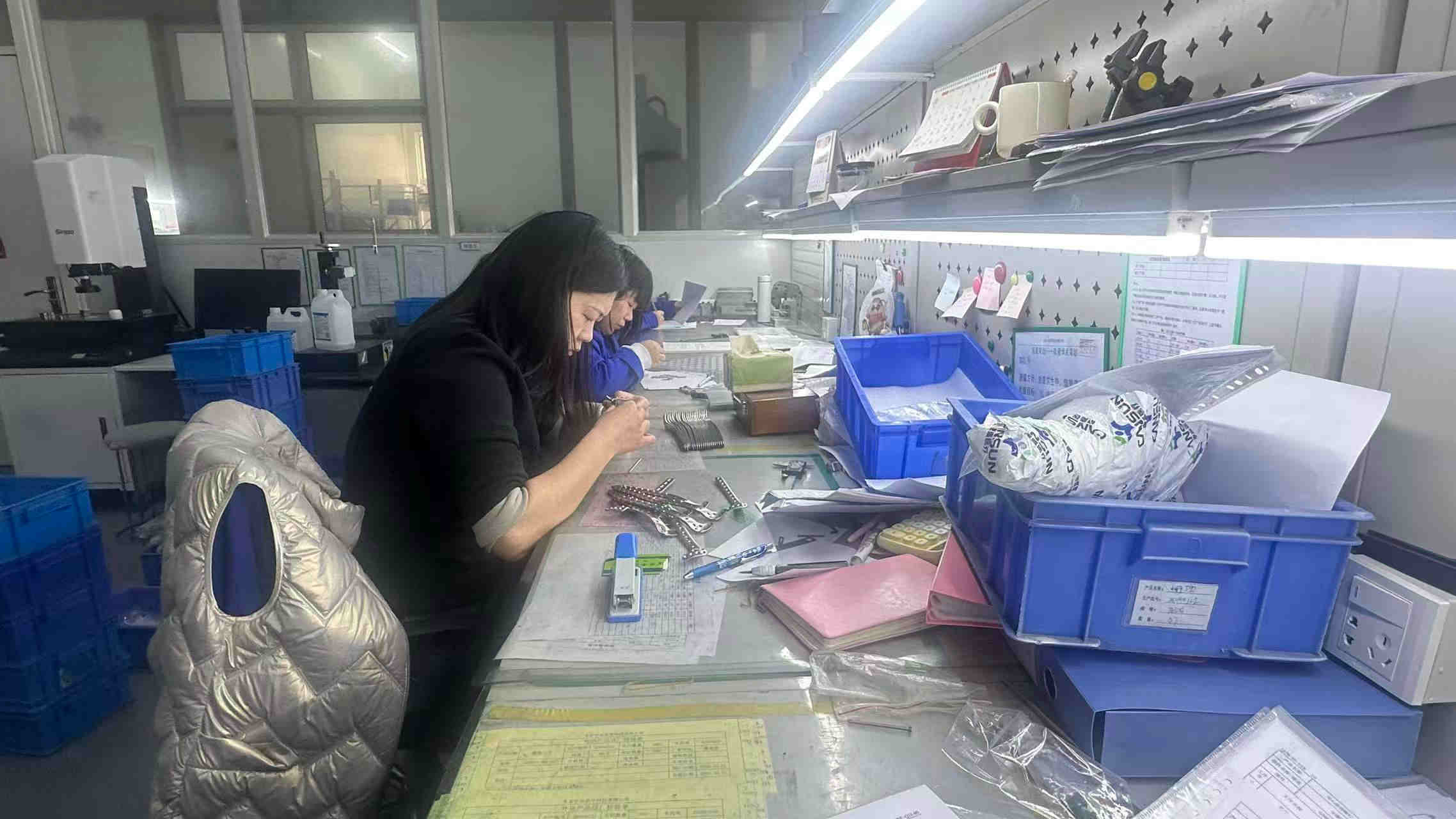
Quality Inspection Stage
Inspection
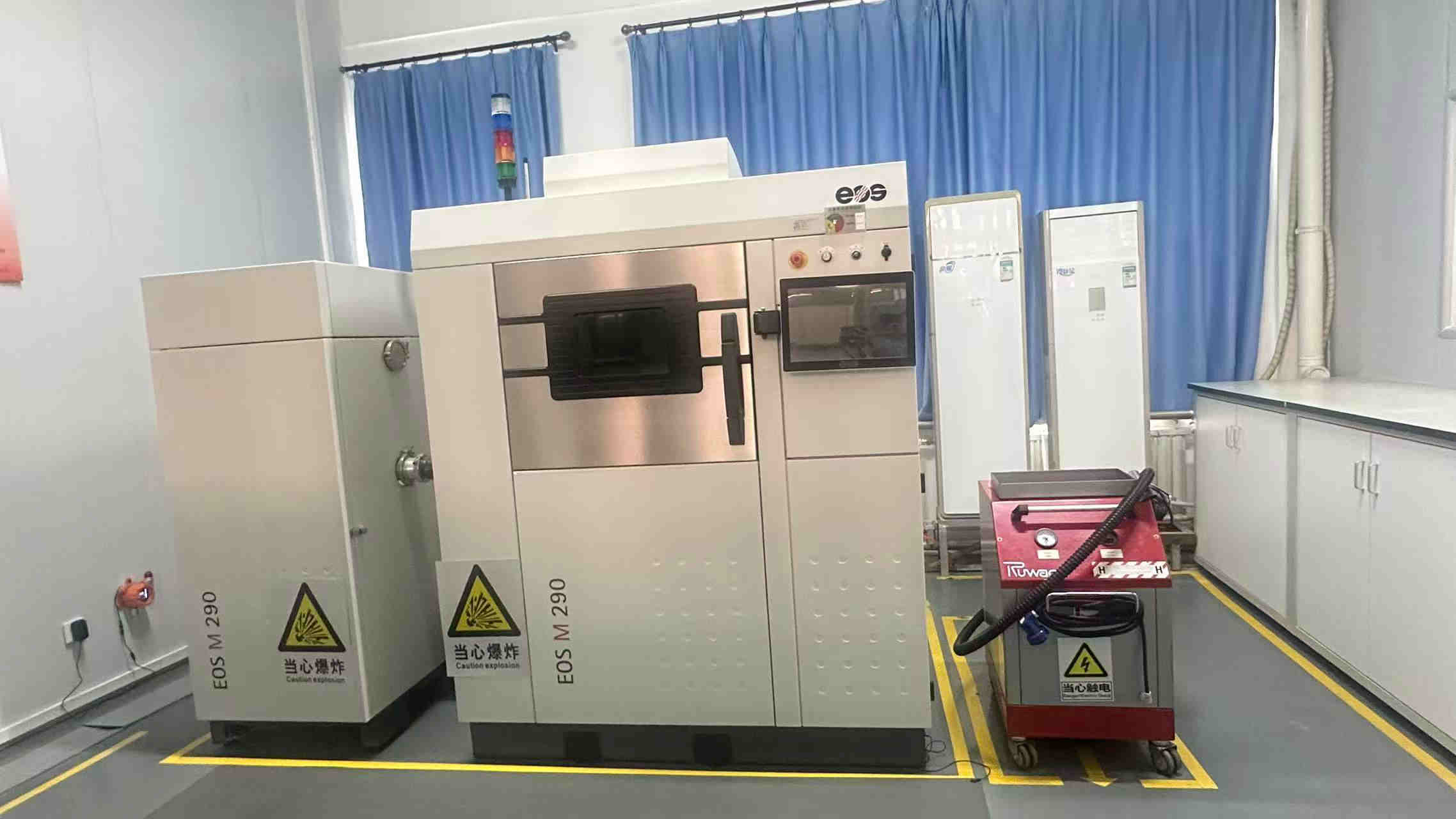
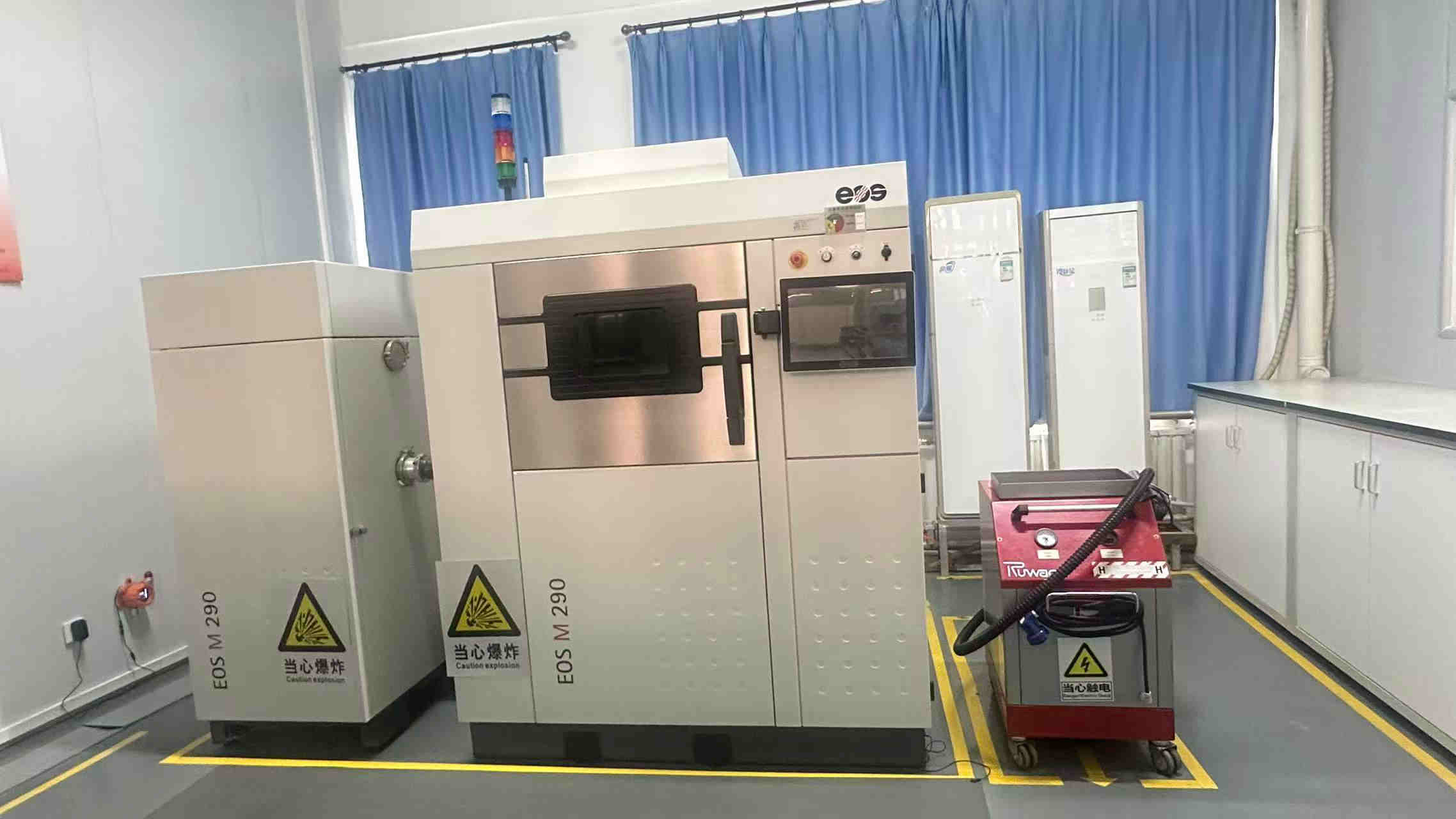
3D Printing Prototyping
3D Printing
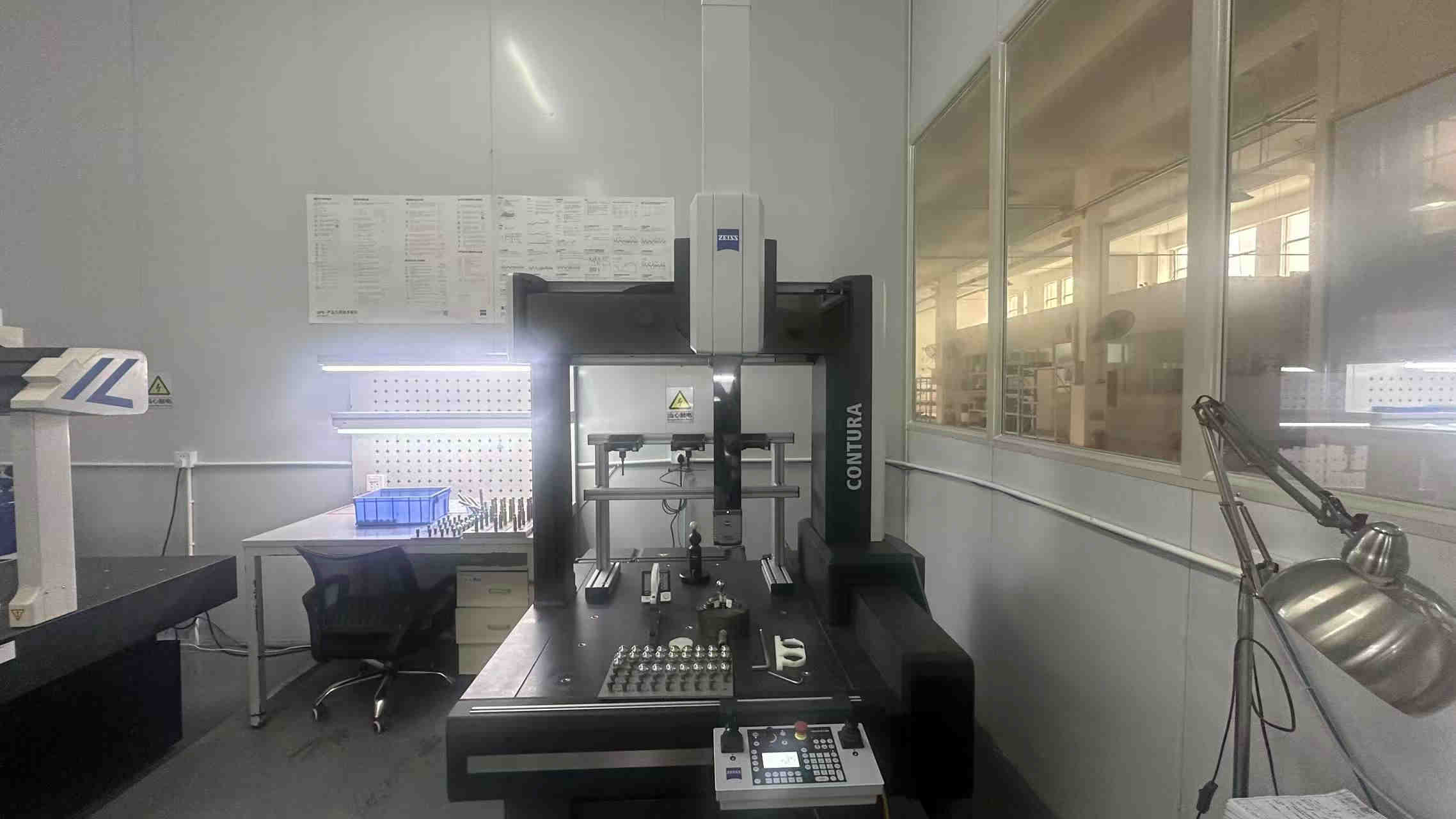
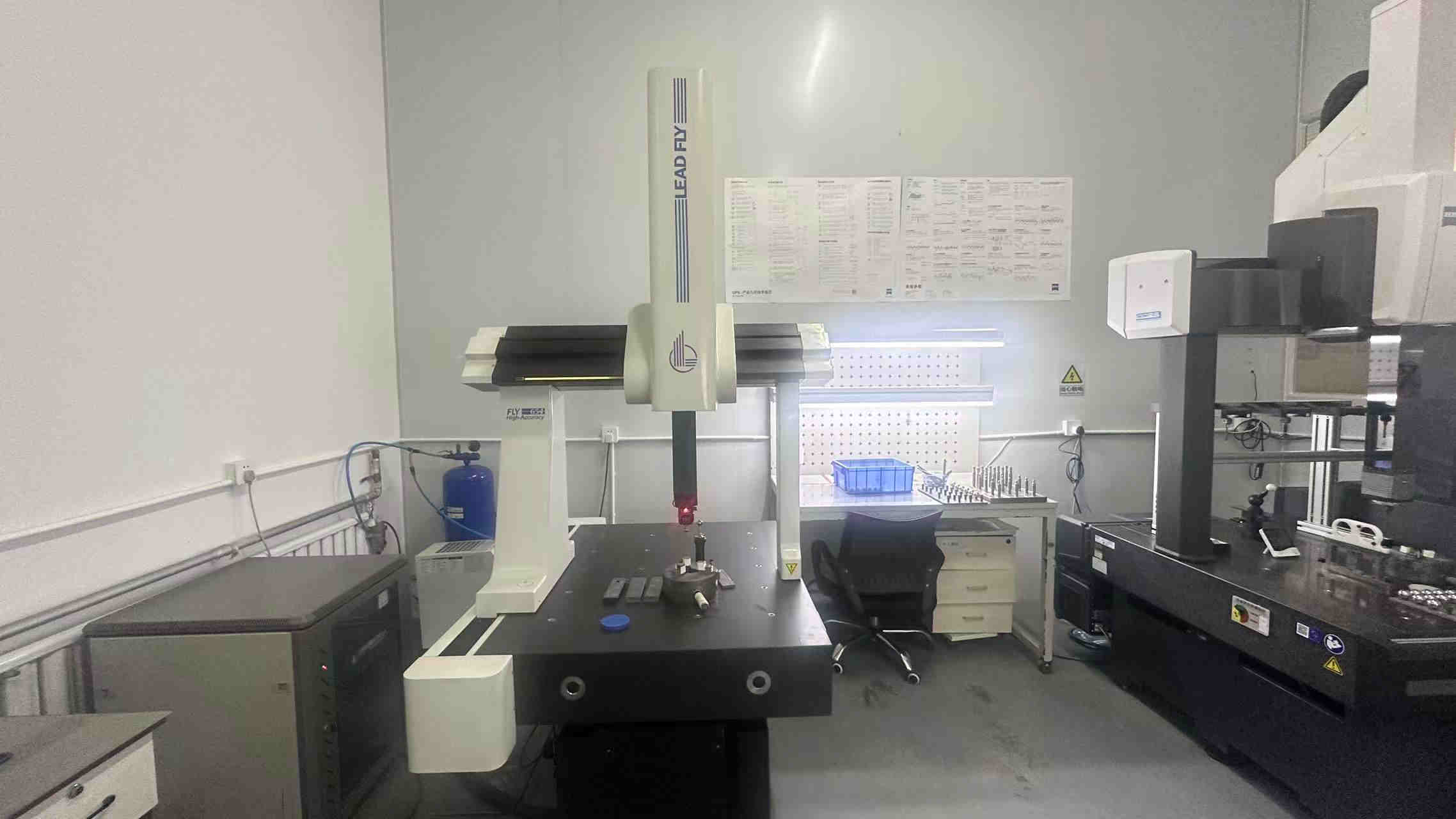
Three Coordinate Detection Testing
Three Coordinate Detection
Cleanroom Packaging
Packing
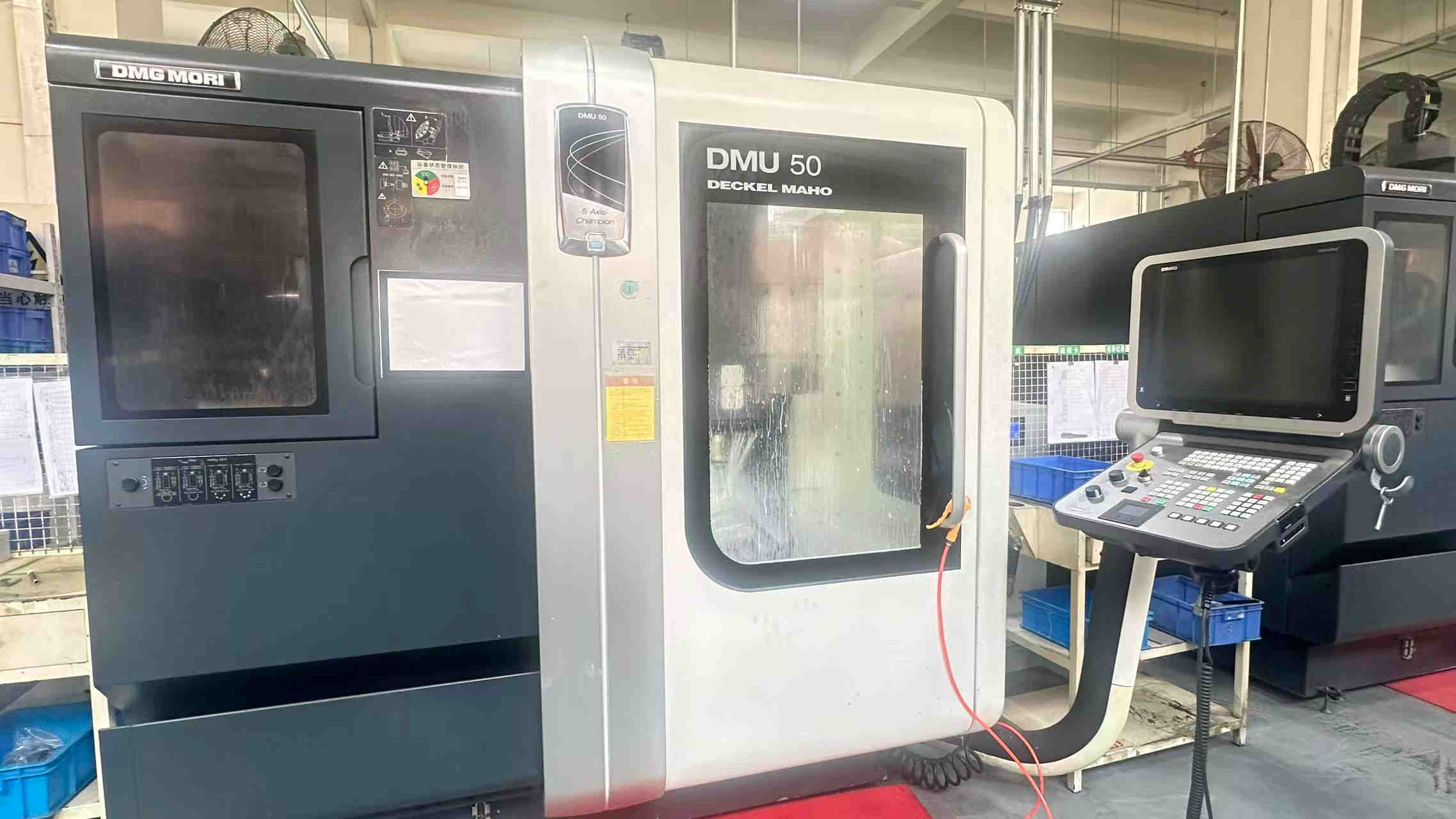
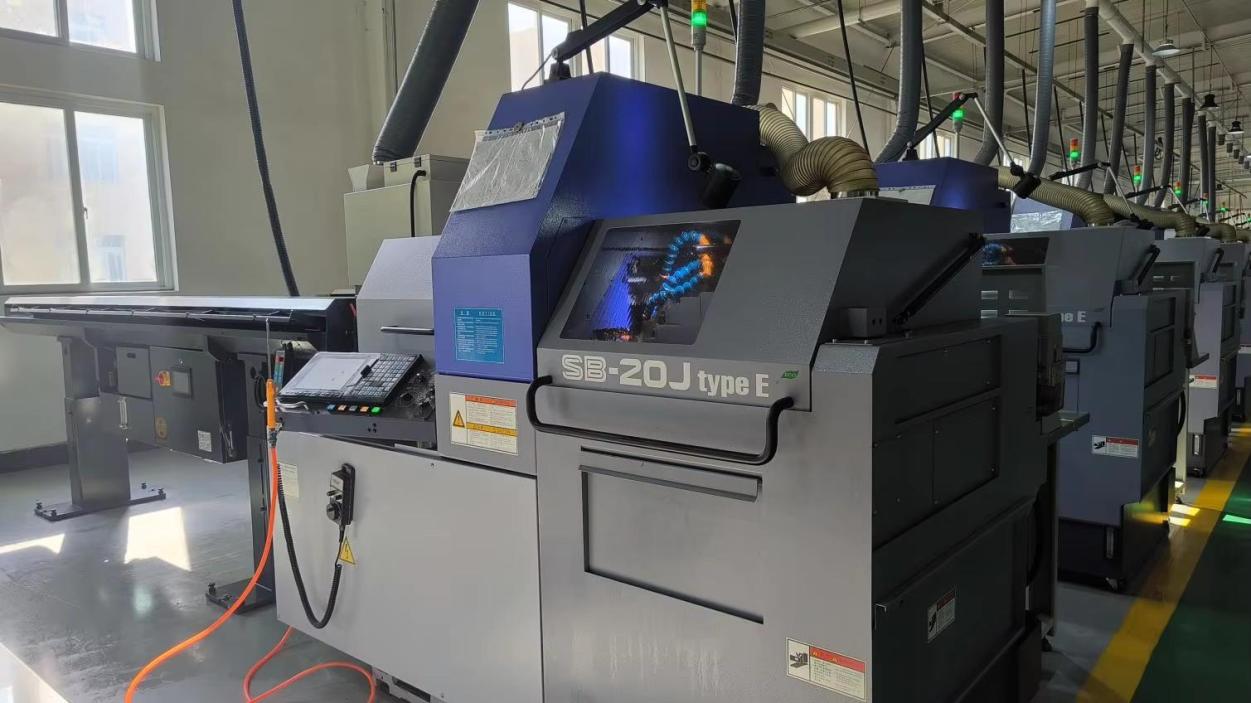
Turning Center Lathes
Turning Center
Precision Machining Center
Machining Center
3D Metal Printer for custom implants
3D Metal Printer
CNC Lathe processing
CNC Lathe
CMM Metrology Testing
CMM & Image Analyzer Testing
Horaizon Production Base Image

4. Tech Roadmap: The Future of External Fixation in Low- & Middle-Income Countries

The development roadmap for external fixator designs focuses on improving clinical ergonomics, radio-transparency, and digitization. In emergent trauma centers across Chittagong, simplifying device assembly is critical. The design evolution includes three primary phases:

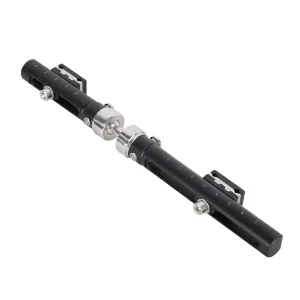
  1. Transition to Carbon-Fiber Composite Rods: Traditional stainless-steel rods are heavy and block intraoperative fluoroscopy (X-ray monitoring). Carbon fiber composite alternatives feature absolute radiolucency. This allows surgeons to verify bone reduction in multiple planes without interference from metal shadows, reducing patient exposure to radiation.
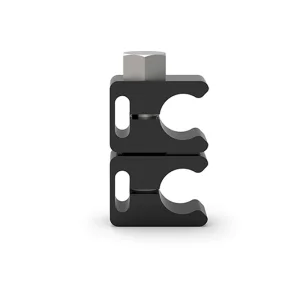
  2. Modular Snap-On Clamping Systems: Standard constructs require tightening nuts with dedicated wrenches, which increases surgery duration. Next-generation fixators utilize quick-connect, snap-on joints. These joints allow surgeons to position the pin-to-rod connection before final tightening, accelerating stabilization in polytrauma patients.
  3. Integration of Smart Sensor Technology: The research pipeline includes strain-gauge sensors embedded directly into the longitudinal rods. These sensors monitor real-time weight-bearing forces and changes in frame stiffness. The resulting data helps track progress through the stages of osteogenesis, providing quantitative metrics to determine when a patient is ready for construct removal.

Comprehensive Trauma Catalogue

Full inventory of orthopedic stabilization devices, specialized joints, and regional fixation frameworks for clinical distribution.
5. Quality Validation Protocols & Regulatory Compliance

For surgical implants used inside the human body, quality control processes require precise validation. Our manufacturing workflows implement strict check gates at every stage of production:

  • Chemical and Metallurgical Verification: Raw titanium and stainless steel undergo spectrometer testing to verify material composition, grain size consistency, and structural integrity.
  • Dimensional Precision Control: We utilize CNC lathes and Coord3 coordinate-measuring machines (CMM) to maintain dimensional accuracy within tolerances of ±5 microns. This precision ensures that components connect securely during emergency surgeries.
  • Surface Passivation Treatments: External fixator elements undergo acid pickling and anodization. This process removes trace impurities and deposits a biocompatible oxide layer, enhancing corrosion resistance and reducing bacterial adhesion.
  • Mechanical Deflection and Torque Tests: Components are sample-tested for fatigue under cyclical loading. This process simulates the stresses of patient weight-bearing activity to verify frame durability and guard against structural failures.

Every shipment is accompanied by a comprehensive traceability packet, linking the raw material batch to the final sterile product. This complete traceability supports hospital-level audits and clinical records management.

Clinical & Commercial FAQ (Q&A)

Technical answers supporting orthopedic surgeons, medical purchasing officers, and regional distributors.
Q How do linear external fixators balance the mechanical requirements of stability with the biological needs of bone healing?
Linear external fixators manage this balance through load-sharing dynamics. While rigid constructs protect the fracture site from displacement under high bending or torsional forces, absolute rigidity can cause stress shielding and delay healing. By adjusting the distance from the bone to the rod or modifying pin placement, surgeons can introduce controlled axial micromotion. This micro-motion stimulates the formation of a periosteal callus, encouraging secondary bone healing.
Q What material options are available for the components, and how do they impact imaging?
We manufacture rods in medical-grade stainless steel (316L), titanium alloy (Ti-6Al-4V), and carbon fiber composites. Stainless steel components offer cost-efficient strength but create artifacts under CT/MRI scans and block X-rays. Carbon fiber rods are radiolucent, allowing clear visualization of bone alignment on X-rays without interference. Titanium clamps provide a middle ground, offering low-magnetic signatures, biocompatibility, and reduced interference compared to steel.
Q What is the standard procedure for import clearance through the DGDA in Bangladesh?
Importing medical devices into Bangladesh requires registration with the Directorate General of Drug Administration (DGDA). We provide the necessary documentation to support local distributors, including Free Sale Certificates (FSC) from the country of origin, ISO 13485 quality credentials, CE certification documentation, and detailed material testing reports. This complete documentation package helps streamline review processes at the Port of Chittagong.
Q How do these external fixators prevent pin-tract infections in humid climates like Chittagong?
Pin-tract infection is a common concern in external fixation, particularly in warm, humid regions. Our Schanz pins feature highly polished threads and smooth outer surfaces to minimize soft-tissue irritation and bacterial colonization. We recommend following standard clinical pin-care protocols, which include regular cleaning, avoiding soft-tissue tension at the pin site, and using stable, rigid frames to prevent movement-induced skin irritation.
Q Can components from different manufacturing runs be combined, and do you offer customization?
Yes, our components are machined to standard metric specifications, ensuring compatibility across different manufacturing runs. We offer OEM/ODM customization for specific clinical needs, adjusting pin lengths, clamp designs, or rod dimensions. Customized orders undergo structural analysis and testing to verify they meet ISO standards before production.