Horaizon Orthopedic Implants
Horaizon Orthopedic Implants
Horaizon Orthopedic Implants
Ensuring biological integration, anatomical fit, and high-durability surface coatings according to strict clinical and structural standards.
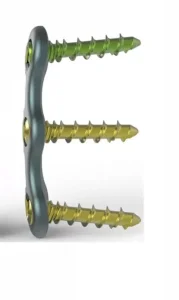
Within the Queensland healthcare framework, Brisbane serves as a primary hub for advanced spinal, neurosurgical, and orthopedic reconstructive procedures. Renowned facilities like the Royal Brisbane and Women's Hospital (RBWH), Princess Alexandra Hospital (PAH), and private institutions such as the Greenslopes Private Hospital generate a continuous demand for advanced implants. Among these, the Anterior Cervical Discectomy and Fusion (ACDF) stands out as a core procedure requiring implant systems with exceptional fatigue life, optimal biocompatibility, and secure locking mechanisms.
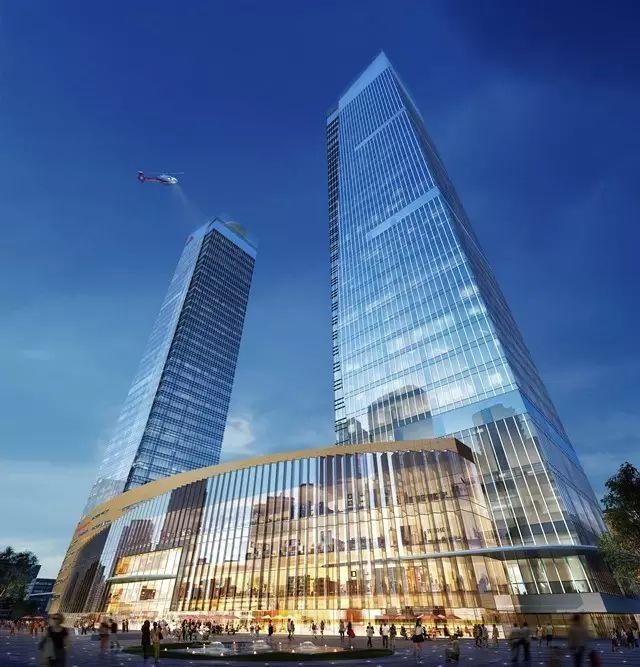
Furthermore, Queensland’s expanding infrastructure drives a secondary need for industrial-grade zinc, PVD, and galvanic plating systems. Whether providing medical-grade titanium (Ti-6Al-4V ELI) plates for spinal fixation or engineering highly durable protective coatings for Brisbane's civil construction projects, manufacturers must navigate strict quality systems. Implants require compliance with the Therapeutic Goods Administration (TGA) standards, whereas industrial and structural plating must meet Australian AS/NZS standards to handle coastal environmental demands.
The global orthopedic implant market is moving toward lower-profile, dynamic cervical plating systems that allow micro-motion and physiological load-sharing, which helps prevent stress shielding and accelerated adjacent segment disease (ASD). The challenge for hospital procurers in Brisbane lies in balancing high surgical performance with cost efficiency. Importing directly from specialized, accredited medical device manufacturers in China addresses this challenge, offering up to a 40% reduction in procurement costs without compromising clinical safety or quality standards.
Similarly, for industrial and agricultural infrastructure in outer Brisbane and South-East Queensland, sourcing components with durable plating—such as Mg-Al-Zn coatings and PVD surface modifications—helps protect structures from the region's humid, subtropical climate. This double-layer demand underlines the importance of sourcing from versatile manufacturing hubs capable of handling both high-precision medical-grade metal forming and heavy-duty structural plating treatments.
At Zhejiang Horaizon Medical Device Co., Ltd., our engineering roadmap focuses on translating clinical feedback from spine surgeons into production innovations. The design of anterior cervical plates is evolving from static, rigid construct styles to hyper-dynamic, adaptive systems that accommodate natural post-operative graft settling while retaining optimal sagittal alignment. Below are the key technological pathways shaping our production lines:
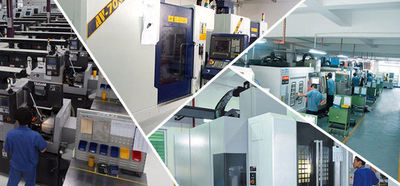
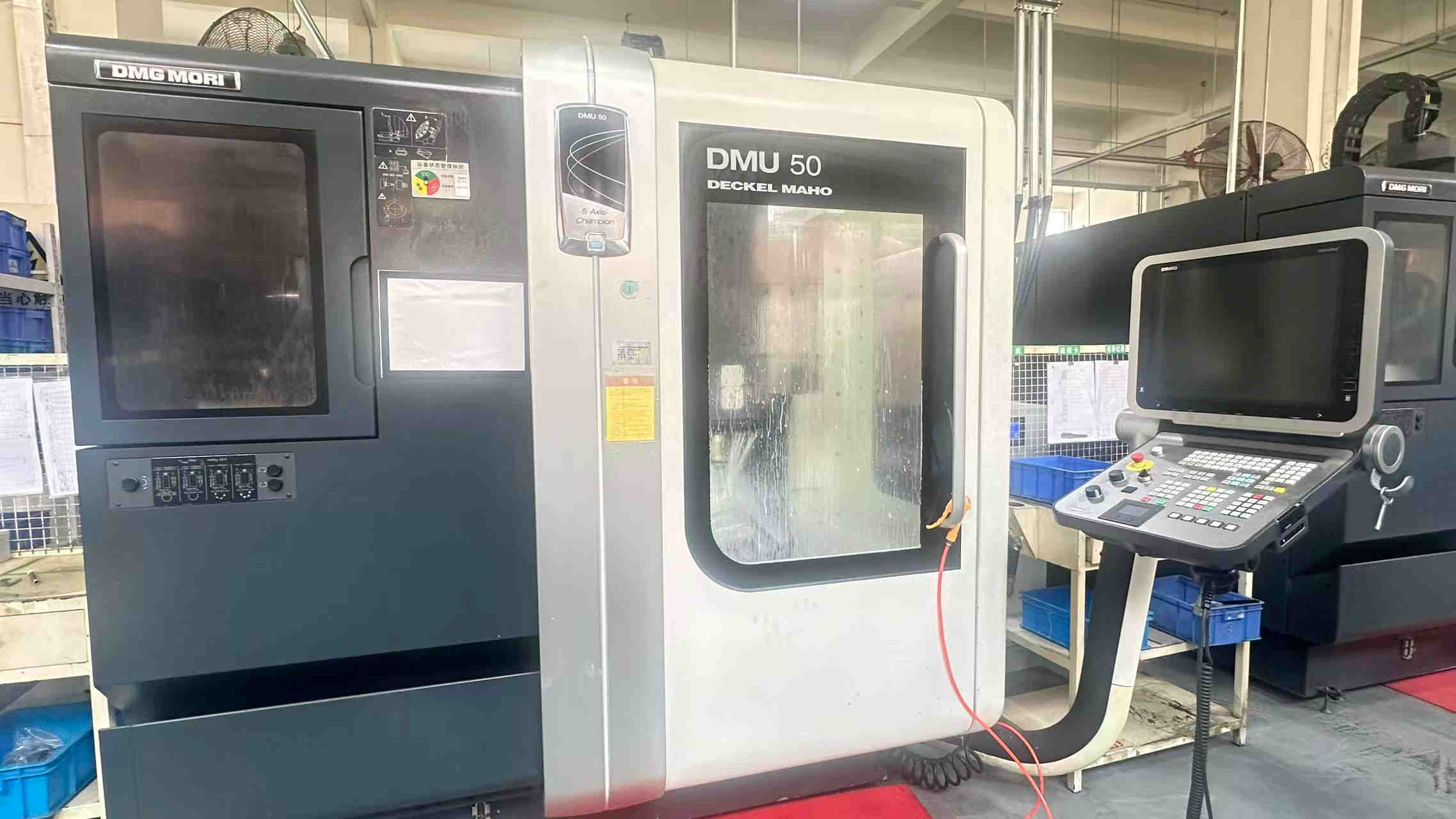
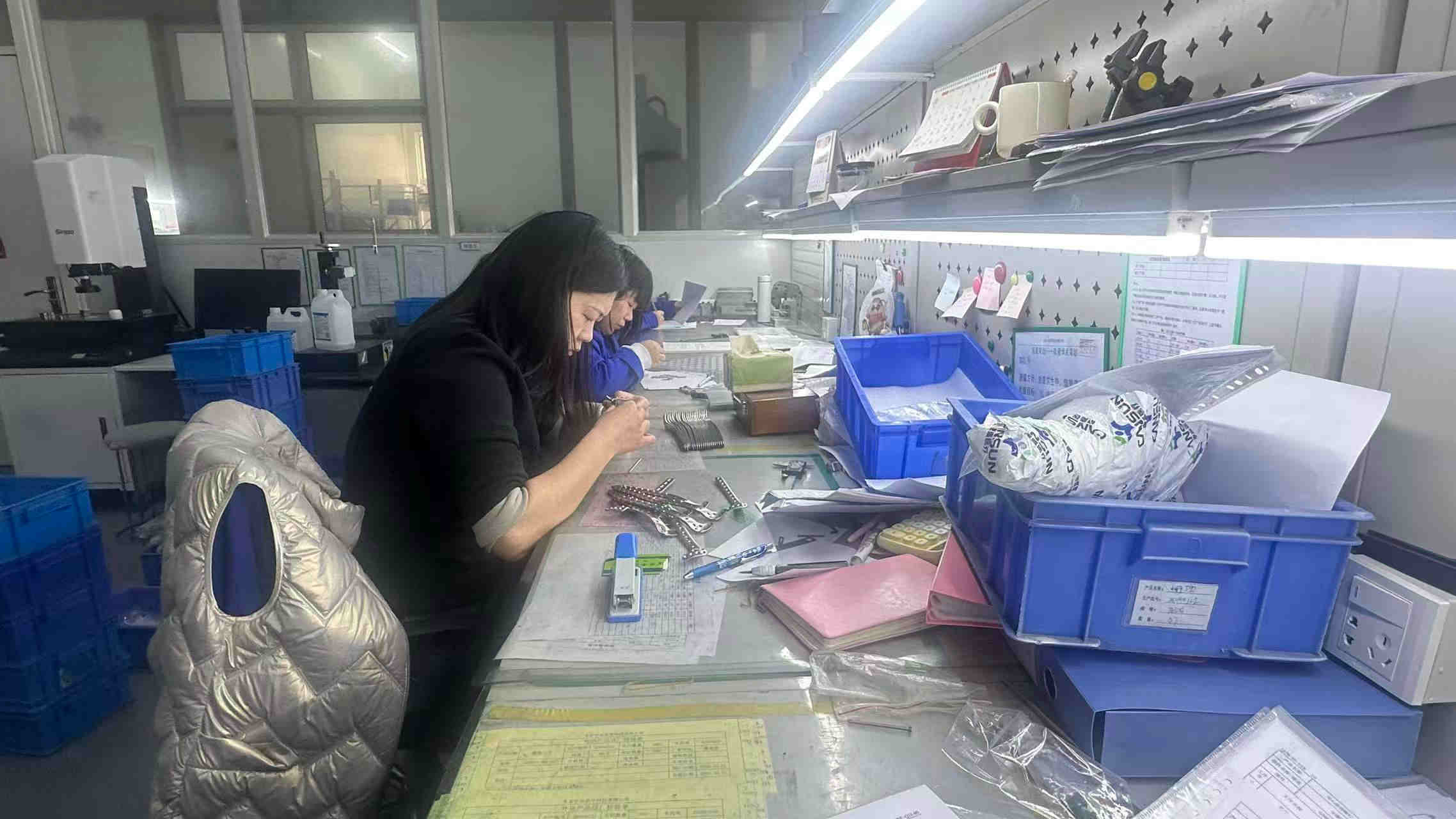
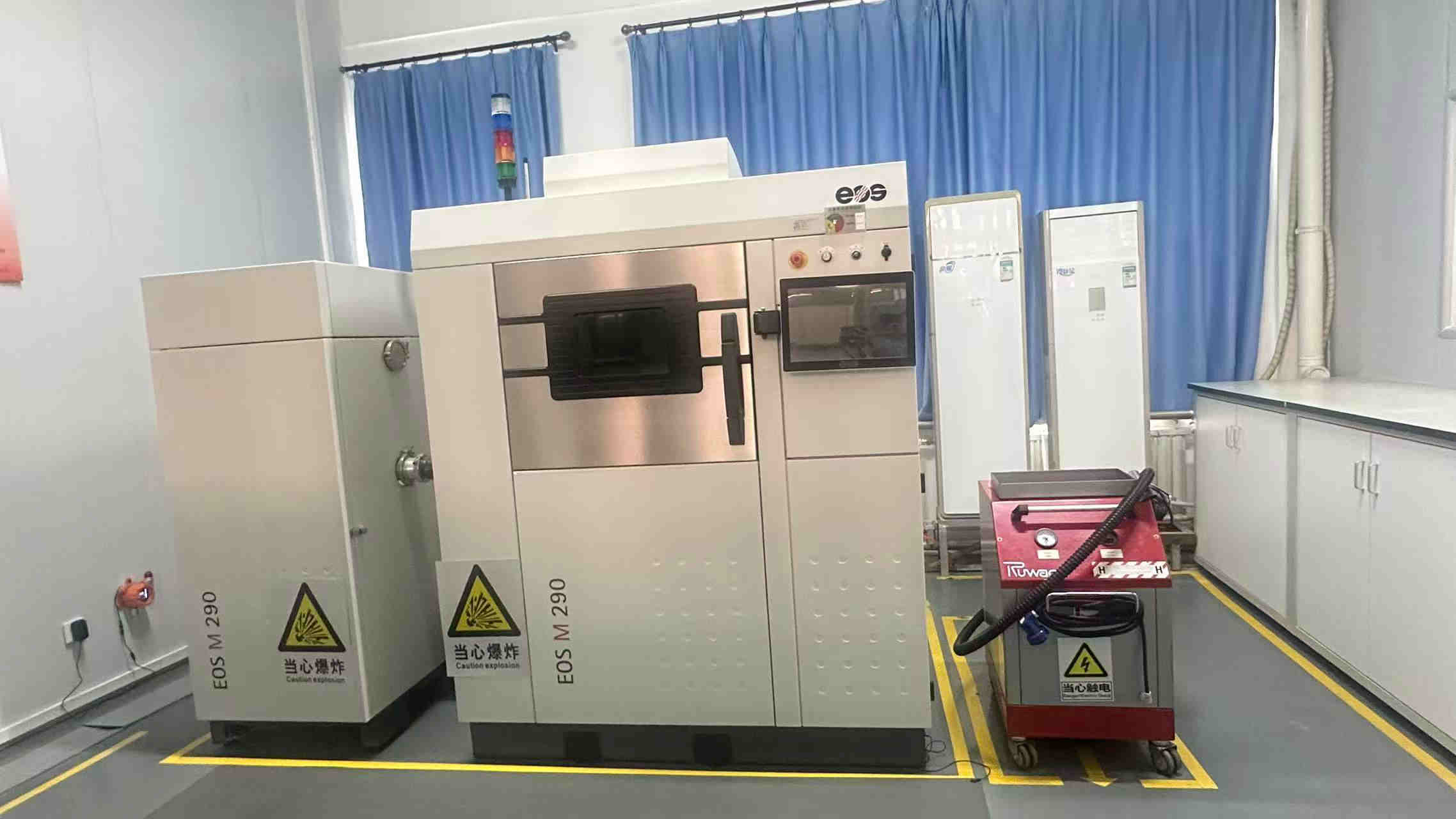
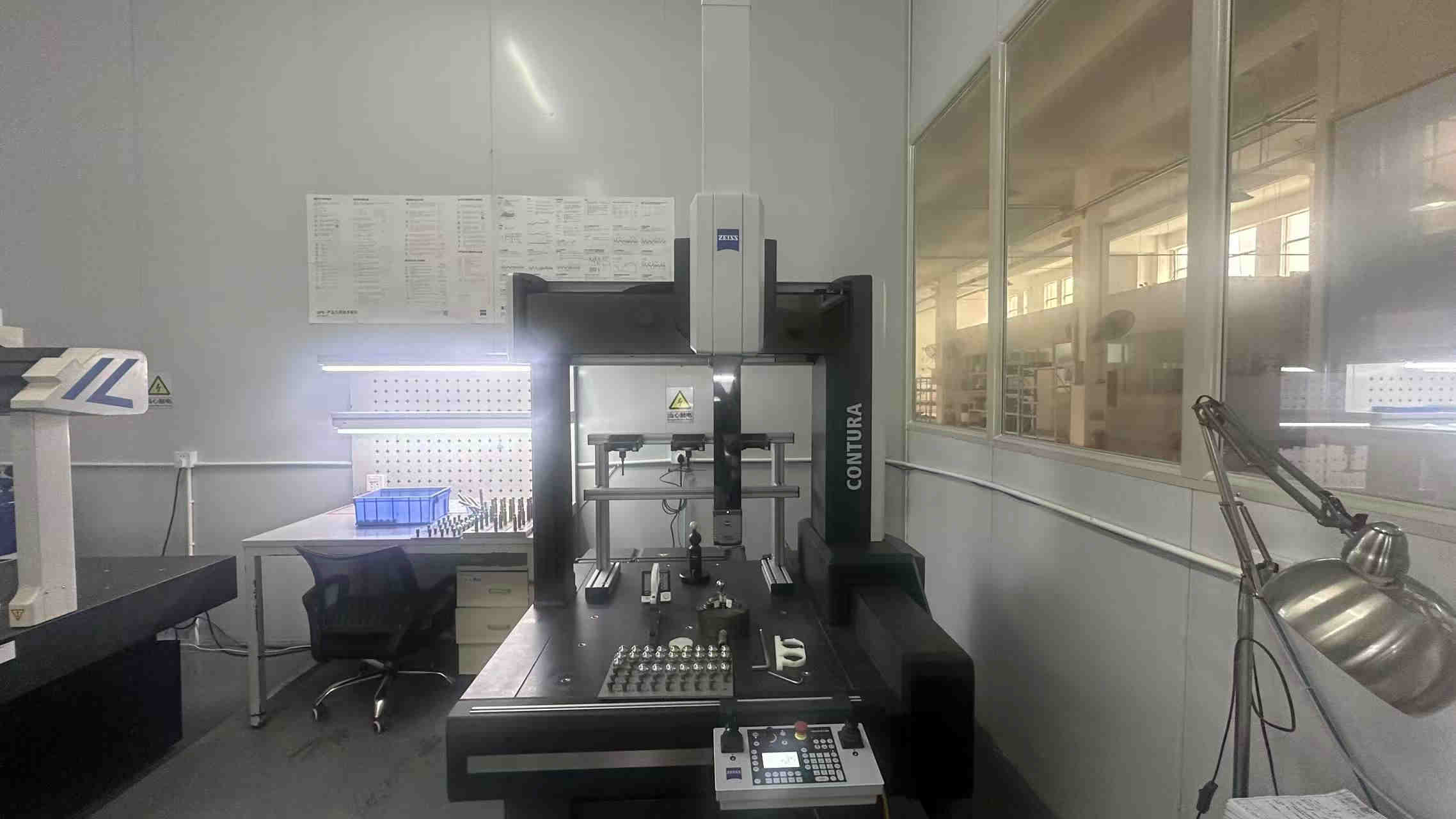
An inside look at Zhejiang Horaizon Medical Device Co., Ltd.'s state-of-the-art facility, showing how our orthopedic implants and plating components are machined, inspected, and packed.
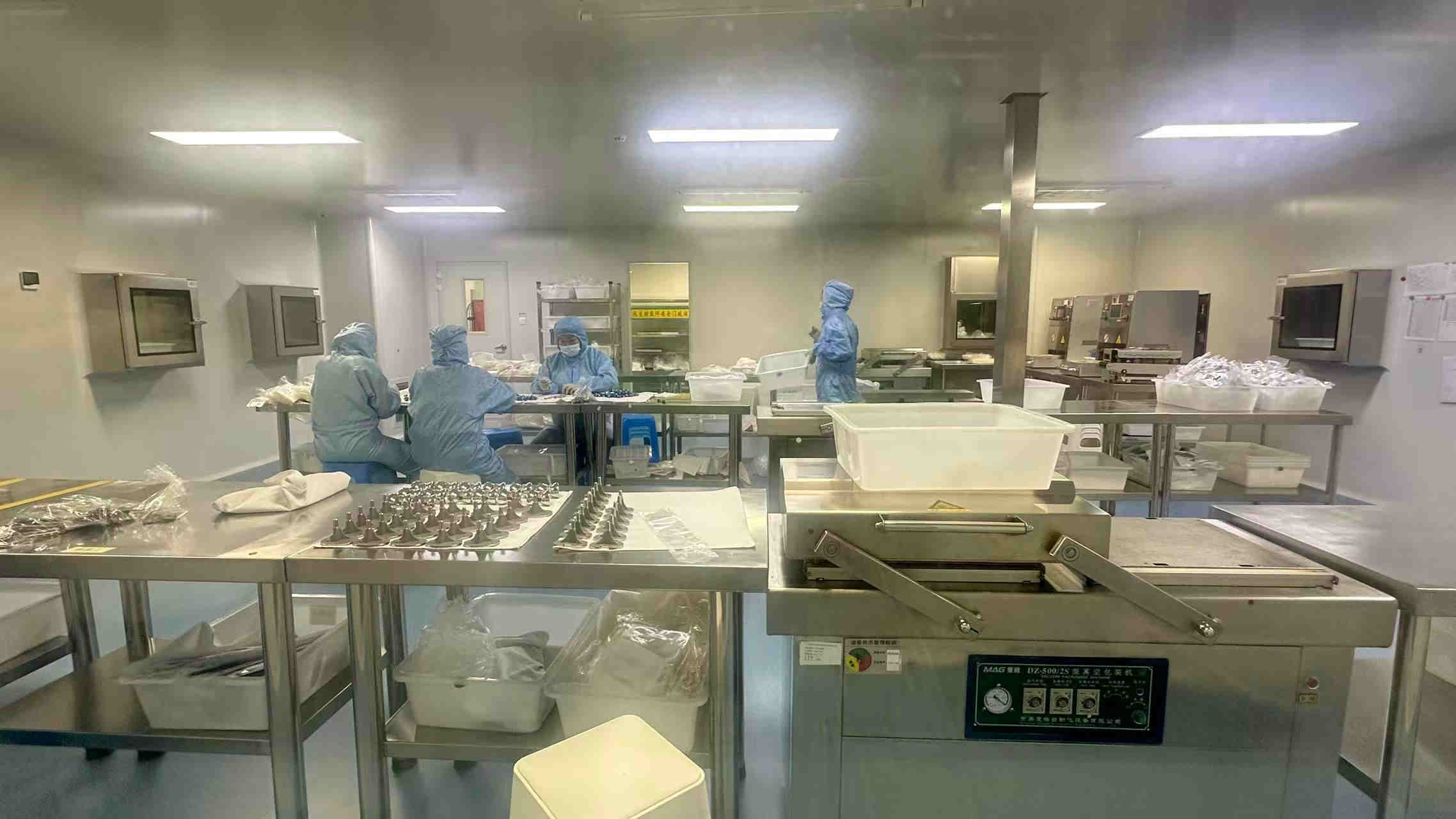
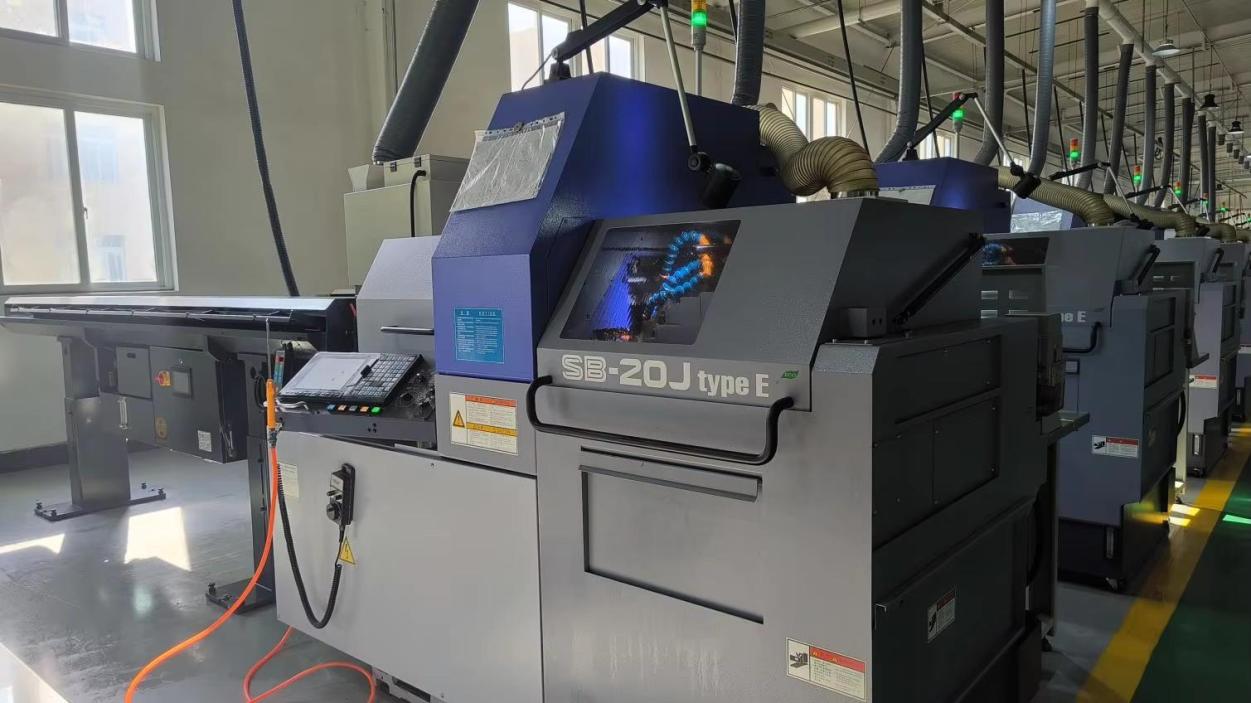
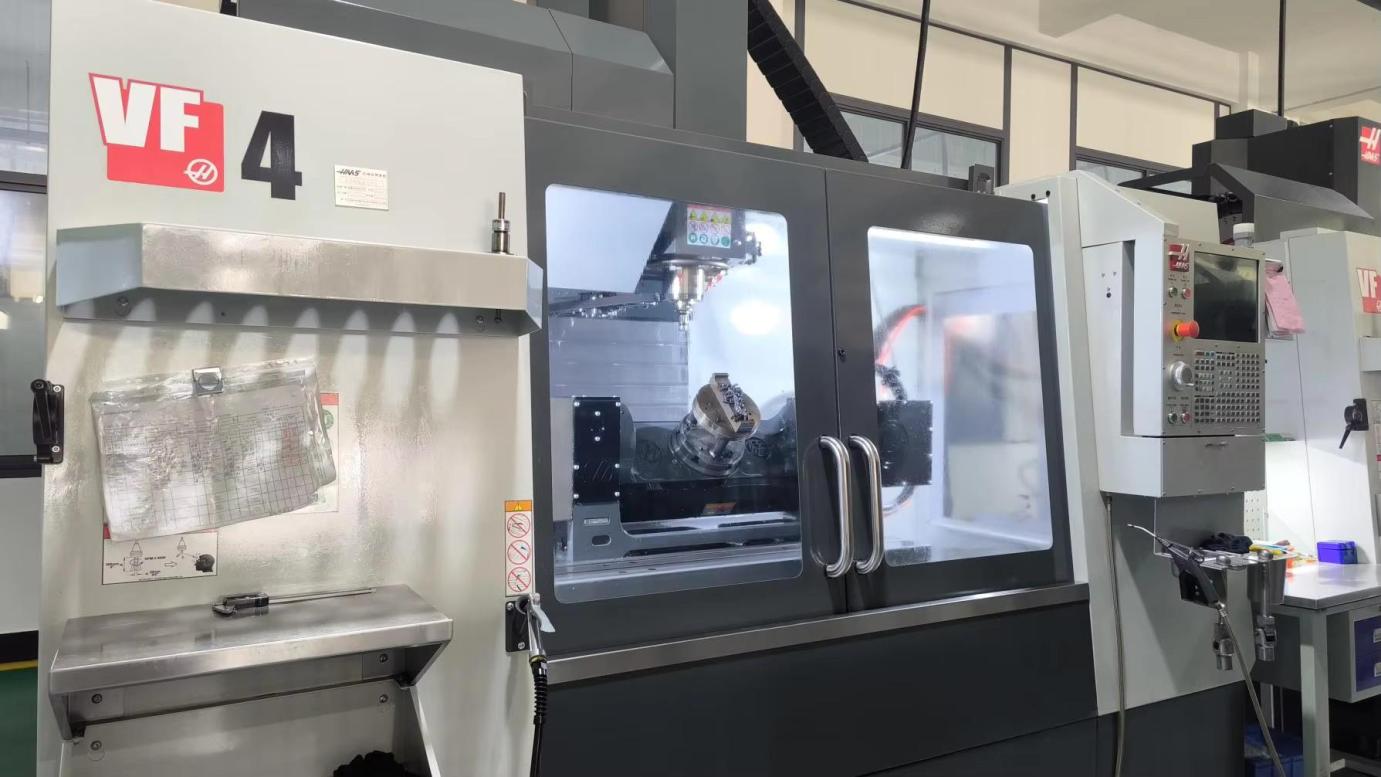
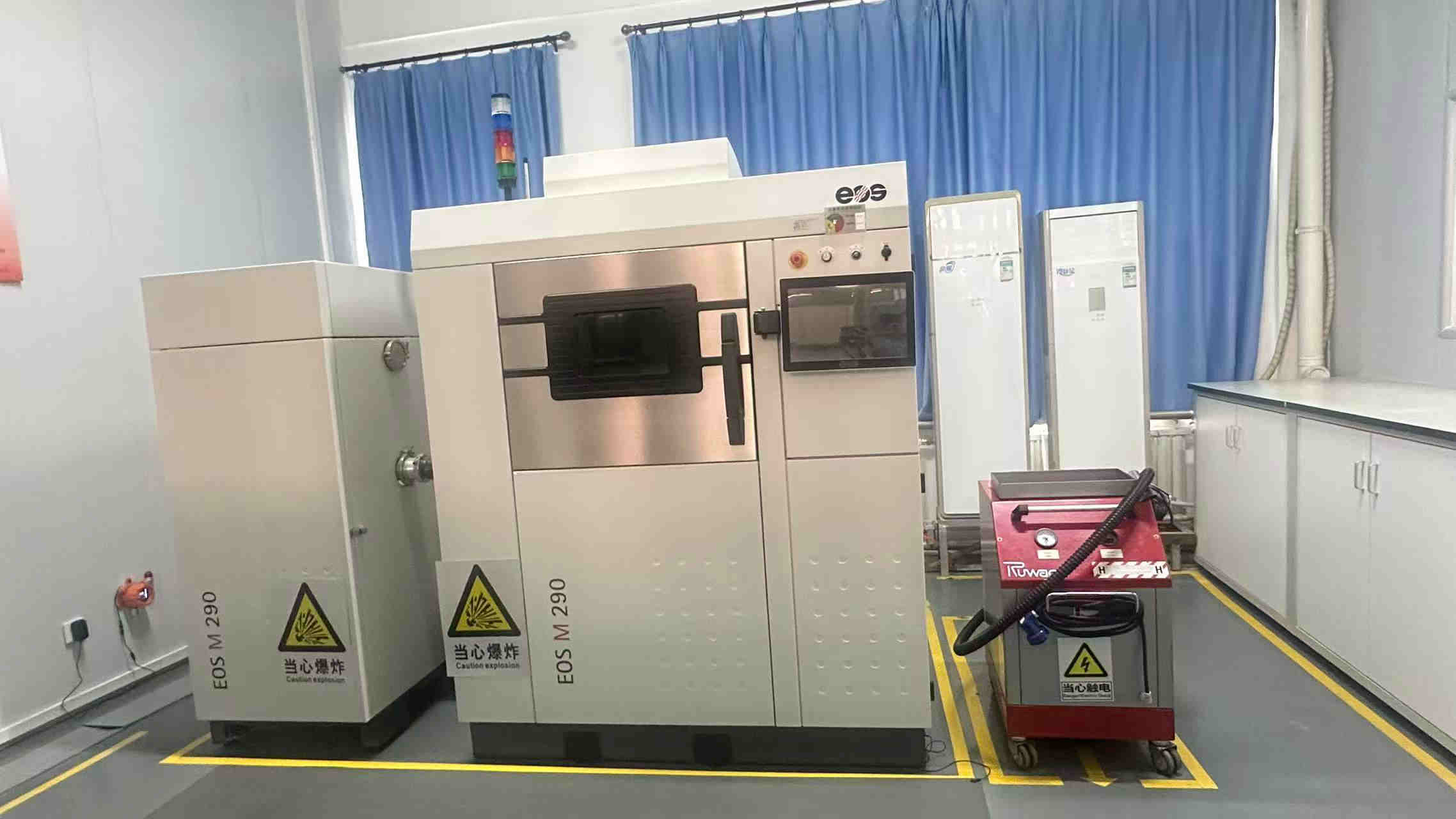
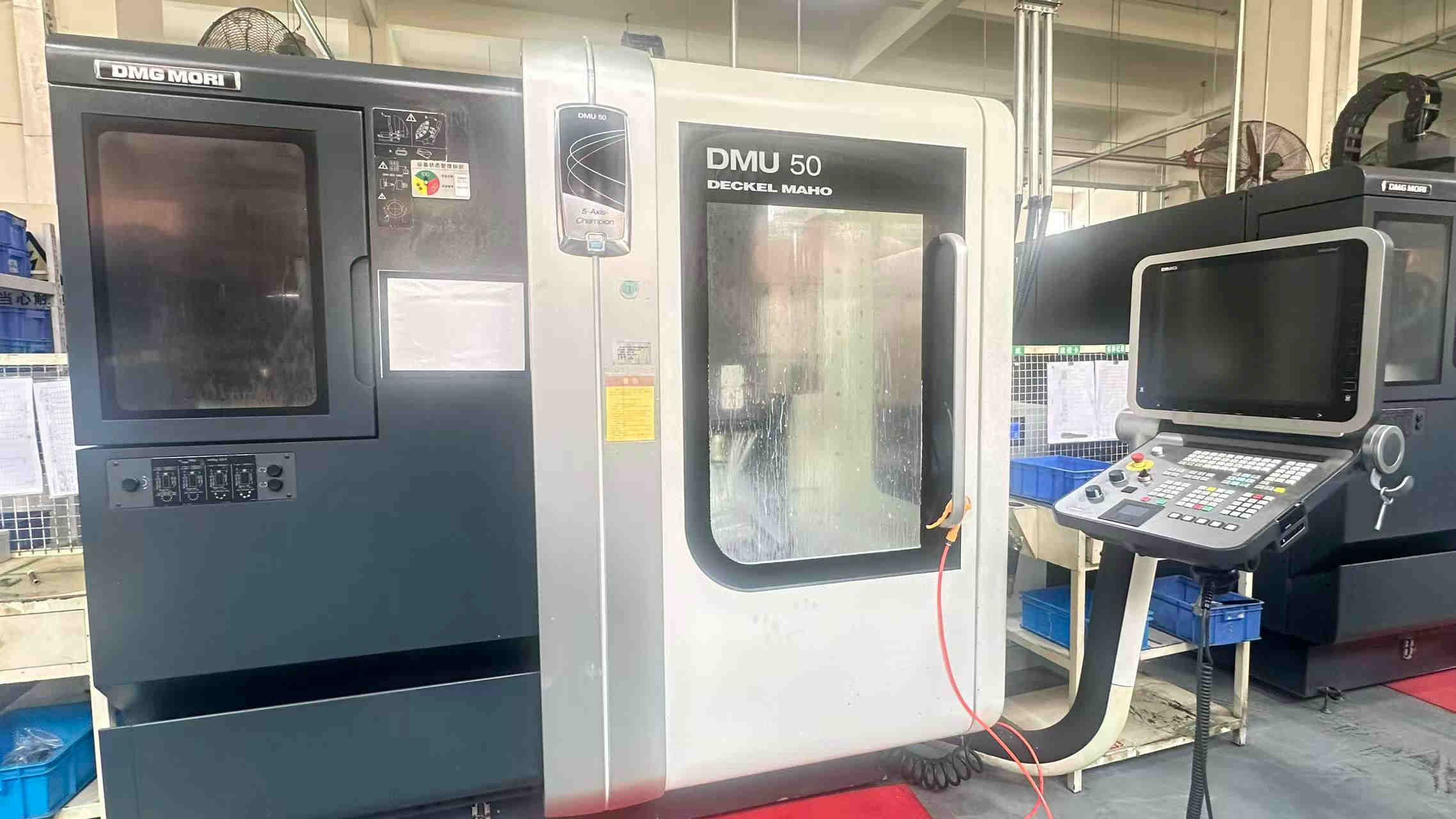
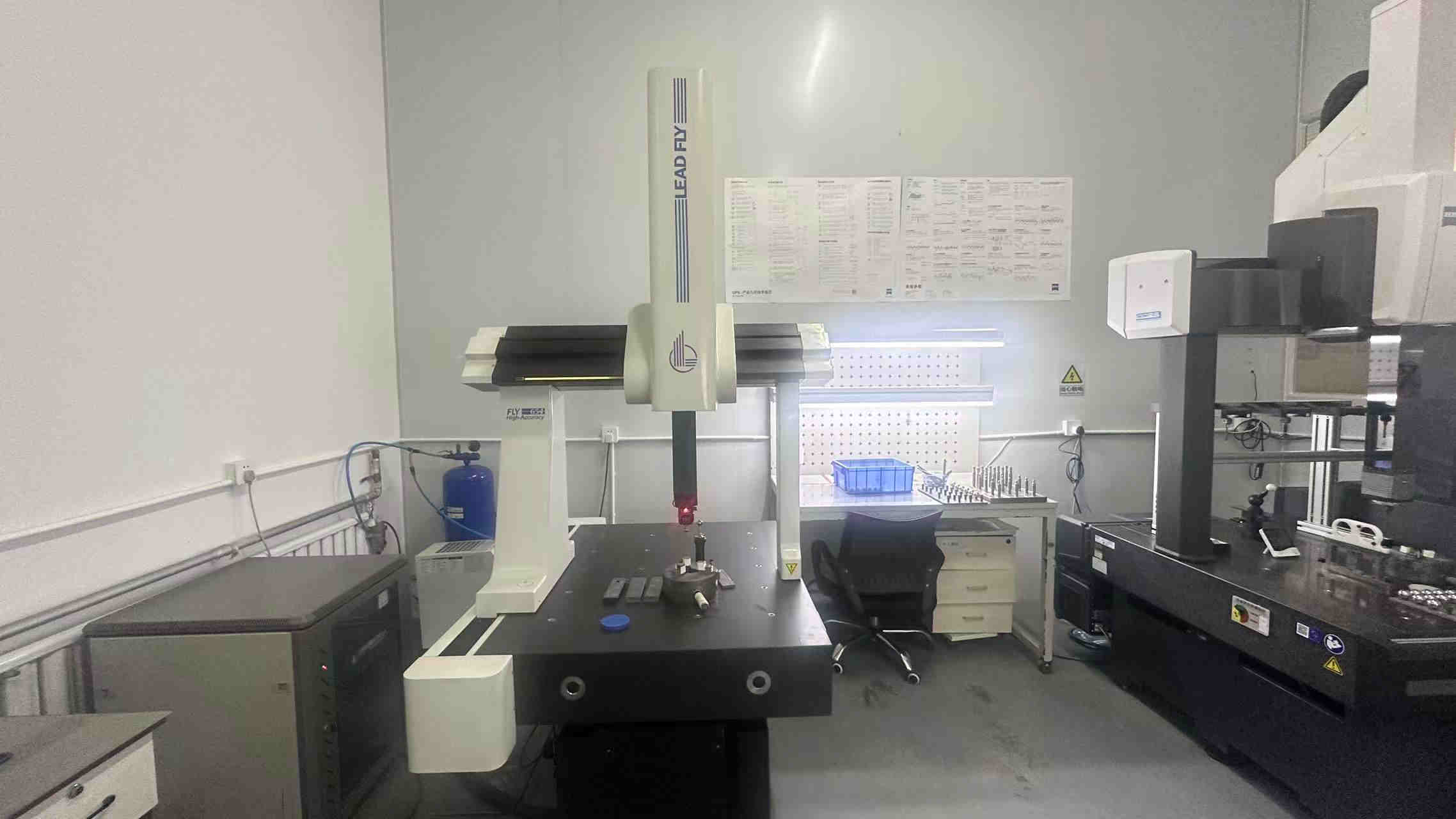
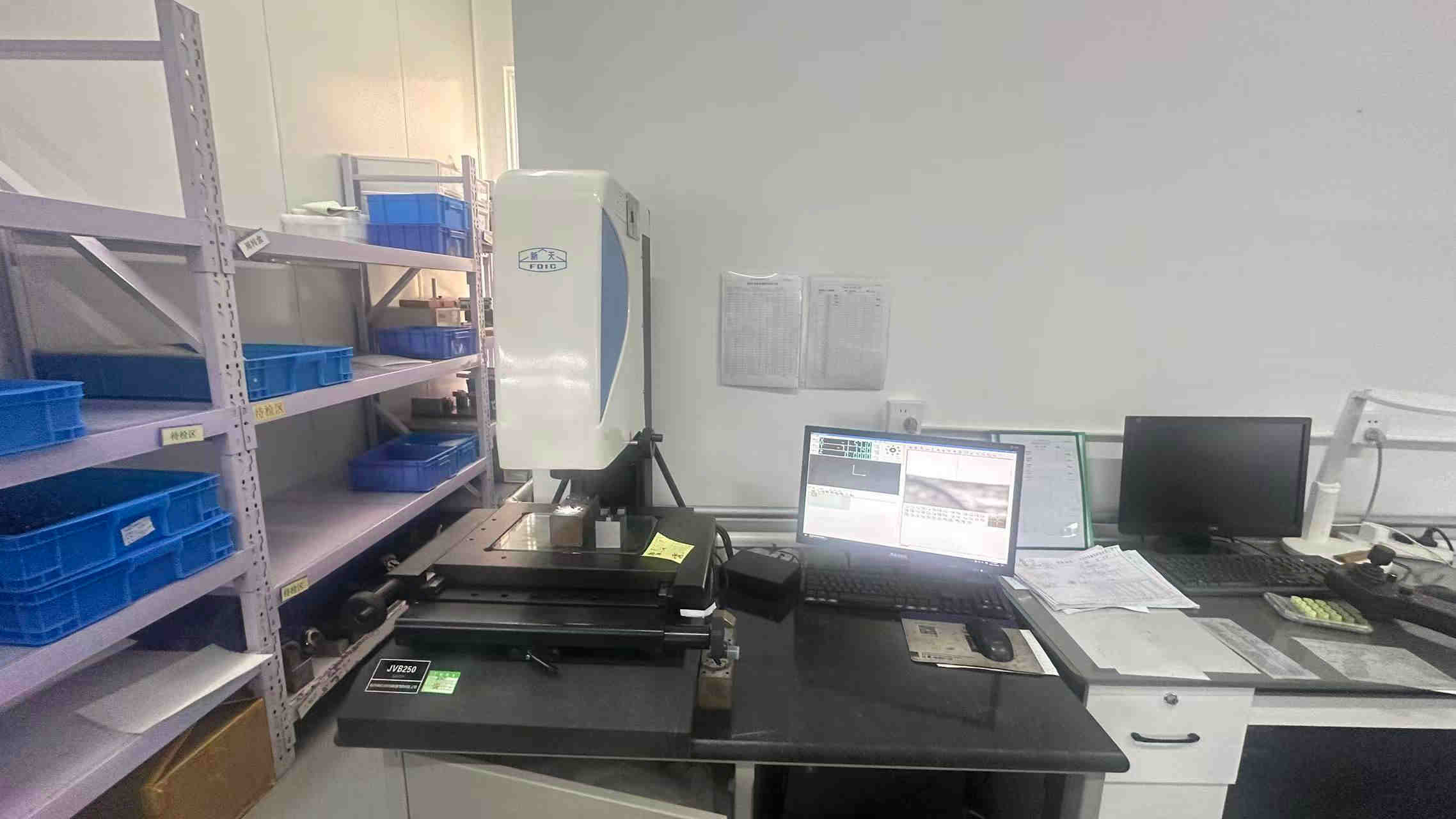
Supply chain reliability is crucial for hospitals and healthcare systems in Queensland. By working with a medical manufacturer based in Zhejiang, medical device distributors in Brisbane gain access to an established and resilient supply network. Zhejiang's advanced manufacturing hubs benefit from direct access to premium titanium processing, high-precision machining, and efficient international logistics pathways from Ningbo and Shanghai ports straight to the Port of Brisbane.
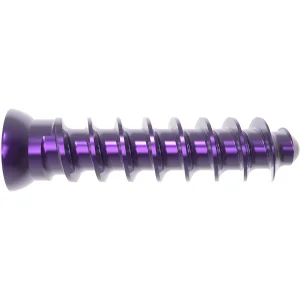
Our operation aligns with ISO 9000, ISO 13485, and YY/T0287 quality standards, ensuring that every batch of titanium cervical plates, locking screws, and specialized coatings includes complete traceability and materials documentation. This structure minimizes customs delays, satisfies local compliance audits, and provides consistent supply intervals to minimize inventory pressures for clinical providers in South-East Queensland.
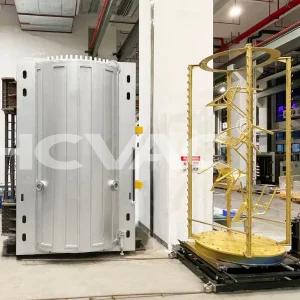
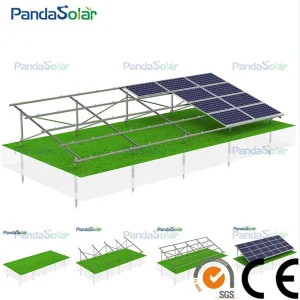
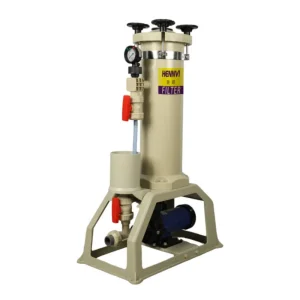
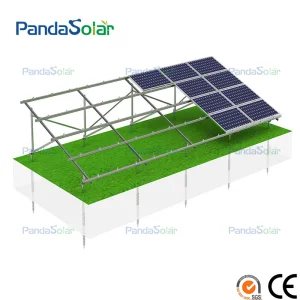
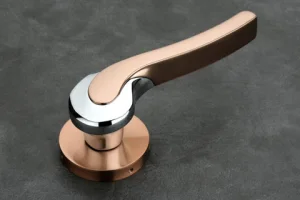
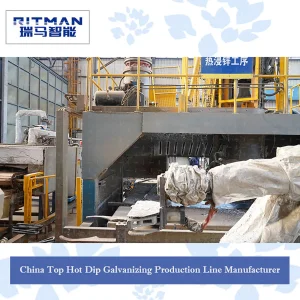
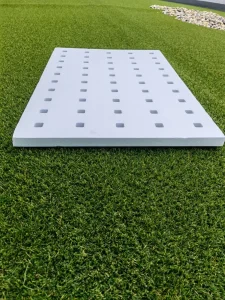
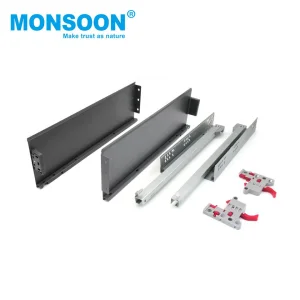
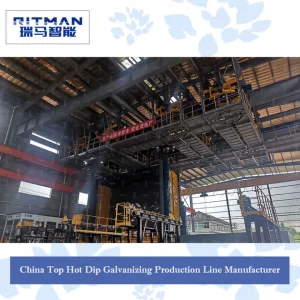
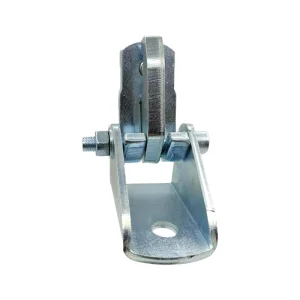
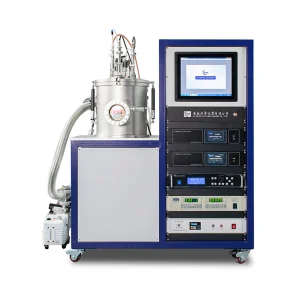
Review our complete range of specialized vacuum plating systems, industrial zinc coatings, and mounting setups engineered for diverse mechanical and infrastructure applications in Brisbane.

Addressing the common questions raised by orthopedic surgeons, clinical engineers, and procurement managers in Brisbane regarding our manufacturing standards and logistics.
Yes. Our medical devices are manufactured under strict ISO 13485 quality standards and are designed to meet TGA requirements for orthopedic implants in Australia. We provide comprehensive materials certifications, bio-compatibility reports (Grade 5 ELI Titanium), and CE documentation to support regulatory submission processes.
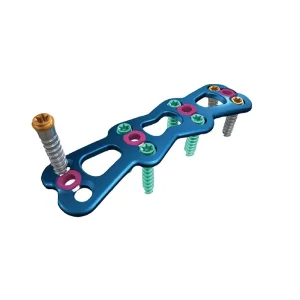
Our anterior cervical plate system offers a low profile (typically 1.8mm to 2.0mm thickness) to minimize post-operative dysphagia. Features include variable-angle screw options for dynamic load sharing, integrated tactile locking mechanisms to prevent screw back-out, and pre-curved anatomical contours to fit the natural cervical lordosis of patients.
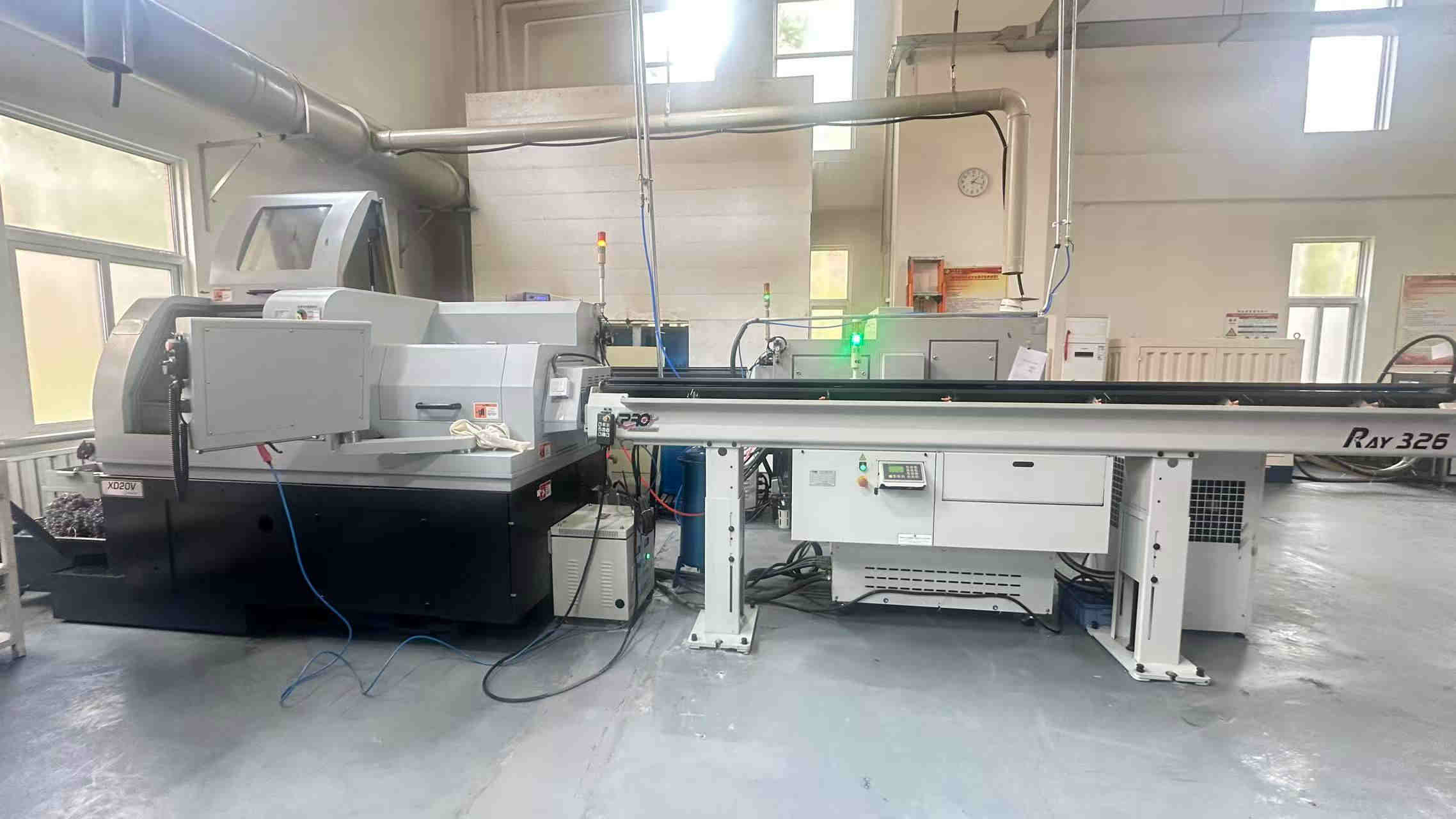
We operate high-precision Swiss-type turning centers, multi-axis CNC machines, and 3D metal printers. Our testing protocol includes coordinate measuring machines (CMM) and optical image analyzers. Every batch undergoes validation testing to verify chemical composition, dimensional tolerances, and surface plating integrity.
For standard orders, air freight delivery to Brisbane Airport takes approximately 7 to 10 working days. Larger container shipments (such as industrial plating machinery or mounting frameworks) sent via sea freight to the Port of Brisbane take about 18 to 25 days, depending on shipping schedules.
Yes, we provide OEM/ODM services for spinal implant distributors. Using our 3D metal printing and finishing capabilities, we can prototype and manufacture custom plate lengths, customized screw configurations, and specialized instrumentation sets based on your specifications.
Connect with our technical engineers to discuss specifications, request samples, or secure bulk pricing for your next project in Brisbane or Queensland.
Send Inquiry Now