Horaizon Orthopedic Implants
Horaizon Orthopedic Implants
Horaizon Orthopedic Implants
Select high-performance orthopedic solutions engineered with medical-grade materials and micro-precision tolerances.
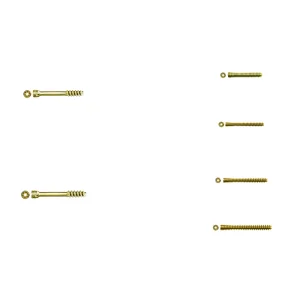
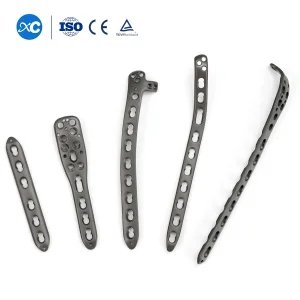
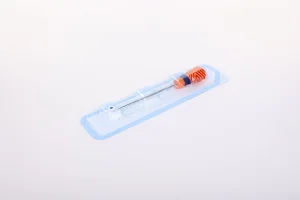
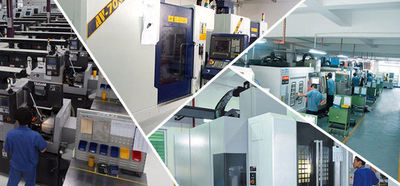
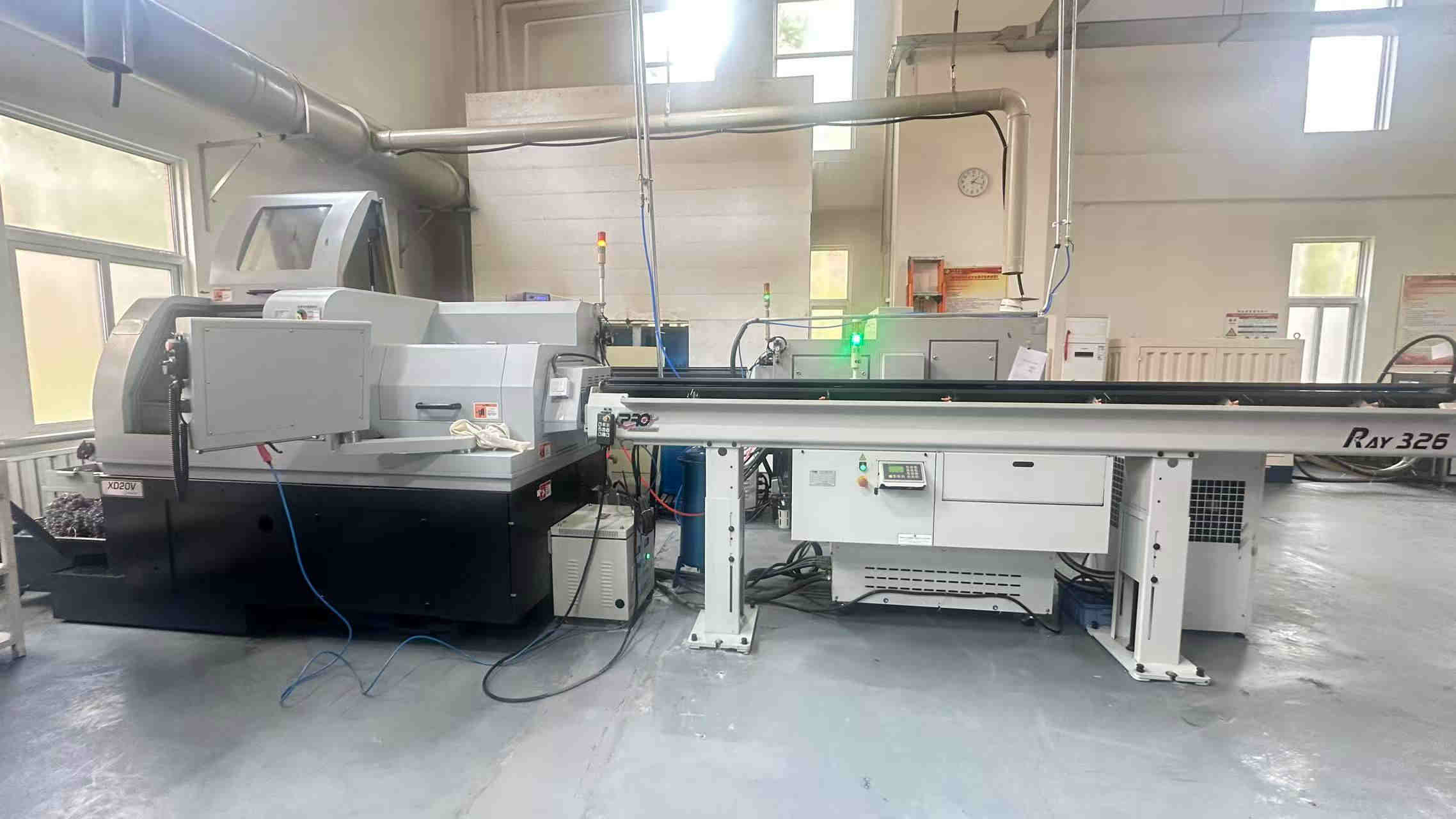
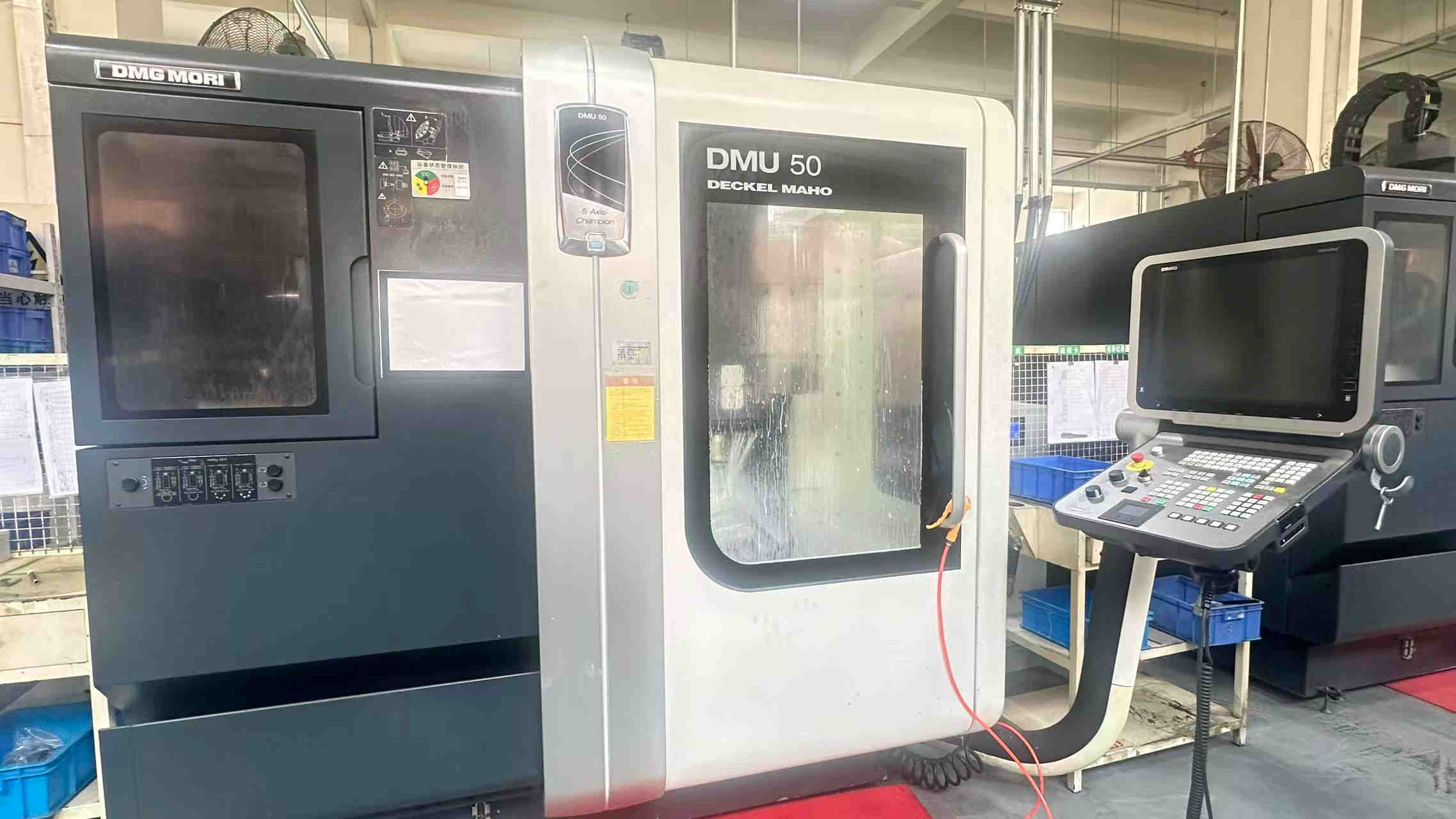
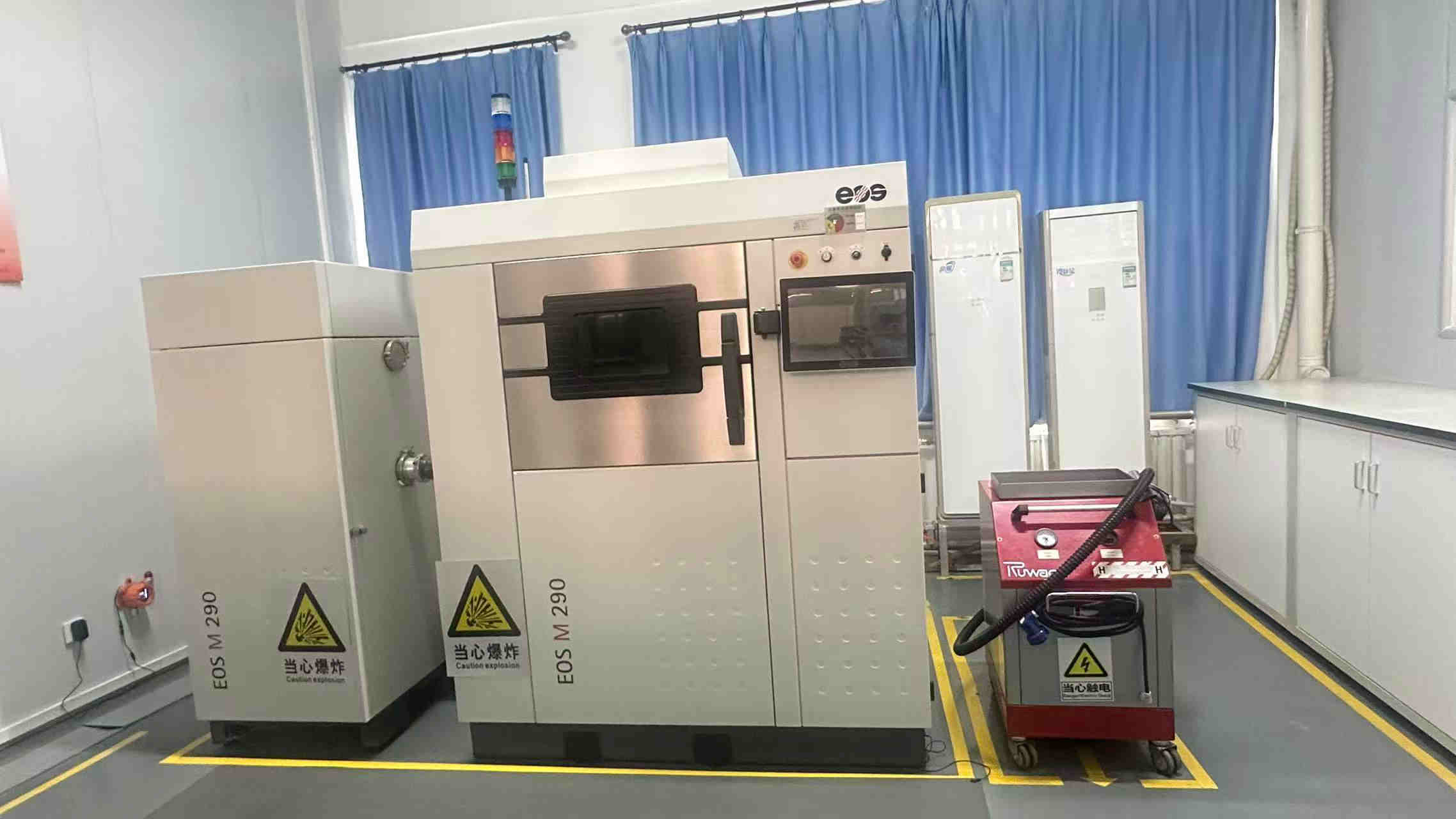
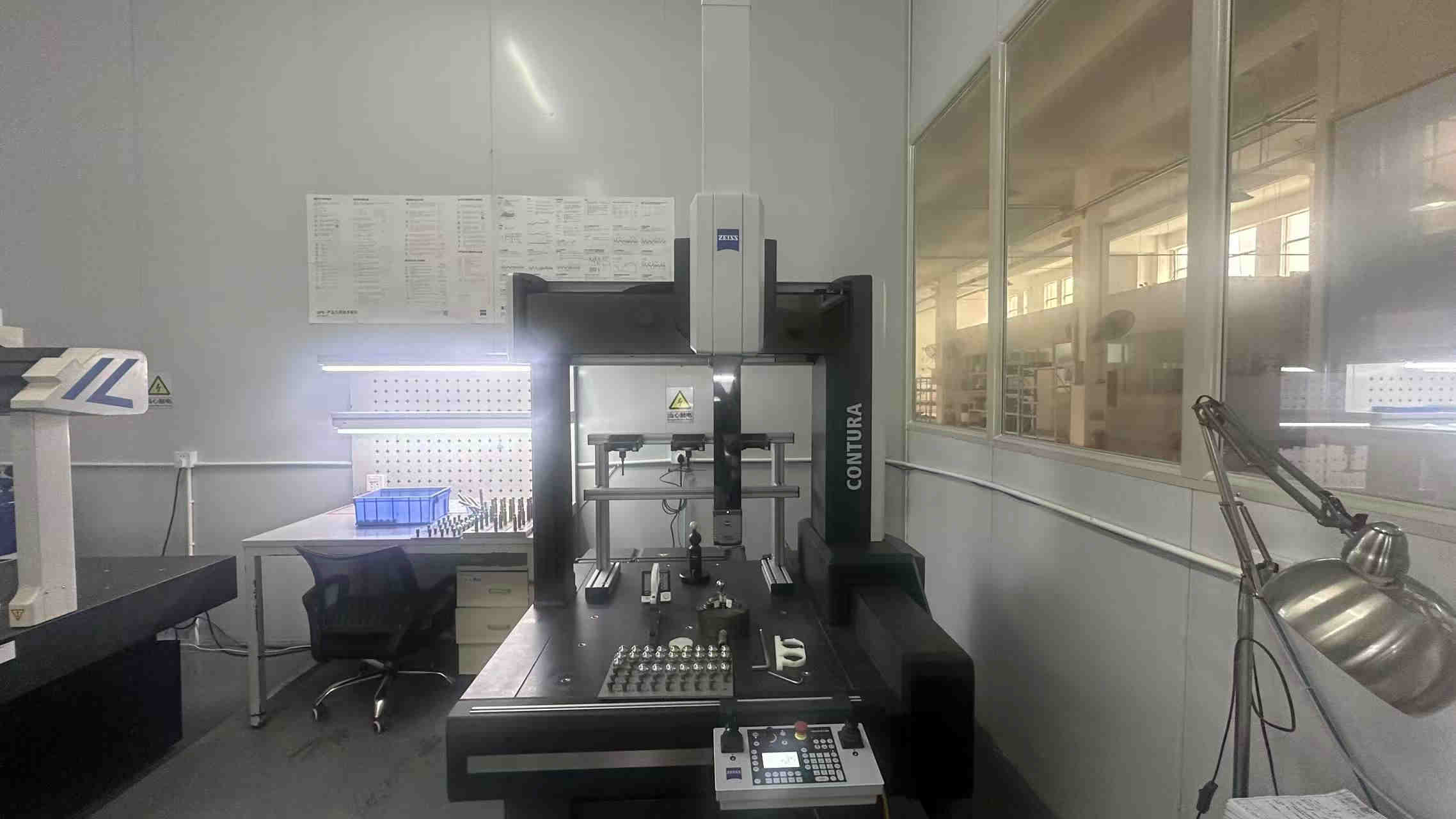
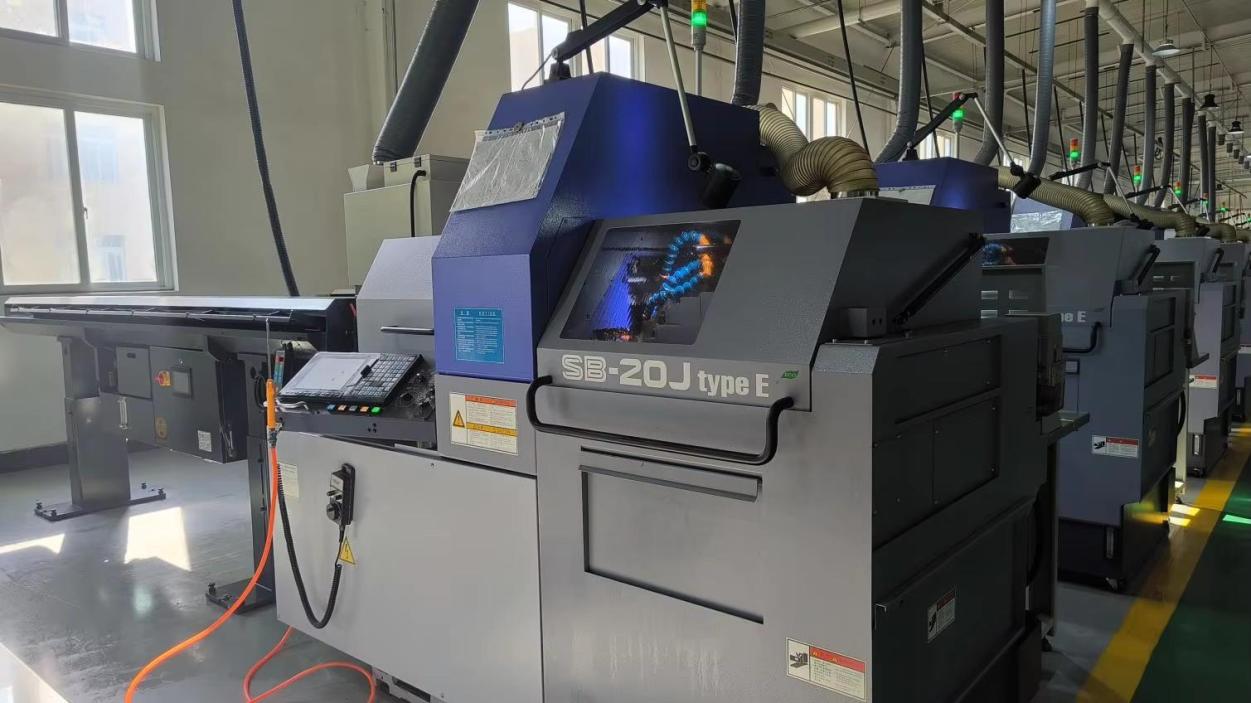
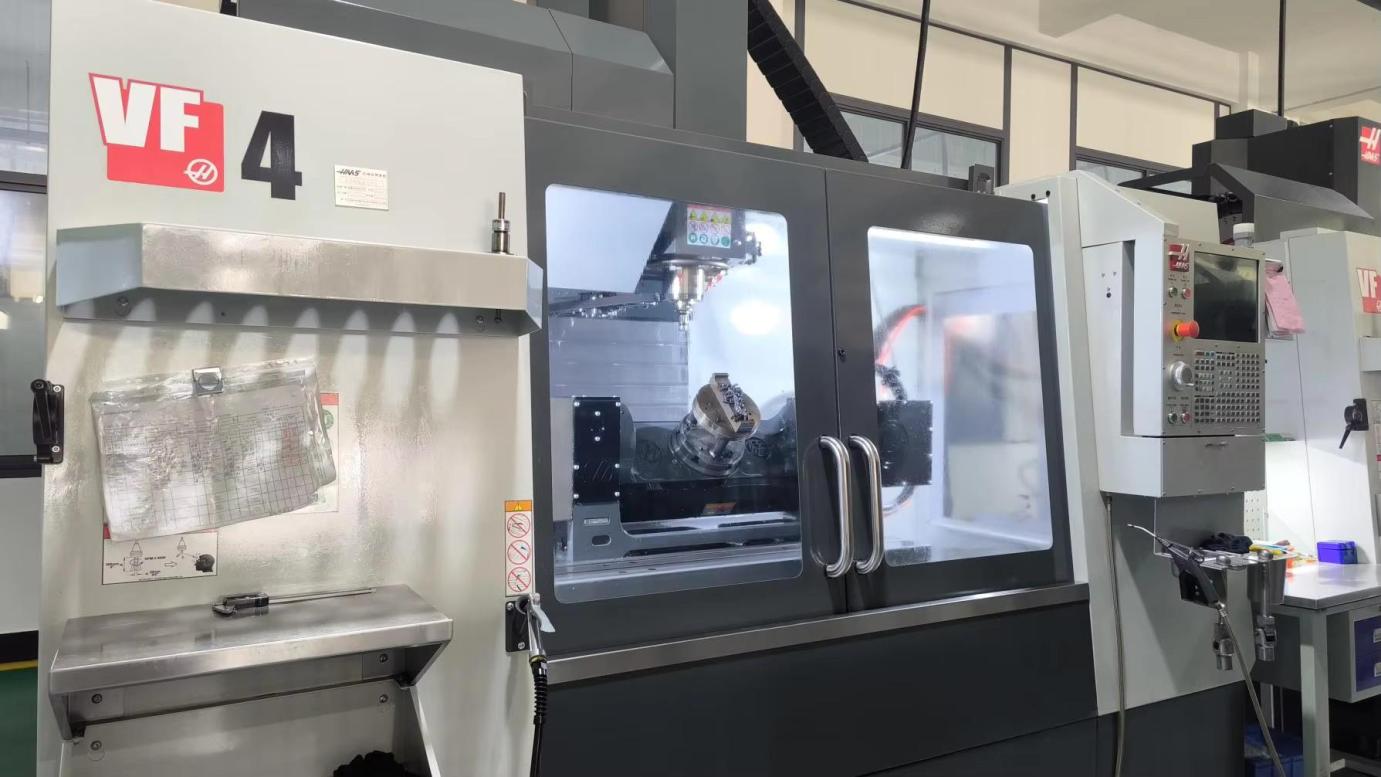
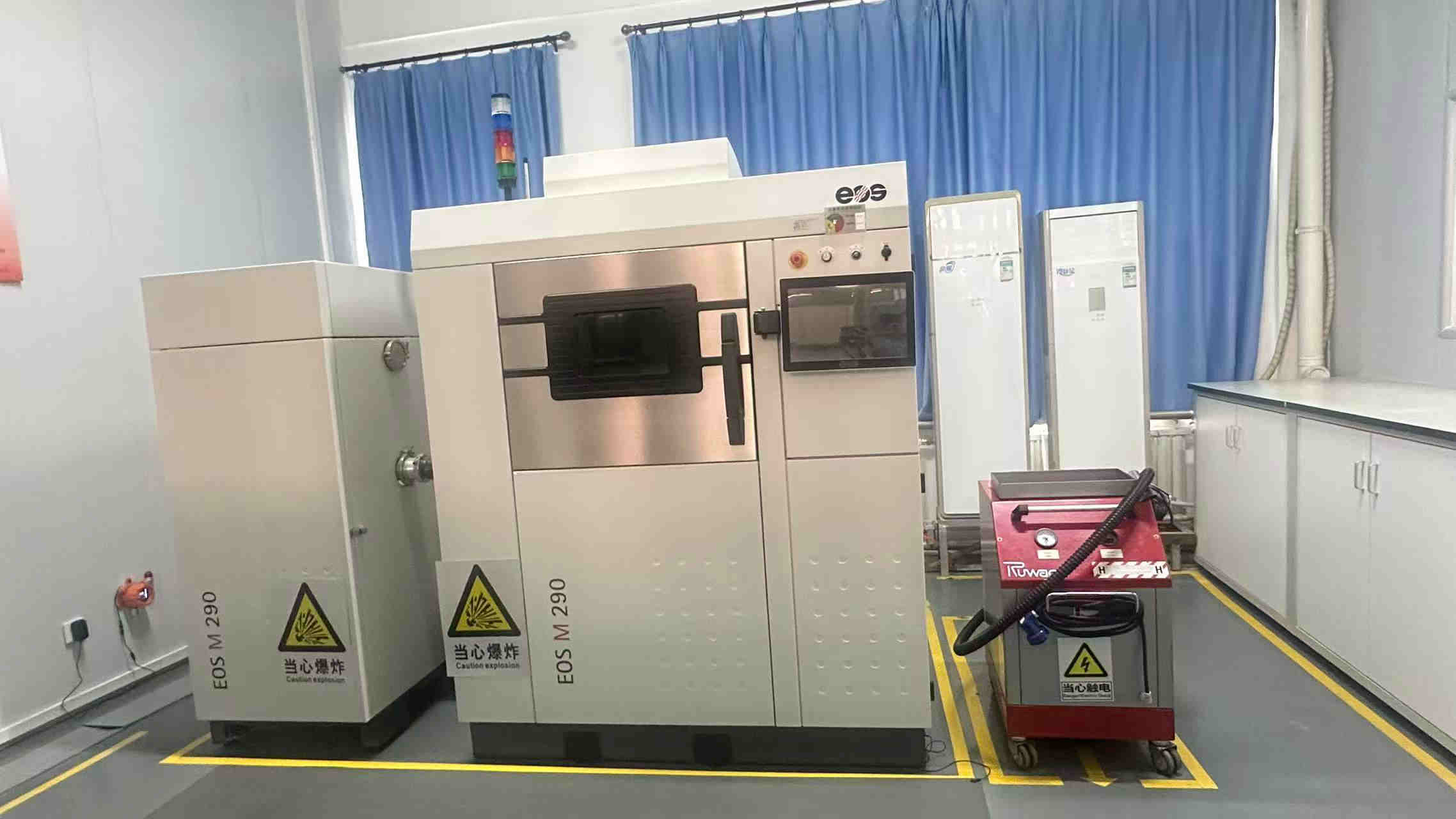
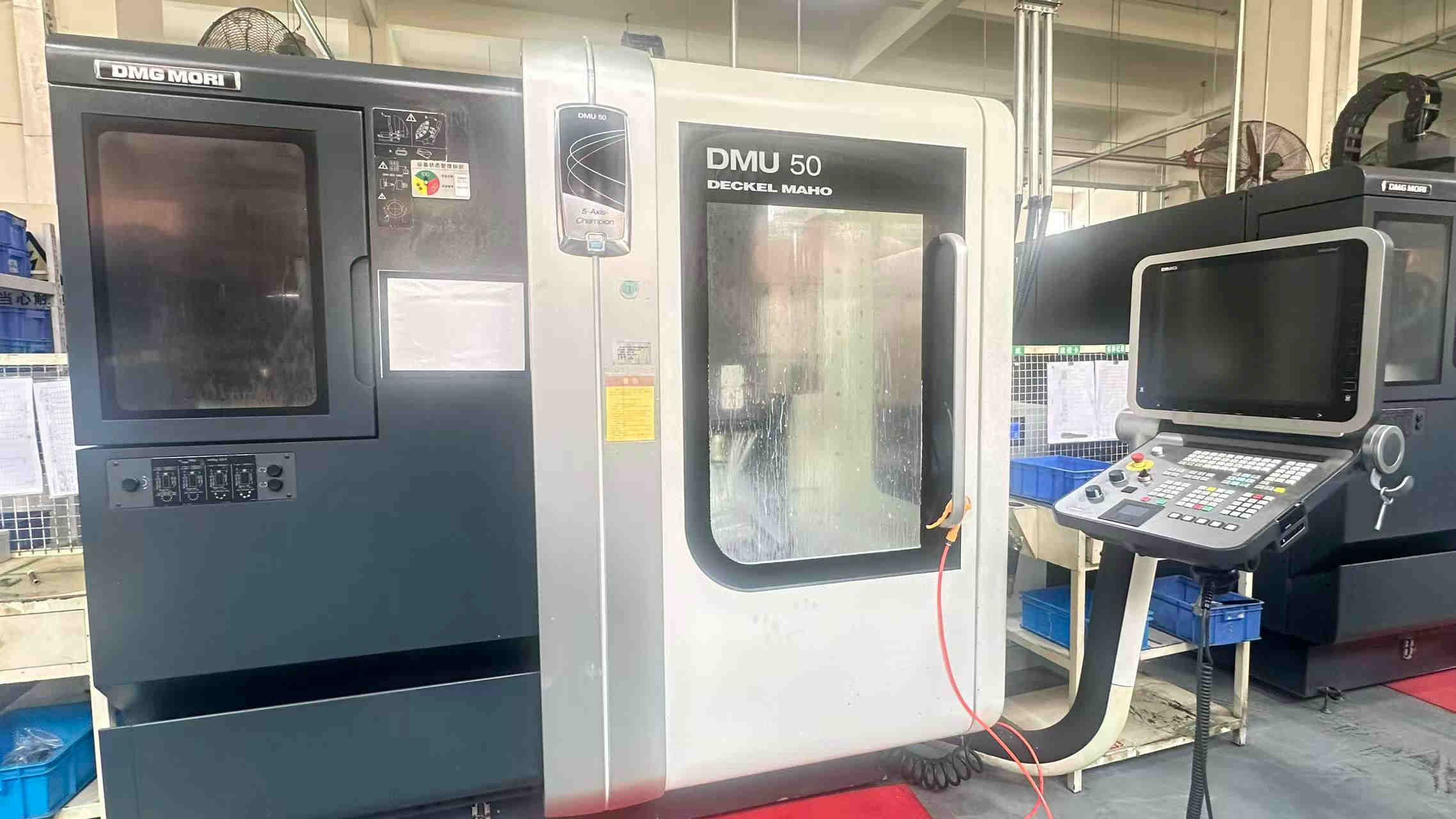
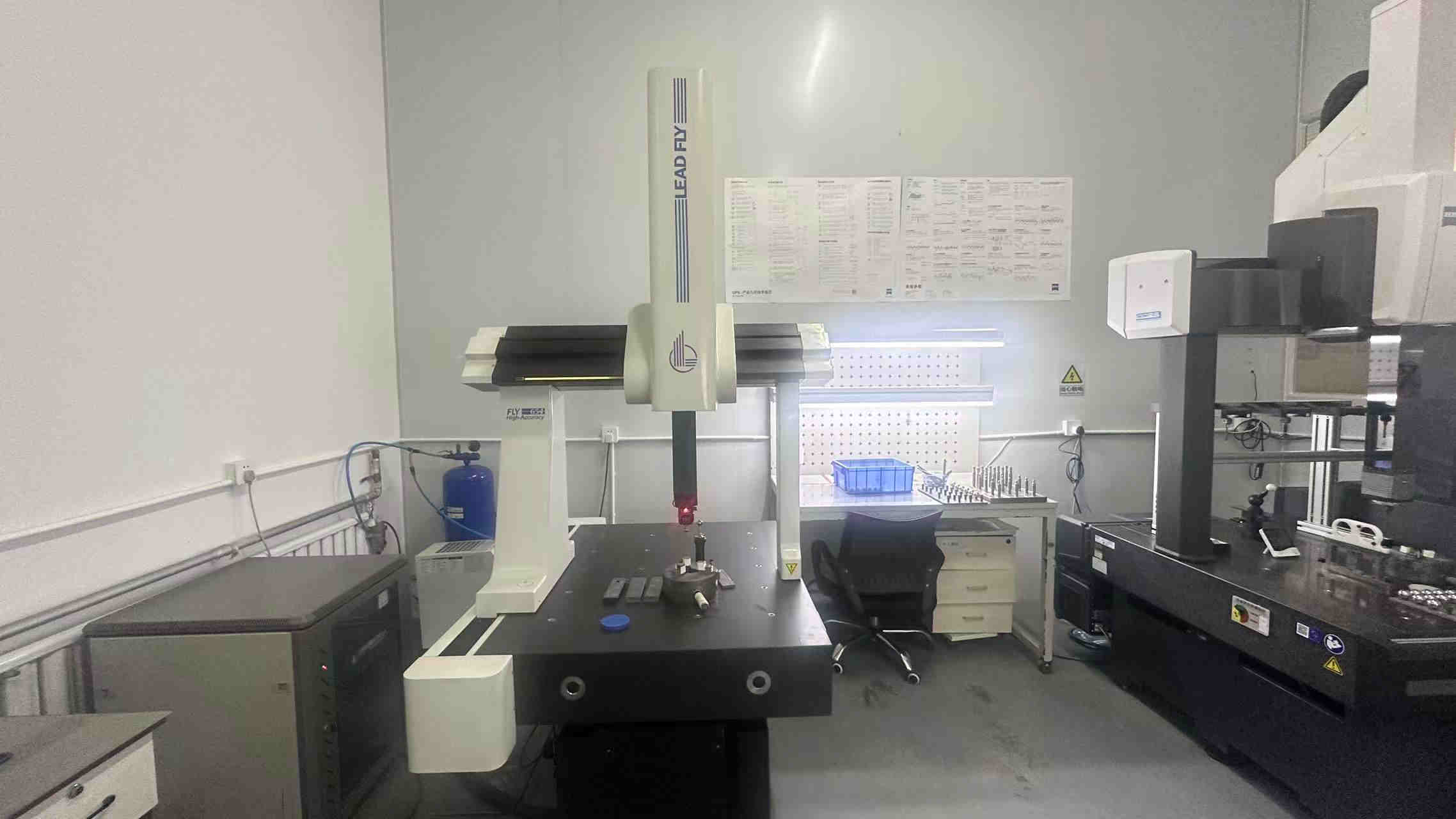
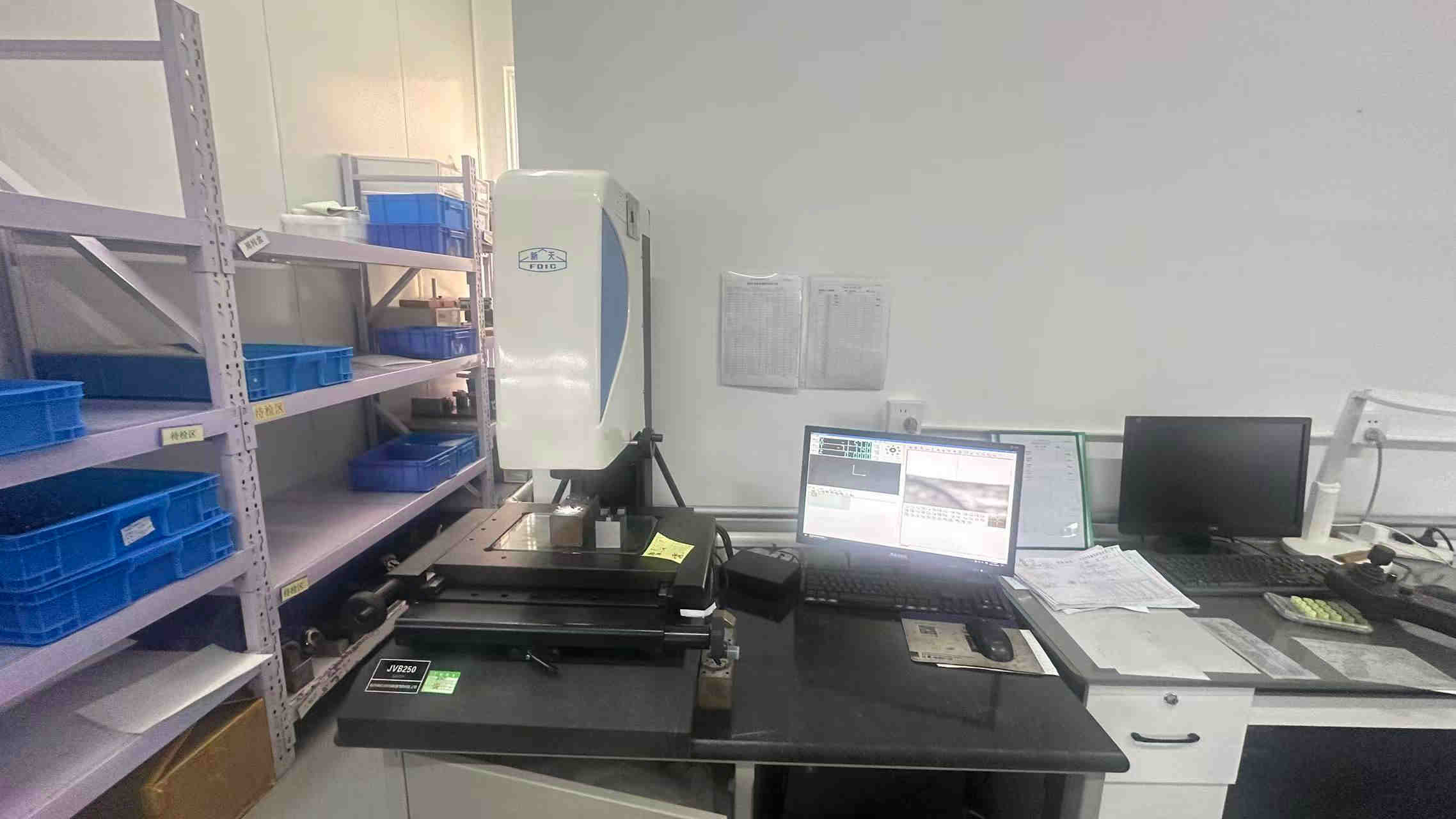
Zhejiang Horaizon Medical Device Co., Ltd. stands as a premier integration of orthopedic medical device research, high-tech manufacturing, and global commercialization. We offer a comprehensive suite of trauma, spine, and joint solutions engineered under stringent international standards. Our manufacturing infrastructure hosts advanced, high-precision machining systems alongside coordinate detection instruments, supporting the modern surgical suite with reliability and sterile efficacy.
Operating under the philosophy of "precision, professionalism, innovation", Horaizon is dedicated to advancing human health. Our strict adherence to ISO 9001 / ISO 13485 international quality standards and YY/T0287 certification protocols ensures every implant and instrument delivers consistent biocompatibility, structural stability, and seamless operating mechanics for clinical specialists worldwide.
Under the principles of medical E-E-A-T, we analyze the critical mechanical engineering parameters required to support safe and efficient surgical workflows.
Modern surgical power tools utilize high-efficiency BLDC motors. This technology minimizes heat emission and completely eliminates carbon brush friction, resulting in extended autoclaving resilience and exceptional reliability in torque control during orthopedic osteotomies.
Surgical drills require complete fluid-tight protection to survive repeat autoclave sterilizations at 134°C/2.1 bar pressure. Our internal sealing and premium O-rings protect the core electronic circuits and drive mechanisms from moisture and biological contaminants.
Incorporating intelligent microprocessors into handpieces enables real-time bone-density sensing and adaptive torque management. This helps surgeons prevent drill-slip, minimize thermal necrosis risks, and maintain precise rotational speeds.
How local integration and logistics infrastructure drive cost-efficiency and quality for global B2B procurement partners.
China's Yangtze River Delta, particularly Zhejiang Province, acts as a primary global hub for surgical equipment and high-precision orthopedic engineering. The consolidation of specialized raw material refining, heat treatment processes, and CNC surface treatment facilities results in optimized lead times and manufacturing costs.

Critical regulatory frameworks and quality management standards that ensure compliance in diverse international jurisdictions.
| Regulatory System / Standard | Target Jurisdiction | Verification Objective | Horaizon Medical Compliance Protocol |
|---|---|---|---|
| ISO 13485:2016 | Global Medical Devices | Quality management system validation across design, raw materials, manufacturing, and distribution. | Certified facility. Regular third-party audits ensure cleanroom protocols, component tracking, and documentation validation. |
| EU MDR (2017/745) | European Union / EEA | Rigorous post-market surveillance, risk classification, and clinical evaluations for implants and power tools. | Rigorous tracking documentation, biocompatibility testing (ISO 10993), and Technical Documentation File preparation. |
| FDA 510(k) Guidance | United States | Establishes substantial equivalence for orthopedic implants, bone screws, and surgical instruments. | Mechanical testing validation (ASTM F543 for bone screws, ASTM F136 for raw titanium alloy stock). |
| YY/T 0287 System | China (National) | Standardizes manufacturing controls and sterilization system validation for domestic medical devices. | Complete localization matching and national clinical registrations under NMPA regulations. |
Through local sales representations, technical assistance bureaus, and OEM service capabilities, we offer tailored solutions to medical distributors, healthcare groups, and orthopedics brands across Europe, South America, the Middle East, and Asia.
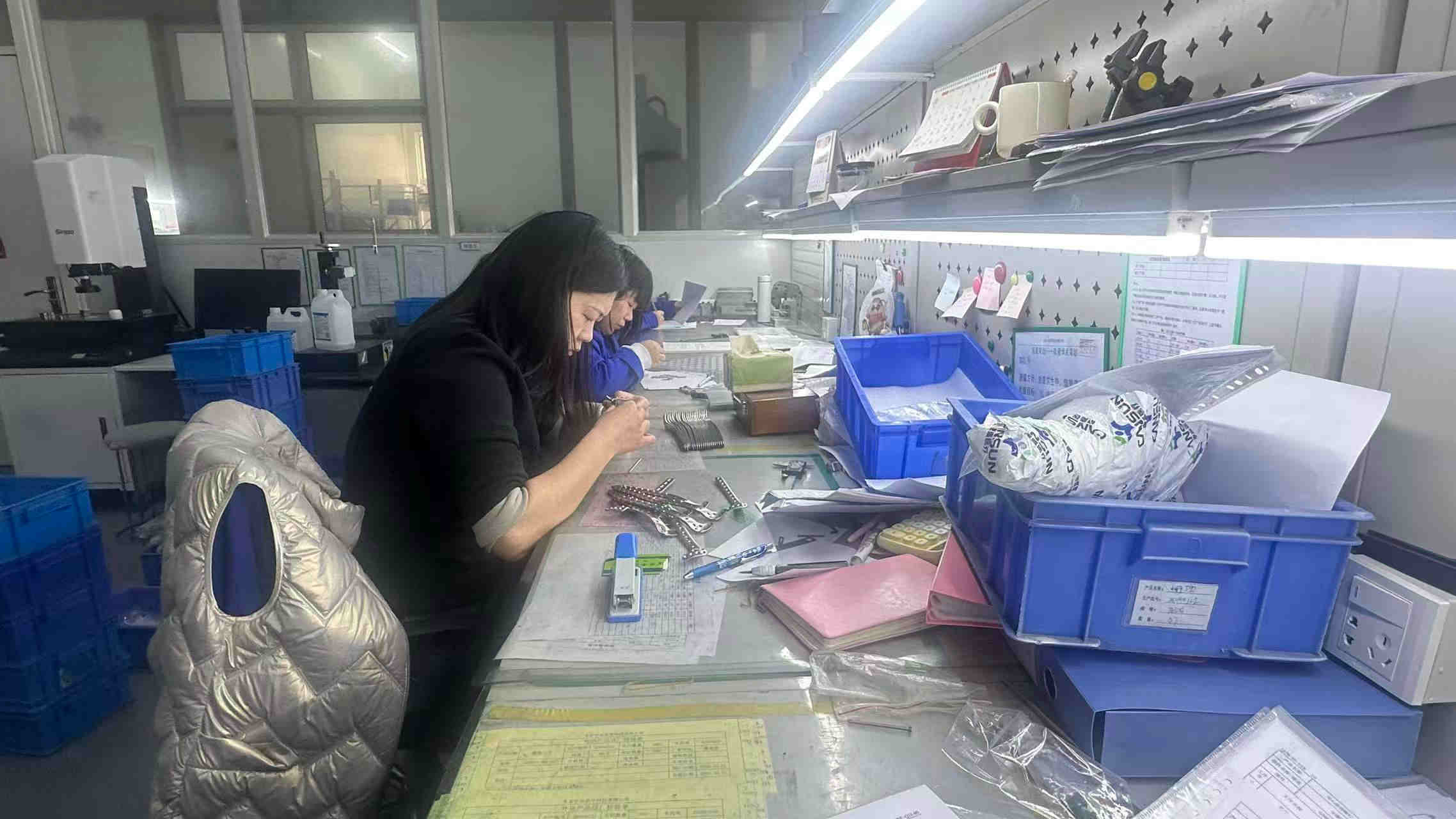
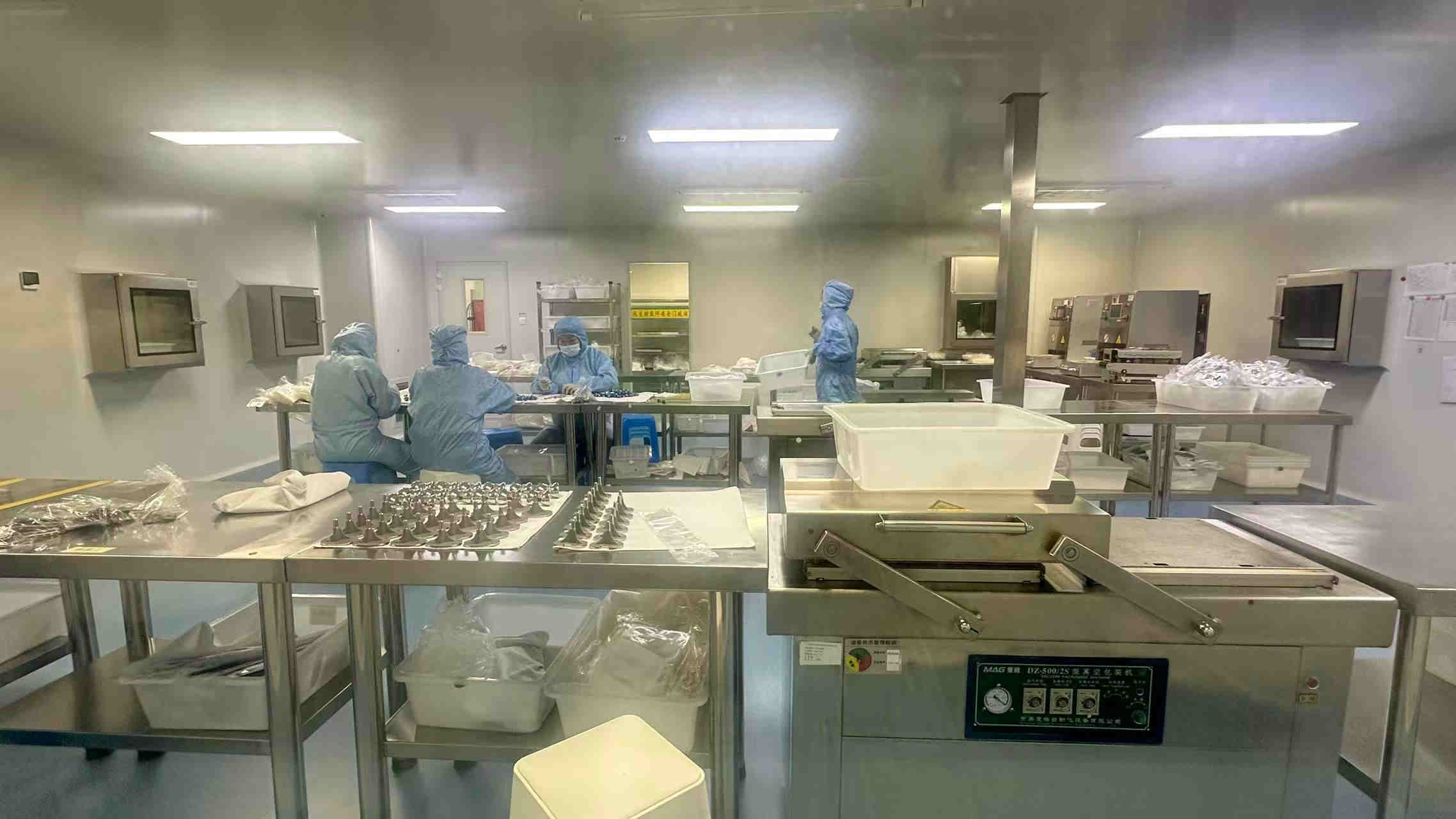
Inside Zhejiang Horaizon: The sequential engineering processes supporting high-precision orthopedic manufacturing.
Essential sourcing parameters for B2B buyers evaluating surgical power tools and orthopedic implant sets.
Prioritize high-durability tooling. Initial costs are balanced by thermal sealing resistance, which keeps units operational through repeated autoclaving cycles. Selecting high-grade materials reduces clinical maintenance overhead.
Select manufacturers who customize drill attachments, quick-coupling systems, and medical-grade cases. We offer customized product marking and packaging solutions tailored for specific commercial branding.
Verify that your supplier provides complete technical files, cleanroom packaging validations, sterilization certifications, and biological hazard reports. This documentation is essential for rapid customs clearance and local medical device registrations.
Optimizing surgical outcomes through the integration of surgical drills, trauma plates, and spinal implants.
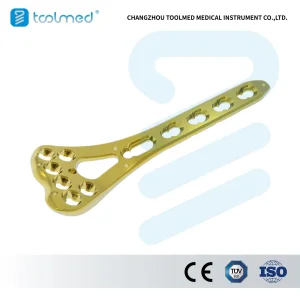
During trauma interventions, such as treating tibial or distal radius fractures, surgical drills drive pilot holes to host self-tapping cortical screws. Precision drilling prevents micro-fracturing along the bone channel. Using locking plates like the *Volar Distal Radius Locking Plate* provides stable fixation for early post-operative mobilization.
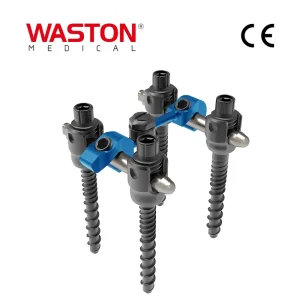
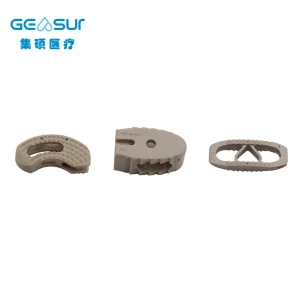
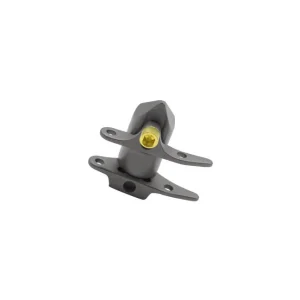
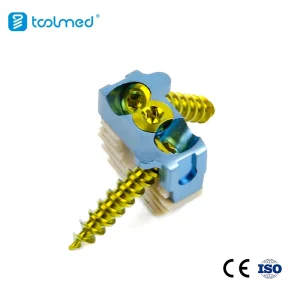
In complex spinal fusions, including TLIF or ACDF procedures, specialized micro-drills are used to remove osteophytes and prepare the bony vertebral endplates. High speed stability is critical when operating near sensitive neurological structures. This preparation ensures stable placement of PEEK cervical/lumbar interbody fusion cages and vertebral hook systems.
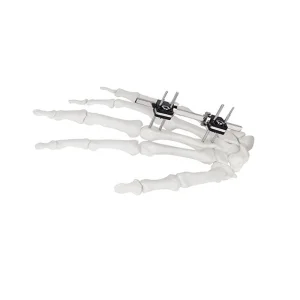
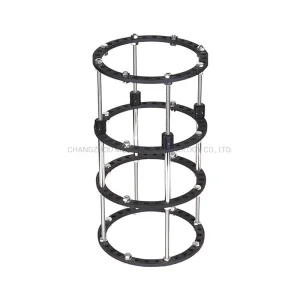
Surgical drills drive transfixion pins and half-pins through dense cortical bone during external fixation procedures. This step is critical for placing structures like the *Ilizarov Ring Fixator*. Precise drilling control prevents thermal injury to the bone, helping to secure the pins and reduce the risk of pin-tract infection or loosening.
In soft-tissue reattachment surgeries (e.g., rotator cuff or labral repairs), surgical drills create precise bone sockets to receive suture anchors. Proper socket sizing is critical to ensure high pull-out strength for both titanium and bioabsorbable suture anchors.
The technological innovations shaping the next generation of orthopedic surgical instrumentation.
Future handpieces will integrate directly with robotic systems and optical navigation platforms. This helps prevent drill deviation by tracking the drill tip's coordinates in real time relative to the patient's preoperative CT data.
Next-generation electronic speed controllers optimize electrical current flow. This reduces energy loss as heat, extending battery life and reducing thermal impact on handpieces during prolonged orthopedic procedures.
While single-use disposable templates are growing, reusable handpieces remain standard due to their high structural durability. Advances in sealing technology allow these systems to withstand over a thousand autoclaving sterilization cycles, reducing medical waste and total operating costs.
Detailed answers to standard technical and logistics inquiries from medical device distributors and hospital procurement divisions.
Explore our specialized orthopedic devices designed for complex spine corrections and internal fracture fixations.