Horaizon Orthopedic Implants
Horaizon Orthopedic Implants
Horaizon Orthopedic Implants
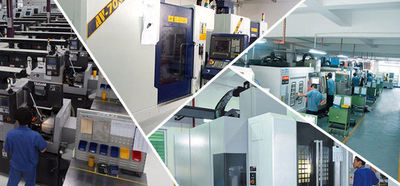

Zhejiang Horaizon Medical Device Co., Ltd. is an advanced medical enterprise integrating state-of-the-art research, precision manufacturing, and comprehensive global distribution channels. Specializing in high-performance orthopedic surgical instruments, implants, and joint stabilization solutions, we stand at the forefront of the orthopedic medical device ecosystem.
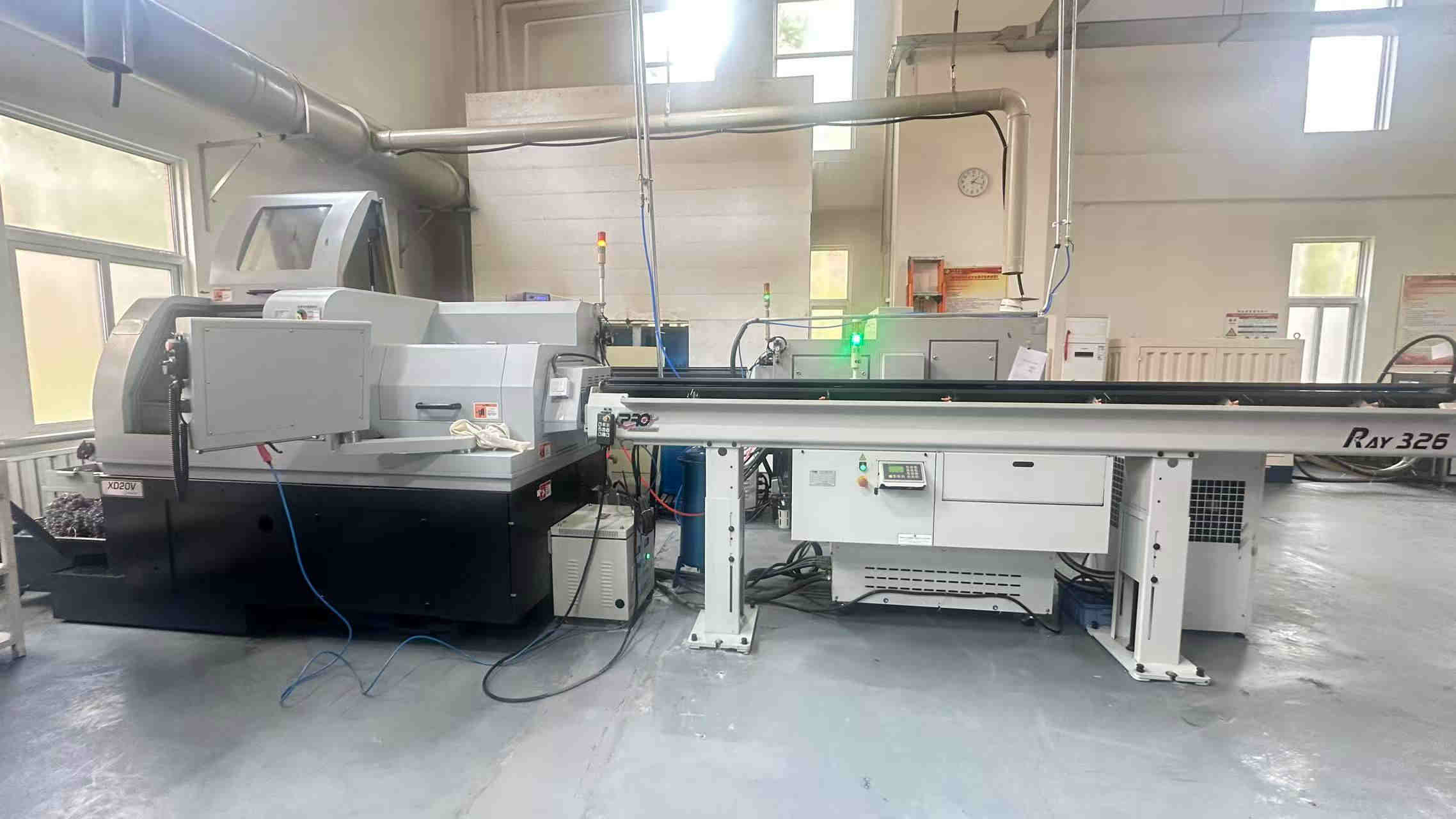
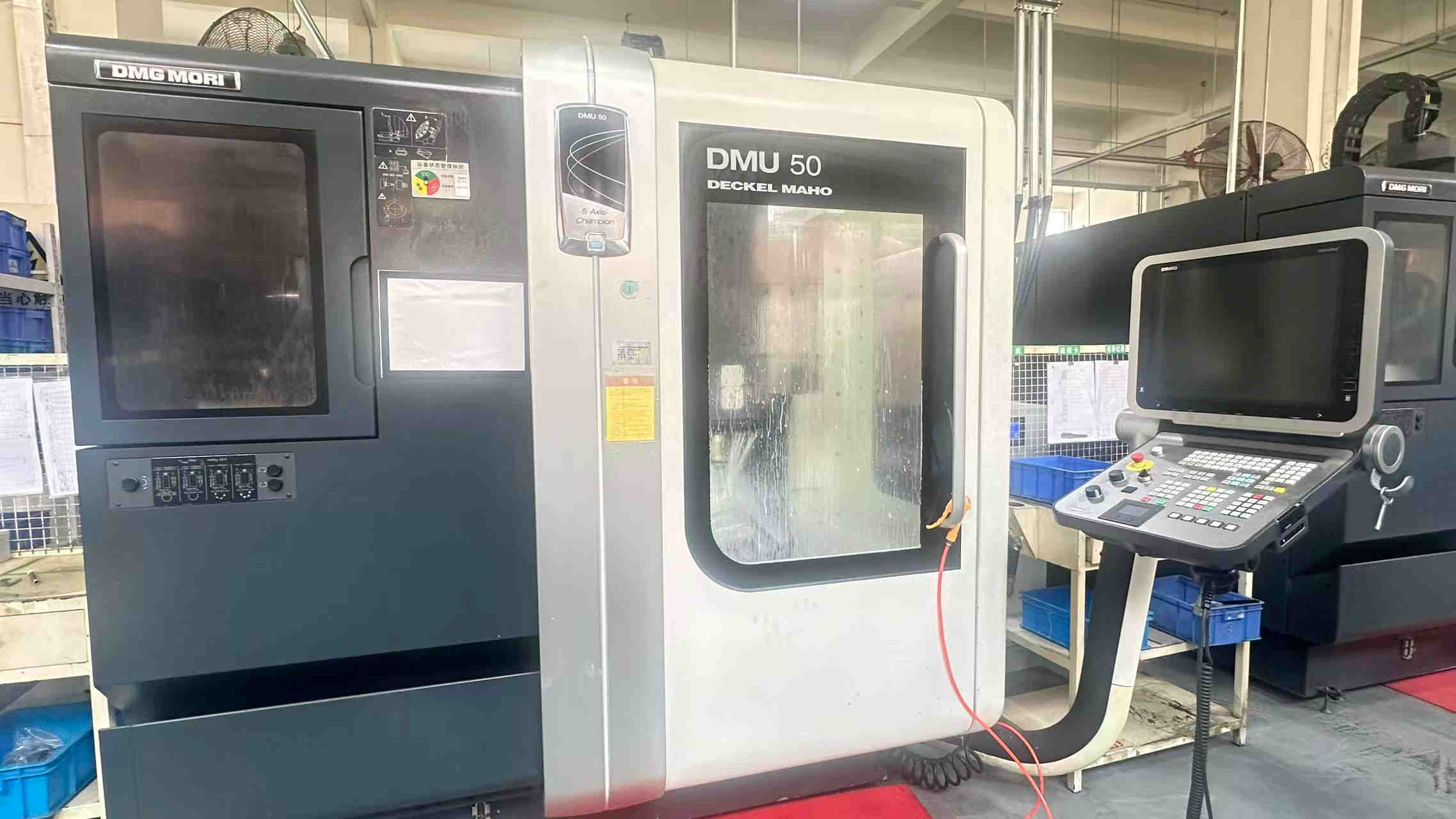
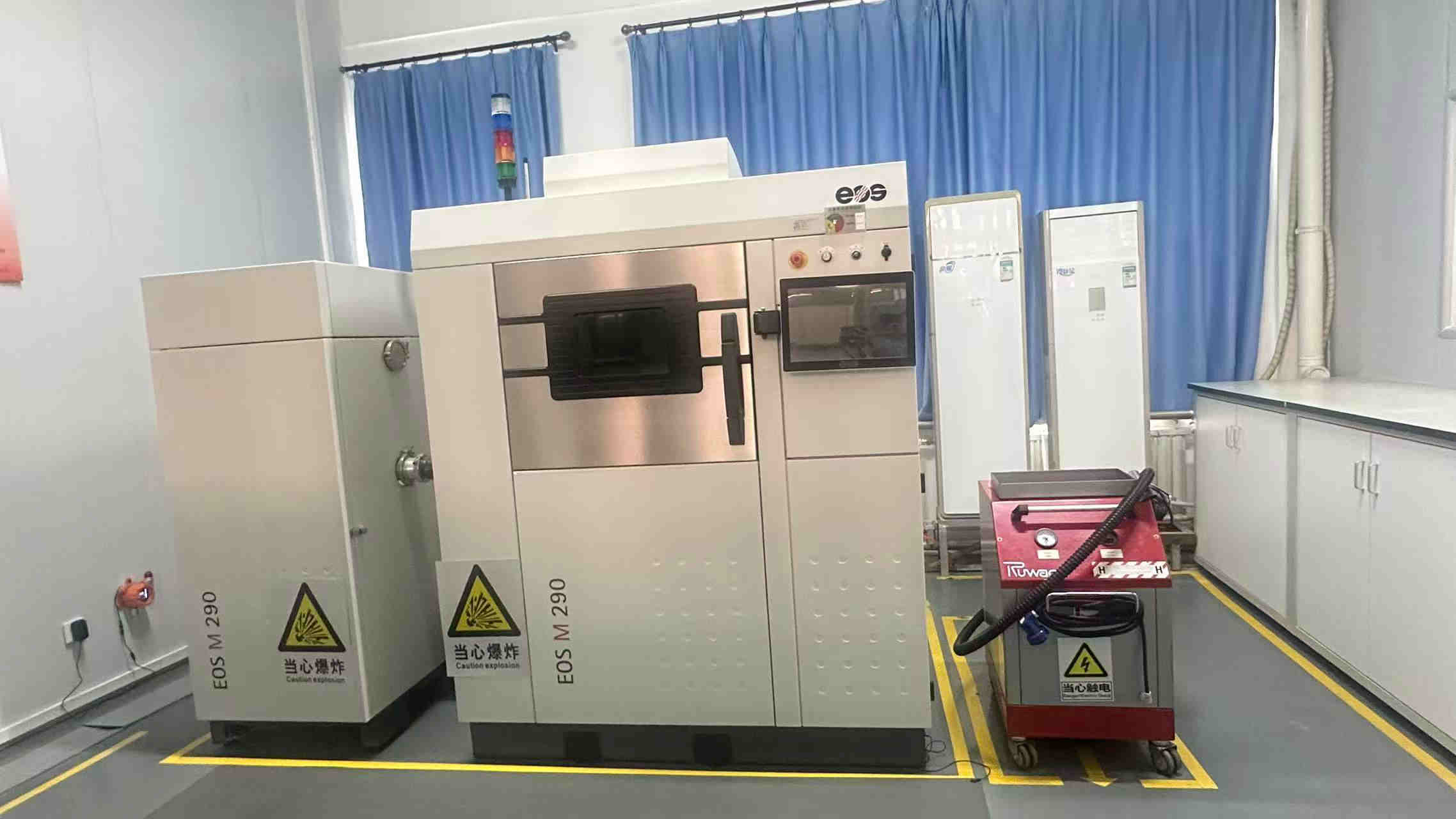
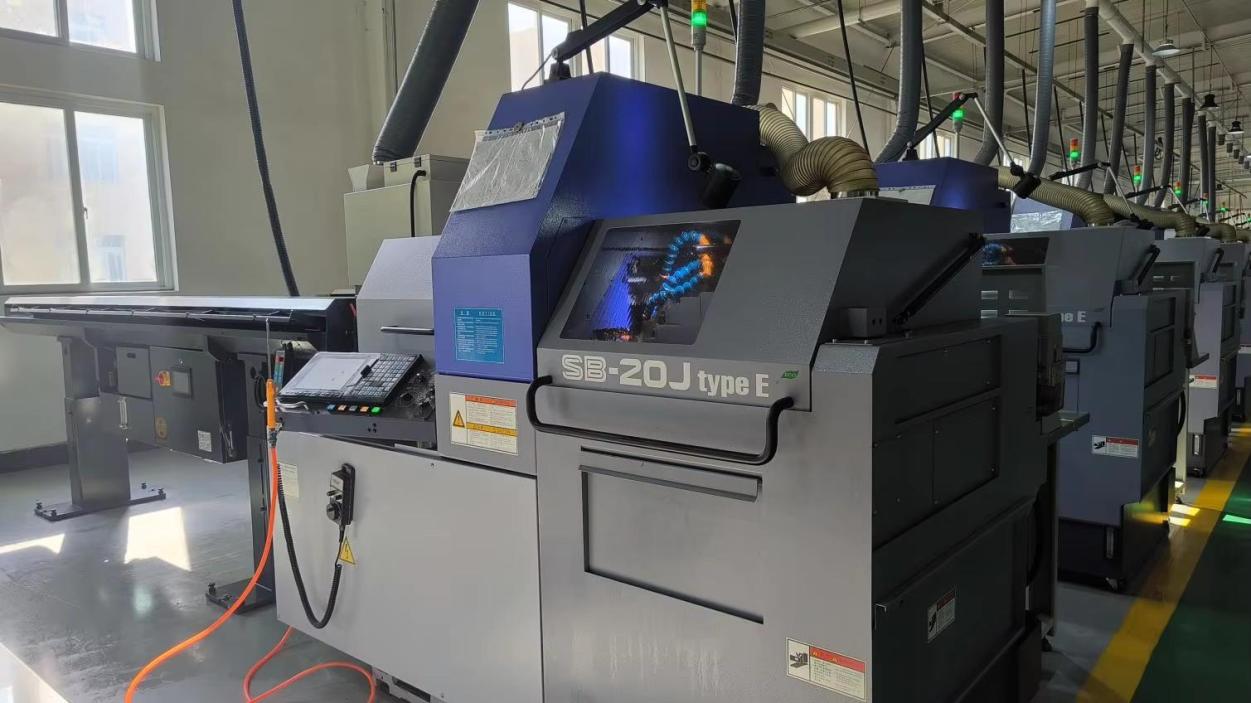
Our manufacturing complex possesses advanced production equipment with high-precision capabilities, tailored for large-scale production, accompanied by complete sets of precision testing instruments. A dedicated professional team leads our technical development, keeping us aligned with international scientific standards.
Our operational management is strictly built upon the ISO 9000 / ISO 13485 International Quality System Standards, as well as the YY/T0287 Medical Device Quality System Standard. We remain in pursuit of stable, advanced product technology with simple, convenient clinical operational functions.
Adhering to our core motto—"precision, professional, innovative"—Horaizon personnel strive to generate substantial value for the global medical community. We forge ahead daily, contributing to human health and happiness by delivering products of outstanding reliability.
Surgical cements, primarily Polymethyl Methacrylate (PMMA) based formulations, serve as the structural anchor in modern orthopedic arthroplasty, vertebroplasty, and traumatology. As joint replacement procedures surge due to aging populations and rising obesity rates, the demand for high-strength, anti-microbial, and fast-curing bone adhesives has evolved. For distributors, clinical purchasers, and global hospital systems, selecting an OEM/ODM partner requires evaluating materials science expertise alongside precision engineering capabilities.
Modern clinical applications require bone cements that do more than merely fill structural gaps. Key shifts in the industry include:
With periprosthetic joint infection (PJI) presenting a severe clinical challenge, pre-blended antibiotic-loaded cements (incorporating Gentamicin, Tobramycin, or Vancomycin) have become the default standard for revision surgeries, providing localized prophylaxis without systemic toxicity.
Surgeons demand specialized viscosity phases. High-viscosity cements provide instant initial stability and reduce surgical wait times. Medium-to-low viscosity formulations allow precise micro-interlocking during cementation in osteoporotic bone beds.
Next-generation R&D focuses on integrating bio-conductive elements, encouraging osseointegration at the cement-bone boundary, and minimizing the aseptic loosening that currently prompts revision procedures.
Healthcare buyers are shifting from simple cost-minimization toward comprehensive lifecycle stability. Critical factors for procurement managers include:
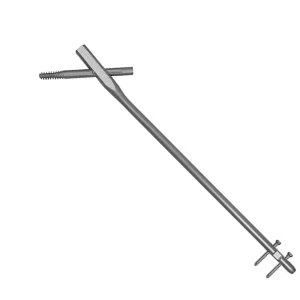
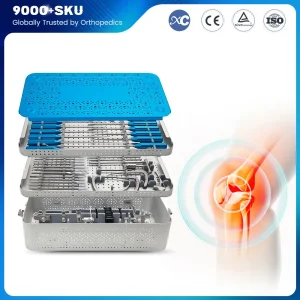
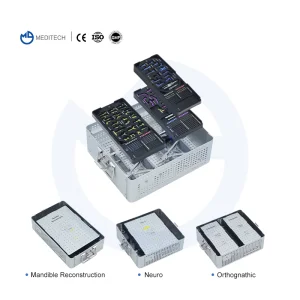
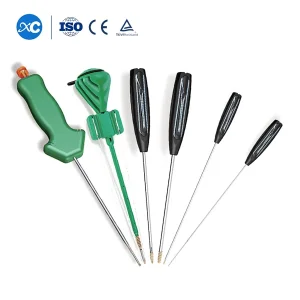
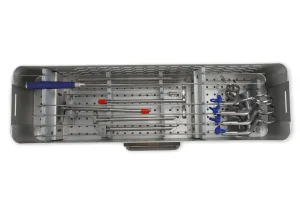
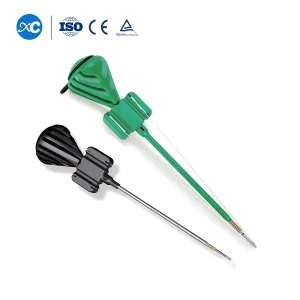
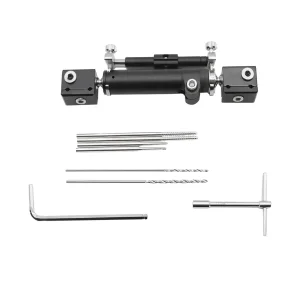
Zhejiang Horaizon Medical delivers integrated systems that combine implants with precise, custom instrumentation. We minimize intraoperative error by providing surgeons with perfectly calibrated orthopedic kits (plates, nails, and anchors) along with the tools required for placement. Our CNC-machined instruments feature exact dimensions and ergonomic handling, ensuring precise alignment during clinical application.
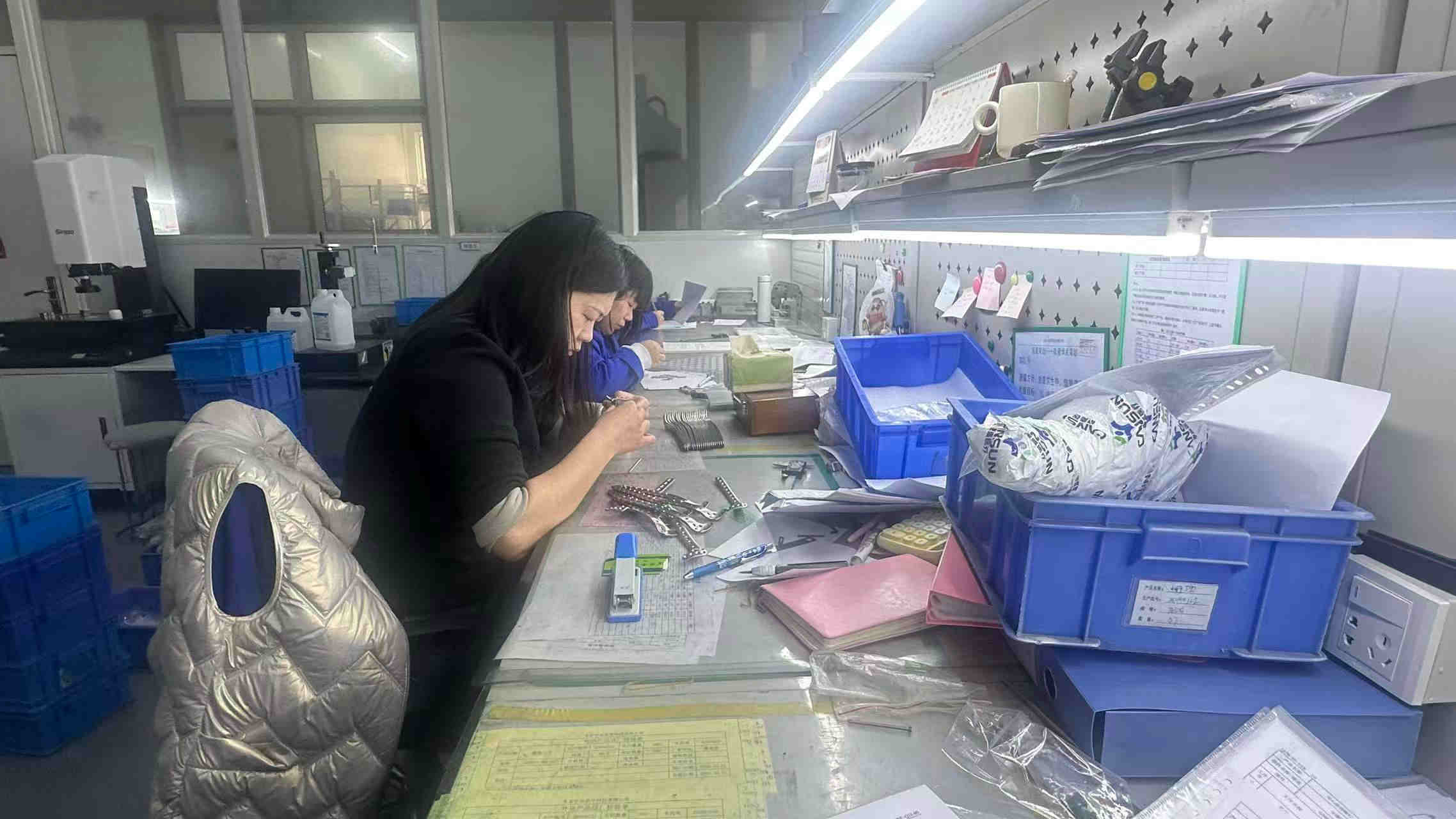
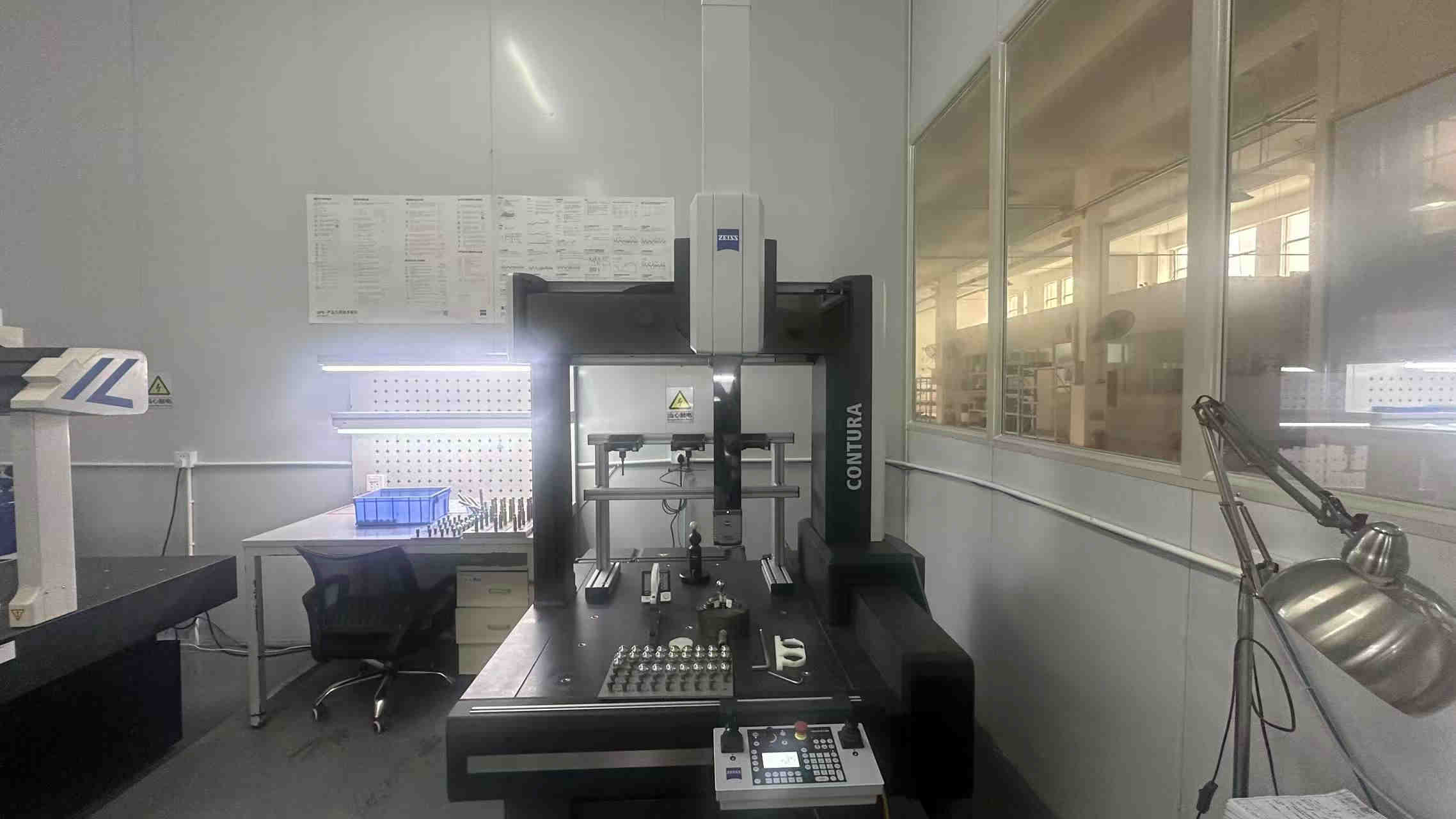
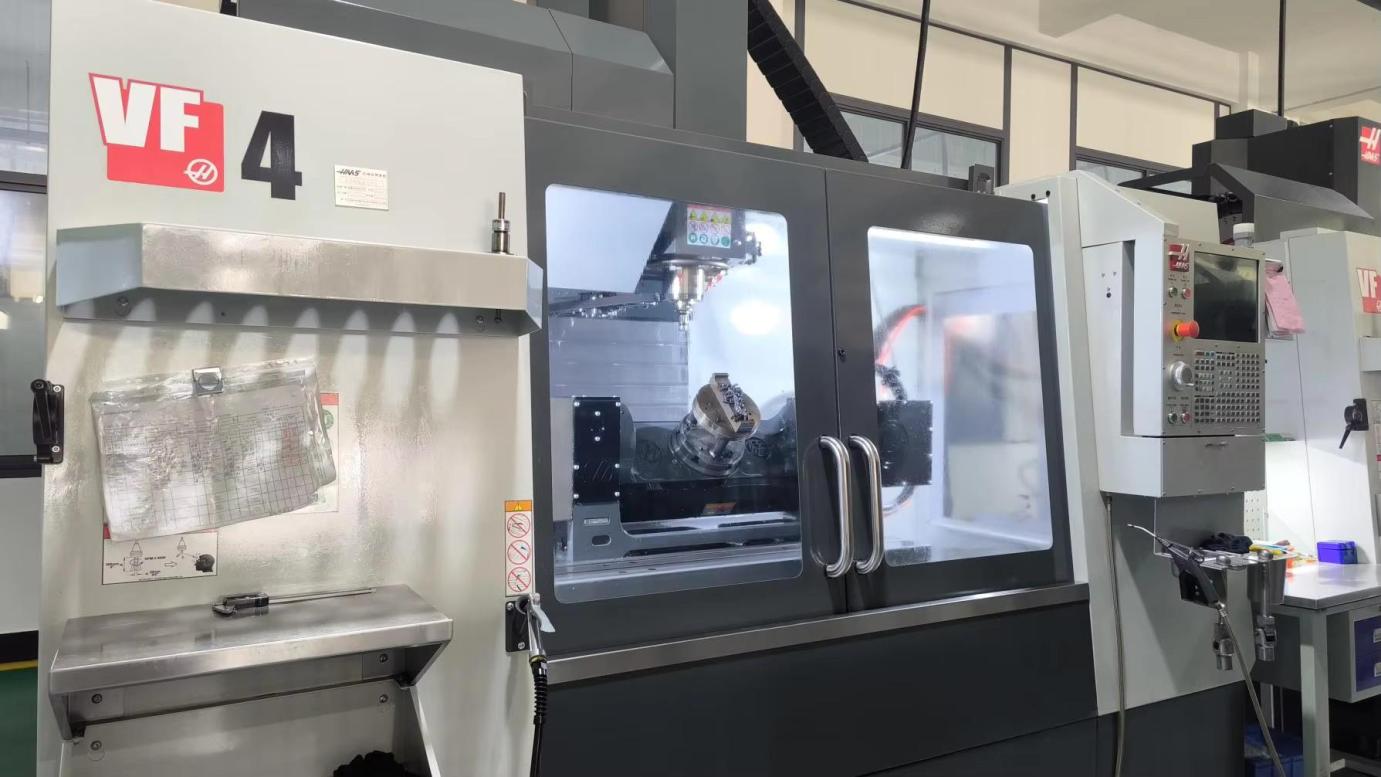
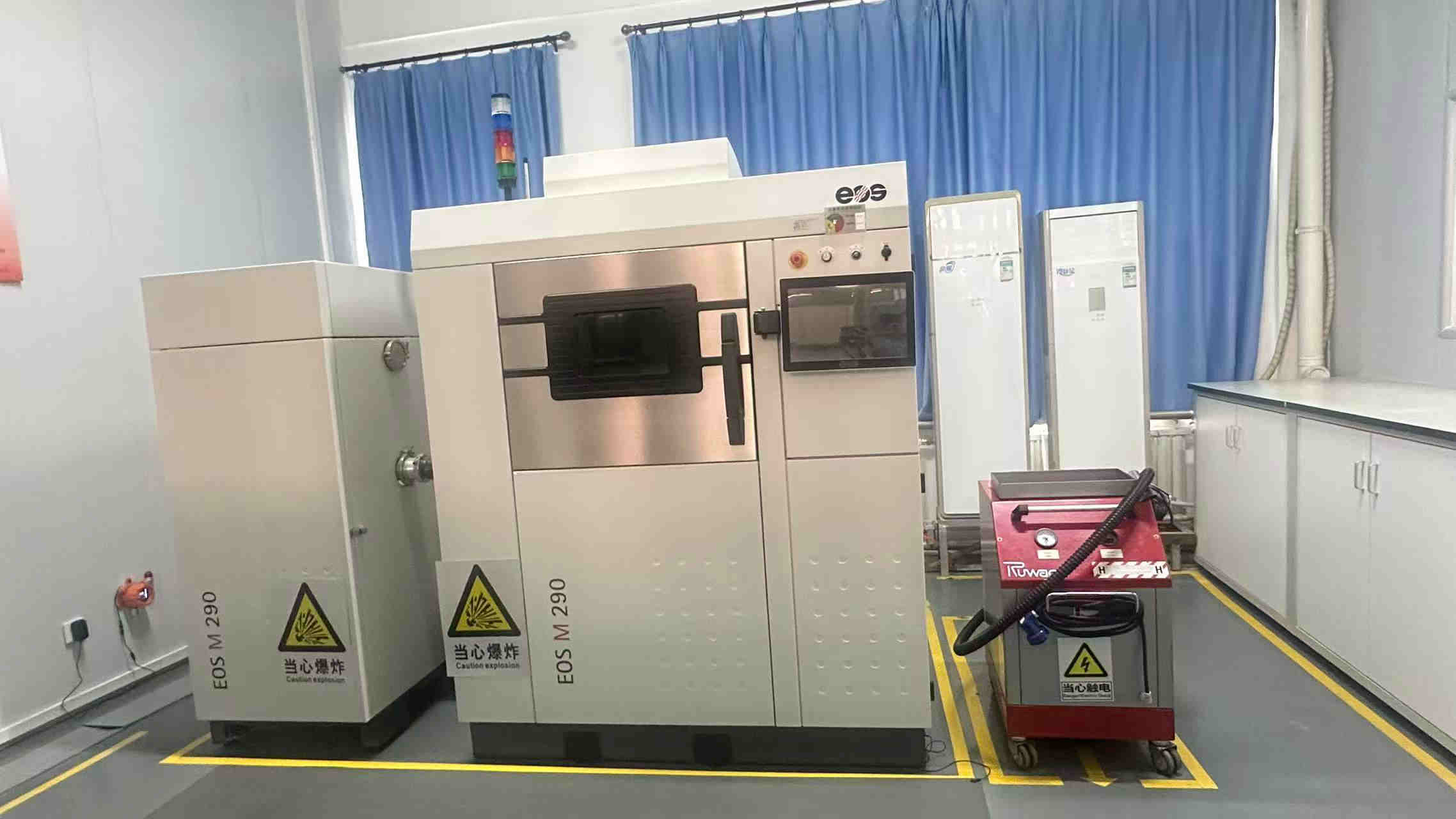
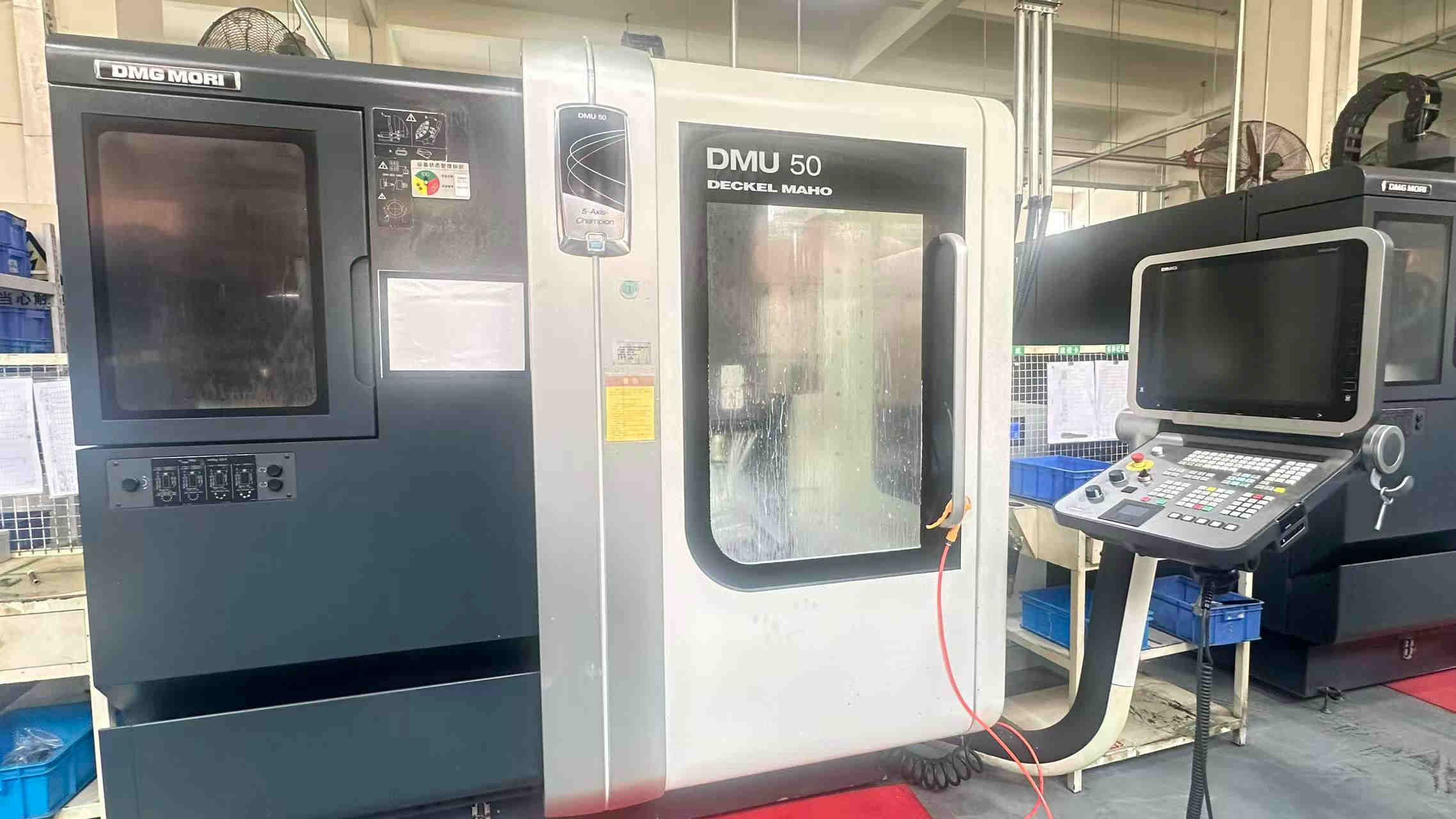
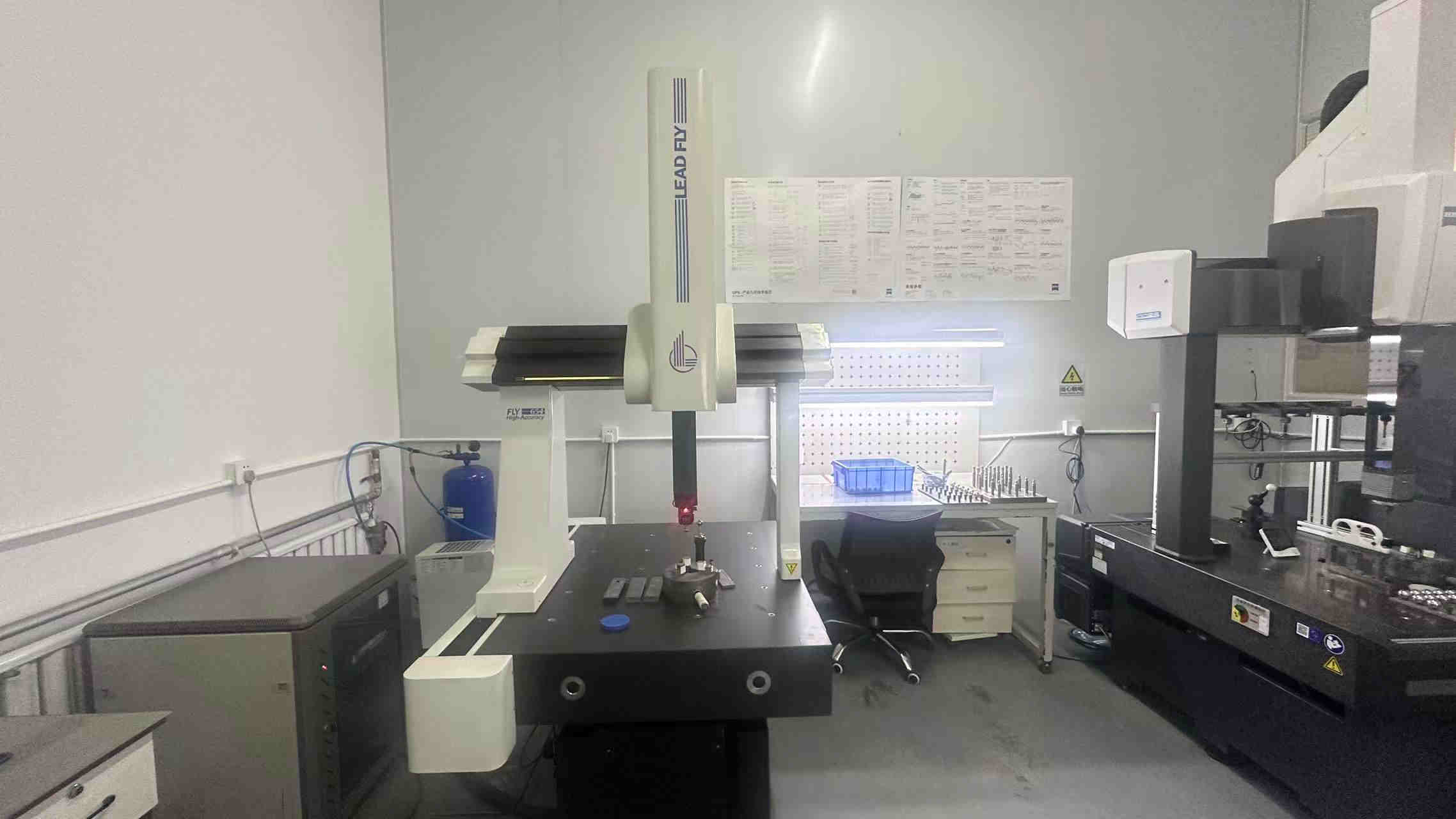
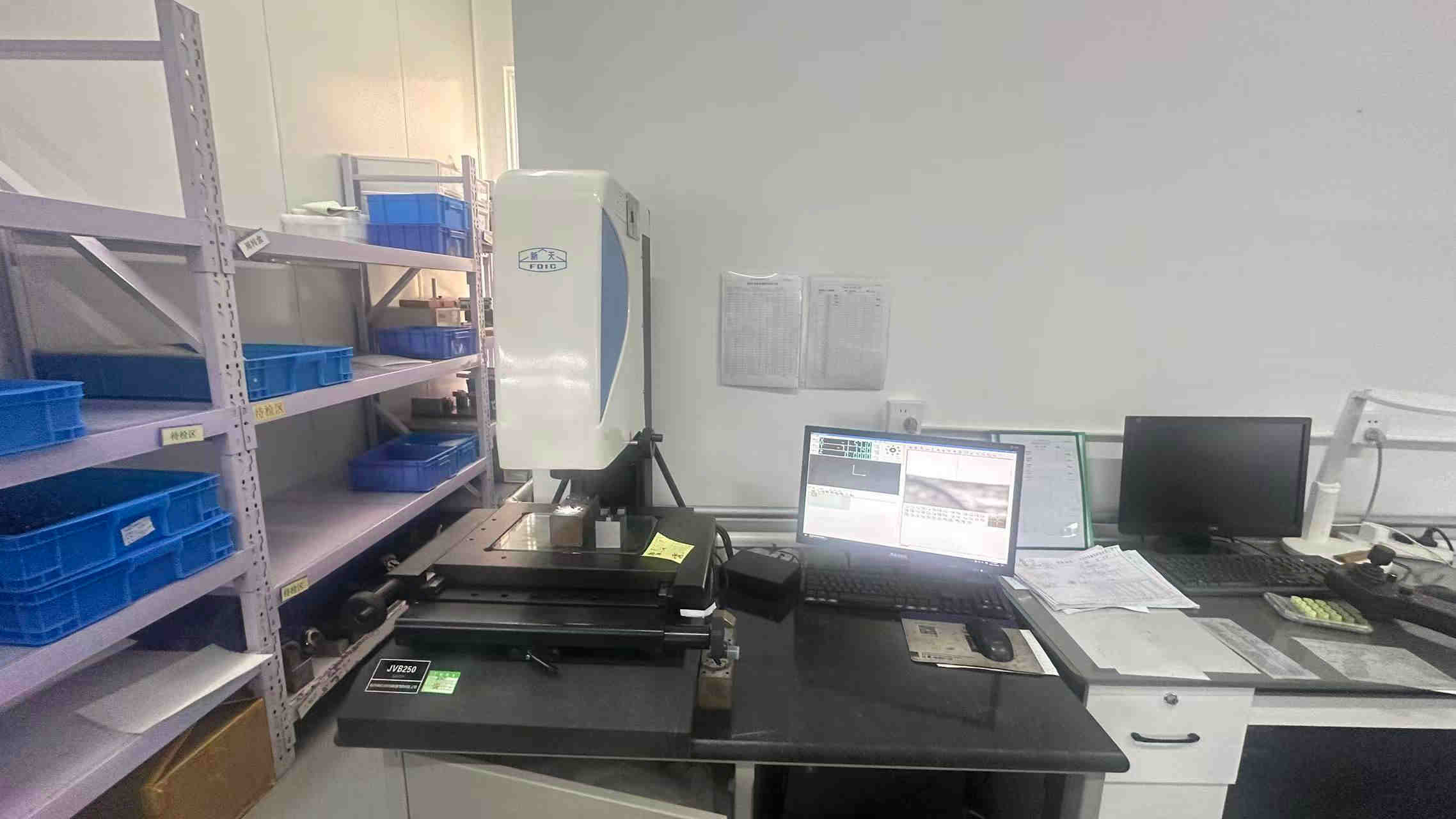
Precision and safety are non-negotiable in orthopedic surgery. Our manufacturing floor features automated coordinate checking systems (CMM) and digital image analysis. Every orthopedic implant and accompanying instrument undergoes micro-structural inspection, ensuring conformity to designed tolerances. This rigorous oversight ensures compliance with major international standards:
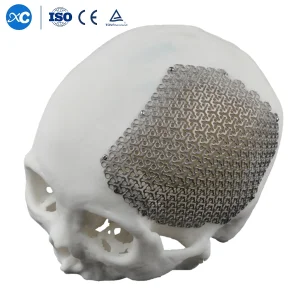
The convergence of 3D metal printing and polymer chemistry is redefining fixation solutions. By using selective laser melting (SLM) printers, we manufacture customized titanium meshes and cages that replicate a patient's natural bony anatomy. Looking forward, our R&D targets antibiotic-eluting coatings and biodegradable polymers. These advancements will provide durable structural support while dissolving safely once bone regeneration is complete.
Surgical cement, primarily based on Polymethyl Methacrylate (PMMA), consists of a powder monomer and a liquid initiator. When mixed, they form a paste that cures into a solid anchor, filling spaces between prostheses and native bone. It functions as a structural buffer to distribute mechanical stress evenly across the bone-implant interface.
Our quality system is verified by ISO 13485 and YY/T0287. We utilize high-end inspection instruments, including Coordinate Measuring Machines (CMM) for dimensional verification, alongside image analyzers to check material morphology. This ensures all implants and instruments conform to strict clinical standards.
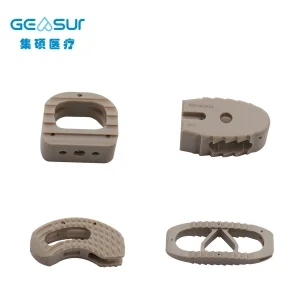
Yes. Utilizing advanced 3D metal printing technology and CNC machining centers, we produce customized cranial mesh systems, spine interbody fusion cages (PEEK and Titanium-coated), and customized surgical instrument plates tailored to client specifications.
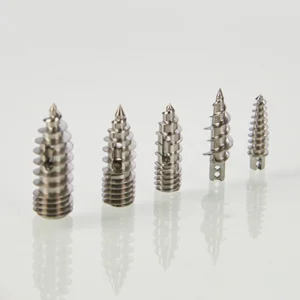
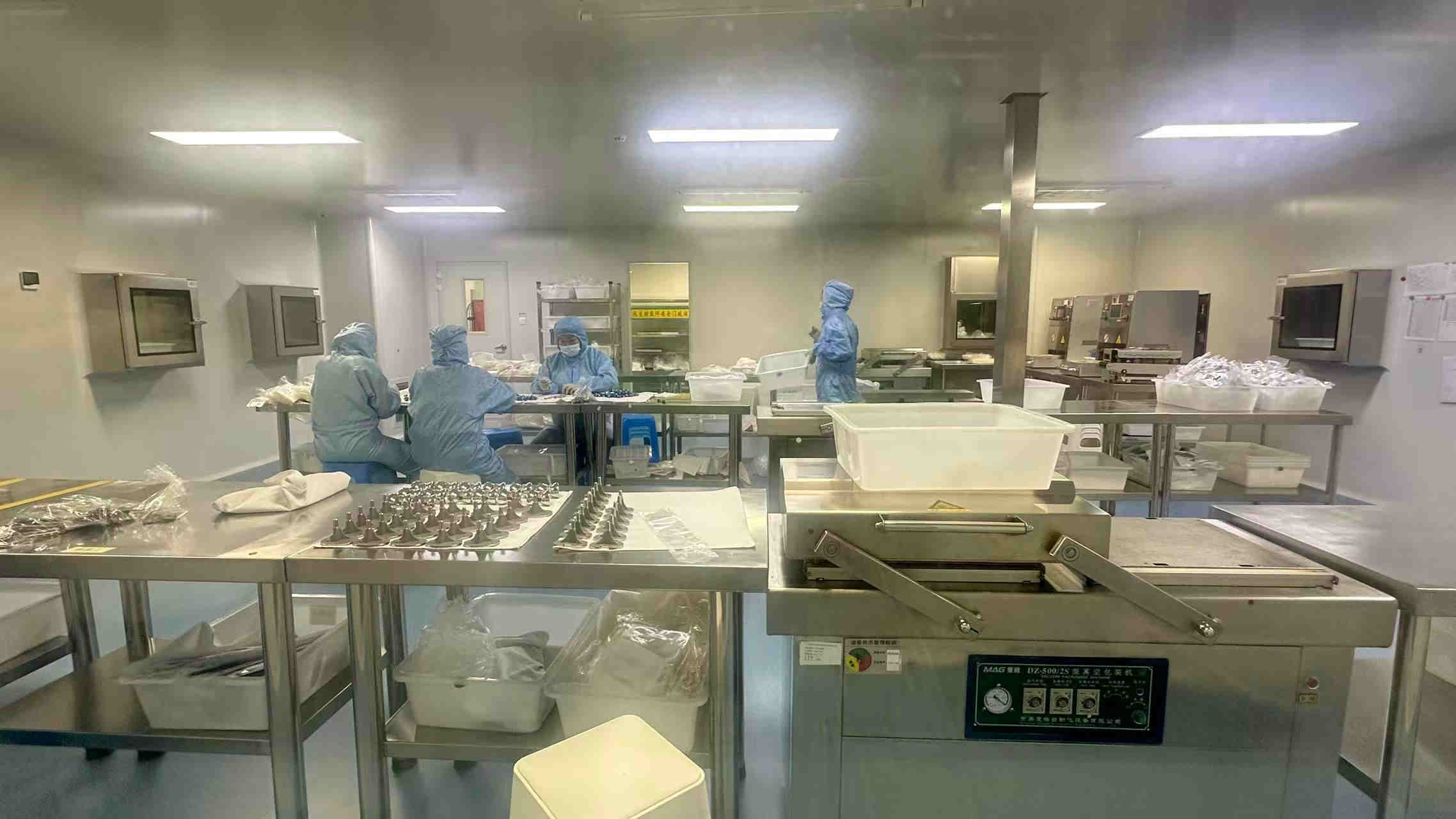
All surgical implants (including suture anchors, femoral intramedullary nails, and screws) are packaged in medical-grade sterile barrier materials. Every batch is certified for sterility and sterilization validation, ensuring long-term shelf stability during international shipping.
High-viscosity formulations allow rapid fixation, reducing surgery times. Medium and low-viscosity formulations flow easily into small bone cavities, making them ideal for osteoporotic patients and complex revision surgeries.