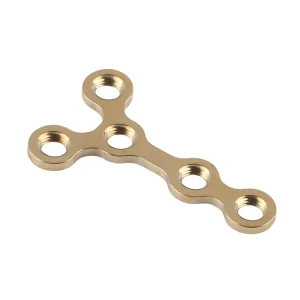
Horaizon Orthopedic Implants
Horaizon Orthopedic Implants
Horaizon Orthopedic Implants
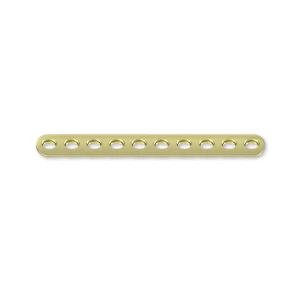
Explore our cutting-edge orthopedic instrument sets, locking plates, and custom surgical assemblies.
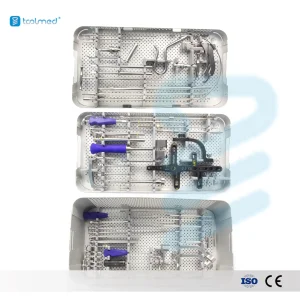
The convergence of minimally invasive surgery and smart metallurgical engineering.
The global healthcare ecosystem is witnessing a paradigm shift toward Minimally Invasive Surgery (MIS). Endoscopic instruments and advanced orthopedic implants are at the forefront of this evolution. By reducing incision sizes, minimizing post-operative trauma, and shortening hospital stays, these instruments have become indispensable assets in modern hospitals, specialized trauma clinics, and surgical centers. Driven by an aging population and rising sports-related injuries, the demand for precision orthopedic implants and specialized instrumentation is experiencing exponential growth.
Within this expanding landscape, medical device distributors and procurement departments face strict challenges: they must source instruments that balance tight dimensional tolerances, absolute biocompatibility, and cost-effectiveness. In response, modern medical manufacturing centers are moving beyond traditional casting. By integrating sub-micron CNC machining, medical-grade additive manufacturing (3D printing), and bio-inert coatings, contemporary factories deliver high-performance surgical components that meet stringent regulatory compliance frameworks worldwide.
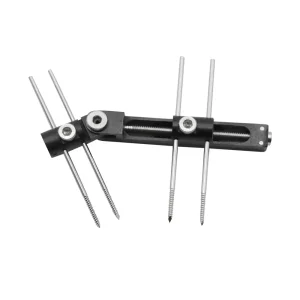
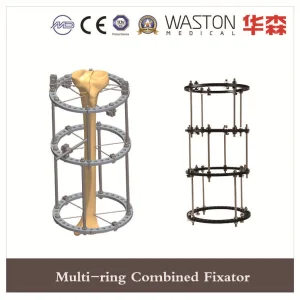
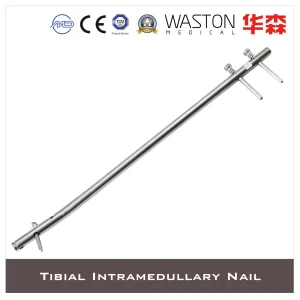
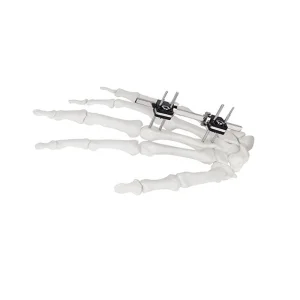
Choosing the right material is vital in orthopedic and endoscopic engineering. High-strength titanium alloys (such as Ti-6Al-4V ELI) and medical-grade stainless steel (316LVM) are the standards for load-bearing applications like tibial intramedullary nails and external fixators. Titanium offers superior biocompatibility and a lower modulus of elasticity, which reduces stress shielding. Stainless steel, on the other hand, provides excellent mechanical strength and stiffness for complex fracture sets.
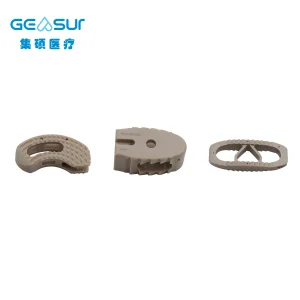
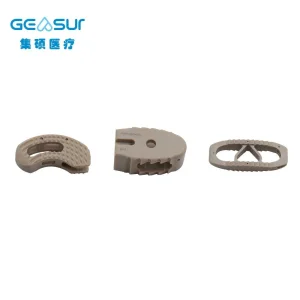
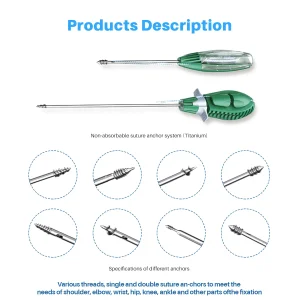
In soft tissue repairs, such as arthroscopic shoulder stabilization or knee joint reconstruction, biomaterials like PEEK (Polyetheretherketone) have revolutionized implant design. PEEK knotless suture anchors provide high mechanical stability, are radiolucent (allowing clear post-operative imaging), and cause minimal artifact interference during MRI scans. This specialized material design is essential for modern sports medicine and joint reconstruction.
Engineering precision, reliability, and innovation for global orthopedic patient care.
Zhejiang Horaizon Medical Device Co., Ltd. is a comprehensive enterprise that combines development, manufacture, and sales, specializing in high-performance orthopedic medical devices. Our facilities feature advanced, high-precision manufacturing equipment and complete suites of testing instrumentation. We run a dedicated technical development team focused on bringing innovative orthopedic and trauma solutions to the market.
Our quality management systems are certified to ISO 9000 / ISO 13485 international standards and YY/T0287 medical device quality specifications. We focus on continuous improvement to deliver stable product performance and user-friendly operation. Guided by our philosophy of "precision, professional, innovative," we strive to generate value for healthcare providers and support human health and recovery.

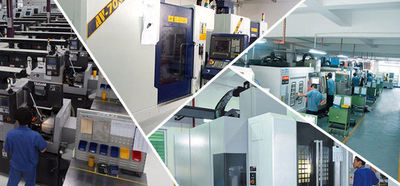
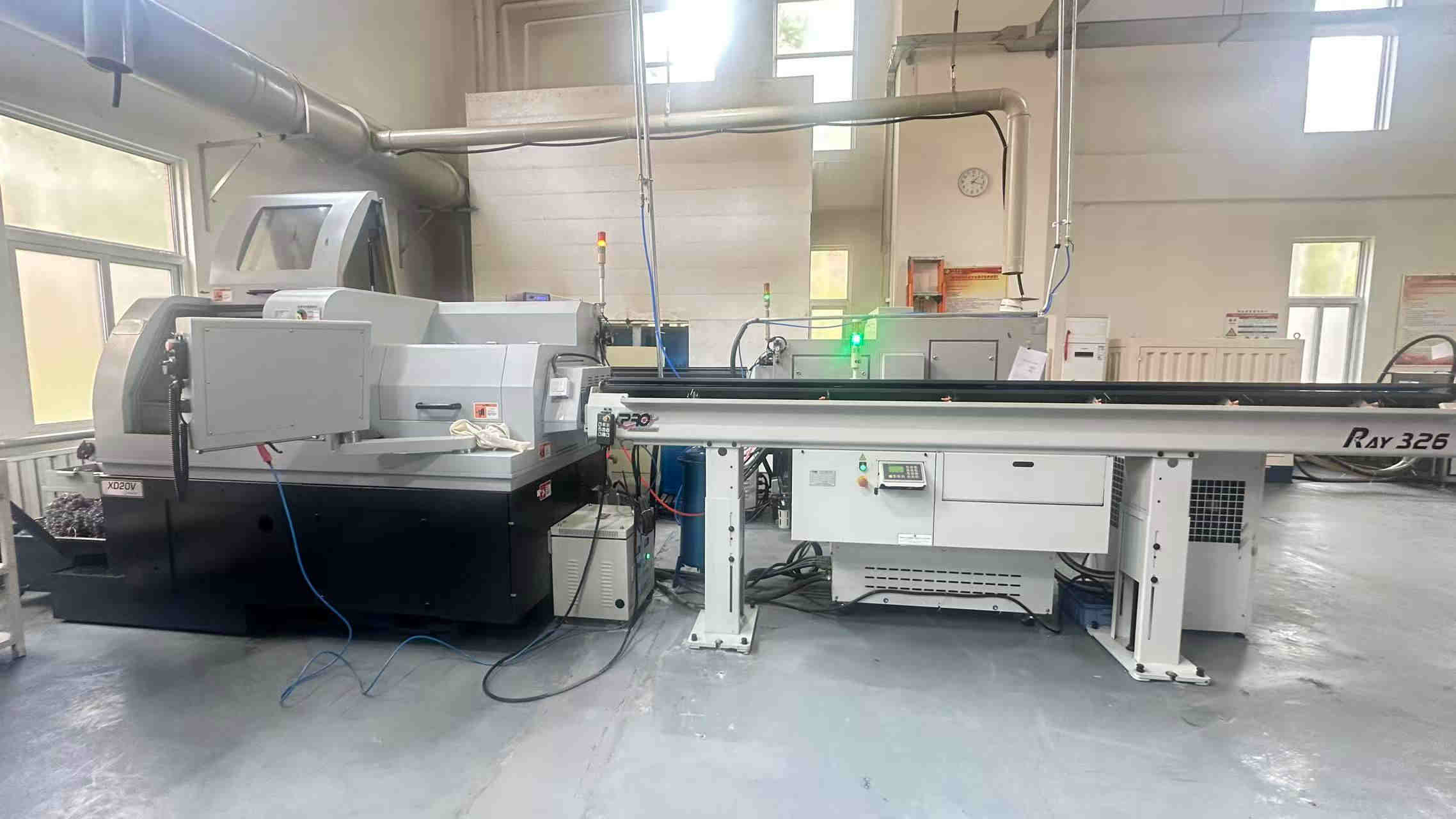
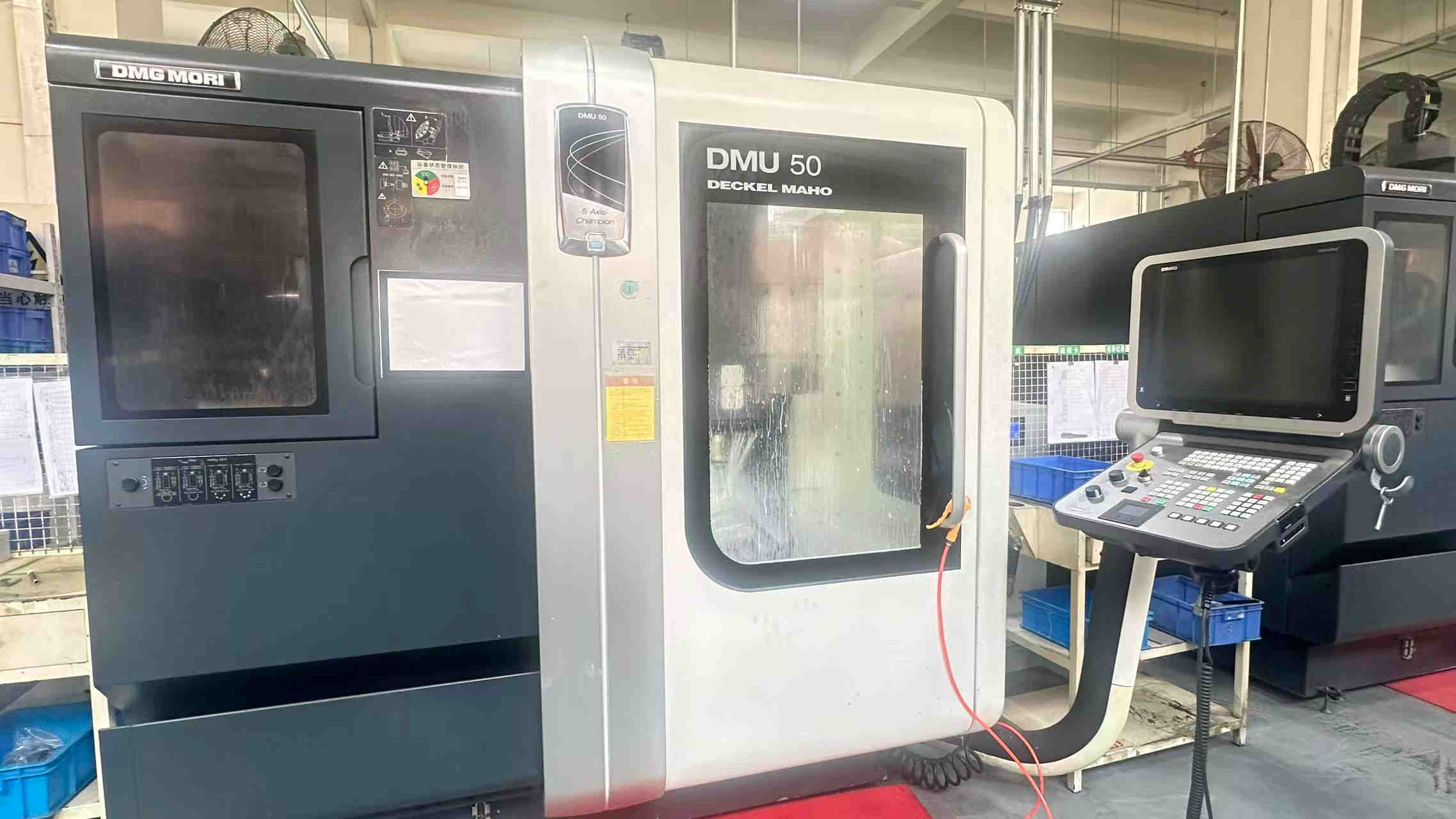
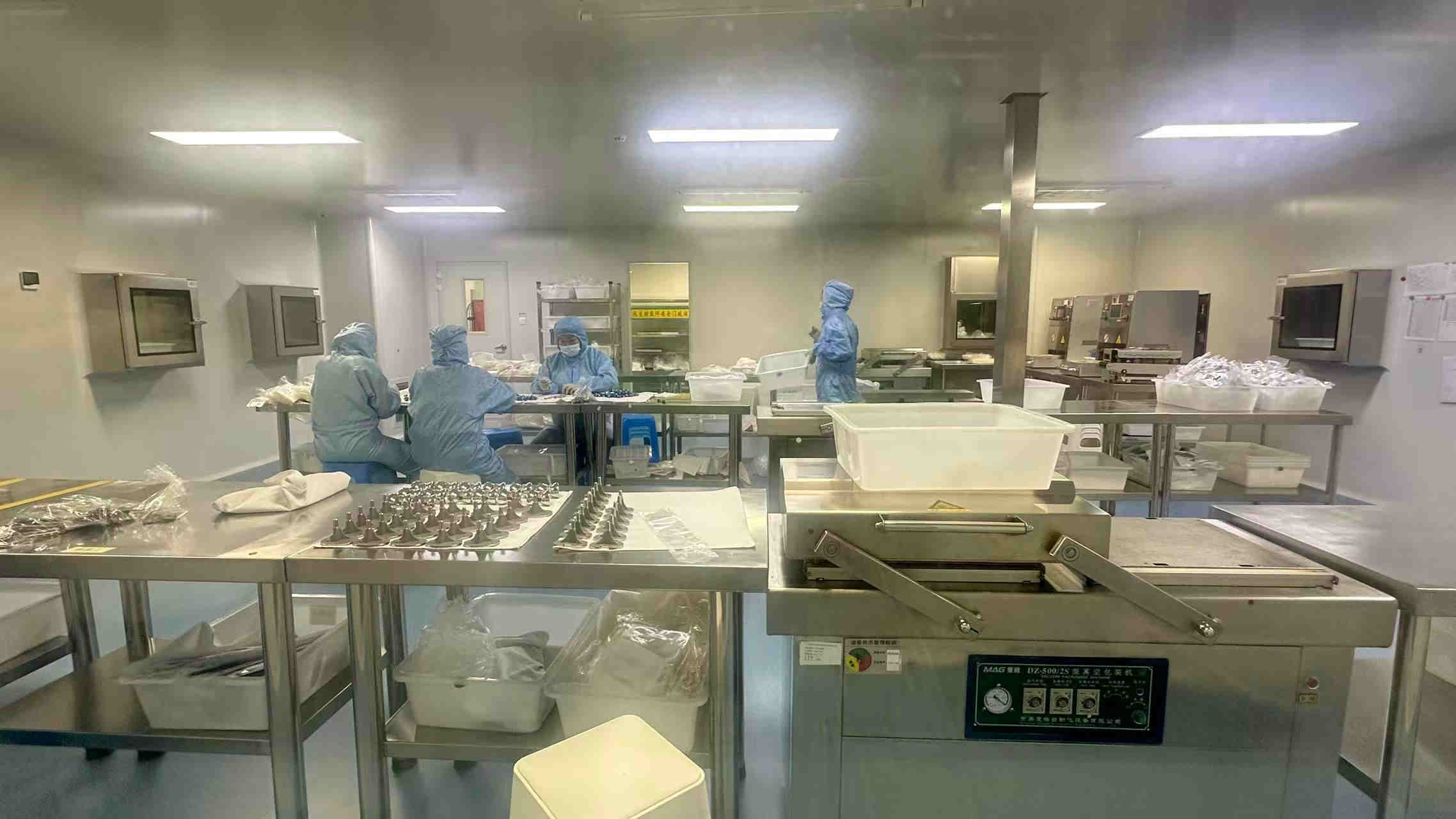
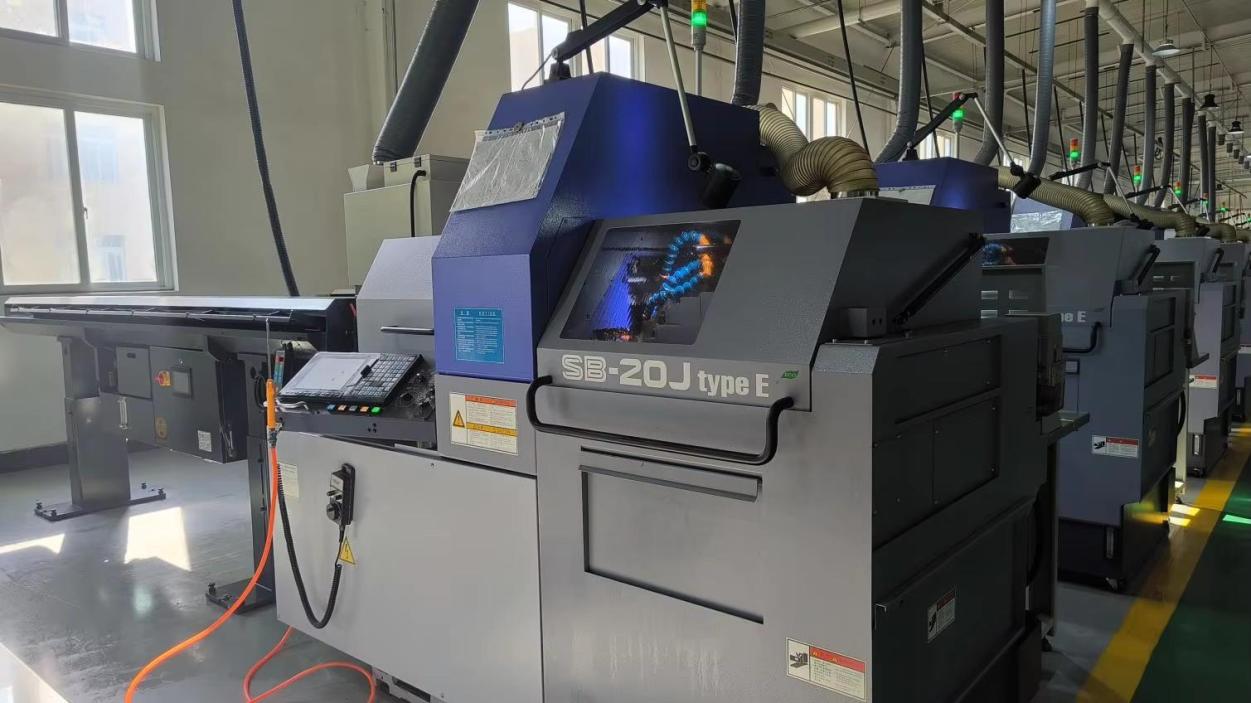
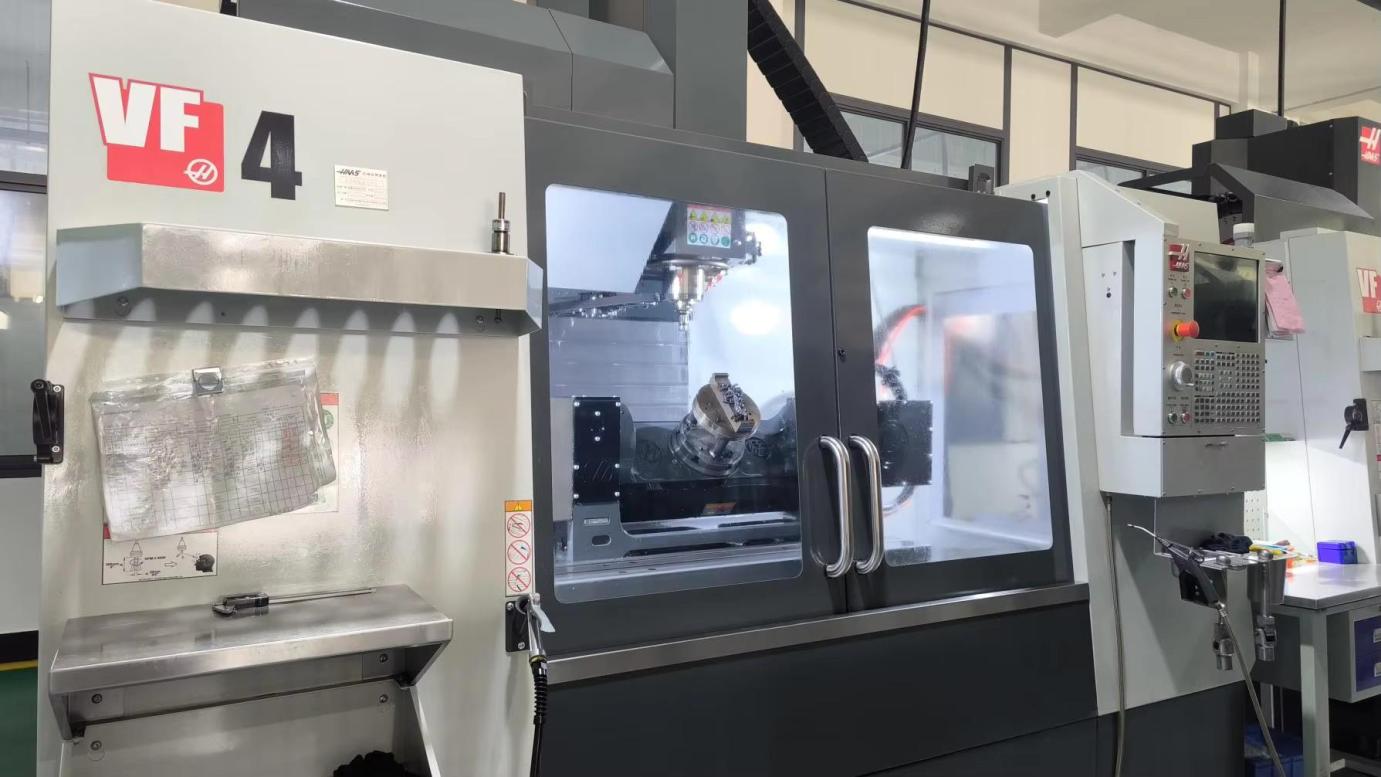
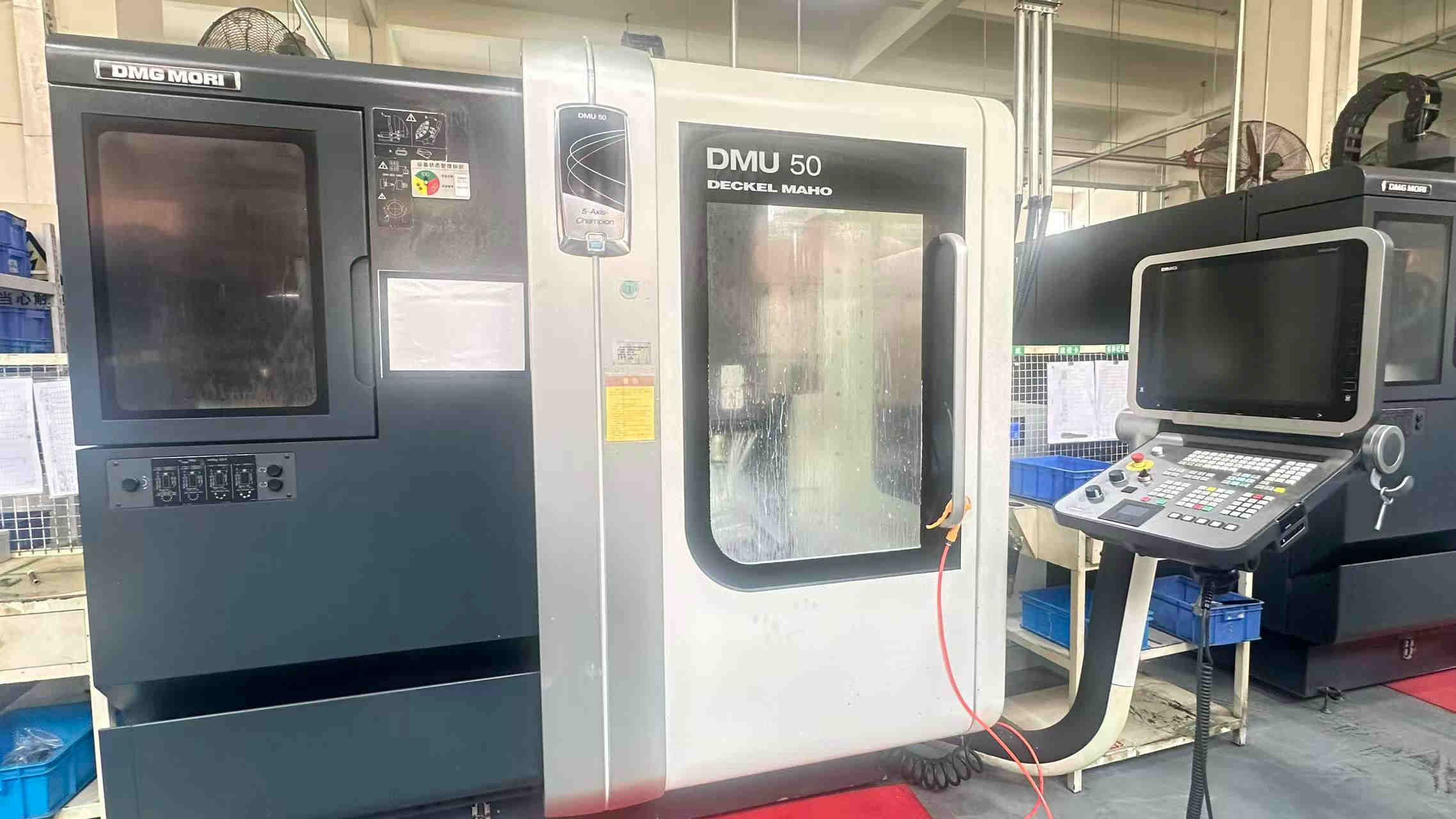
Equipped with advanced multi-axis CNC machines and Swiss-style lathe centers, our facility produces complex components under tight tolerances. We control every stage of production in-house—from rough machining to cleanroom packaging and sterilization. This unified production line allows us to maintain strict quality standards, offering our partners competitive pricing and dependable delivery timelines.
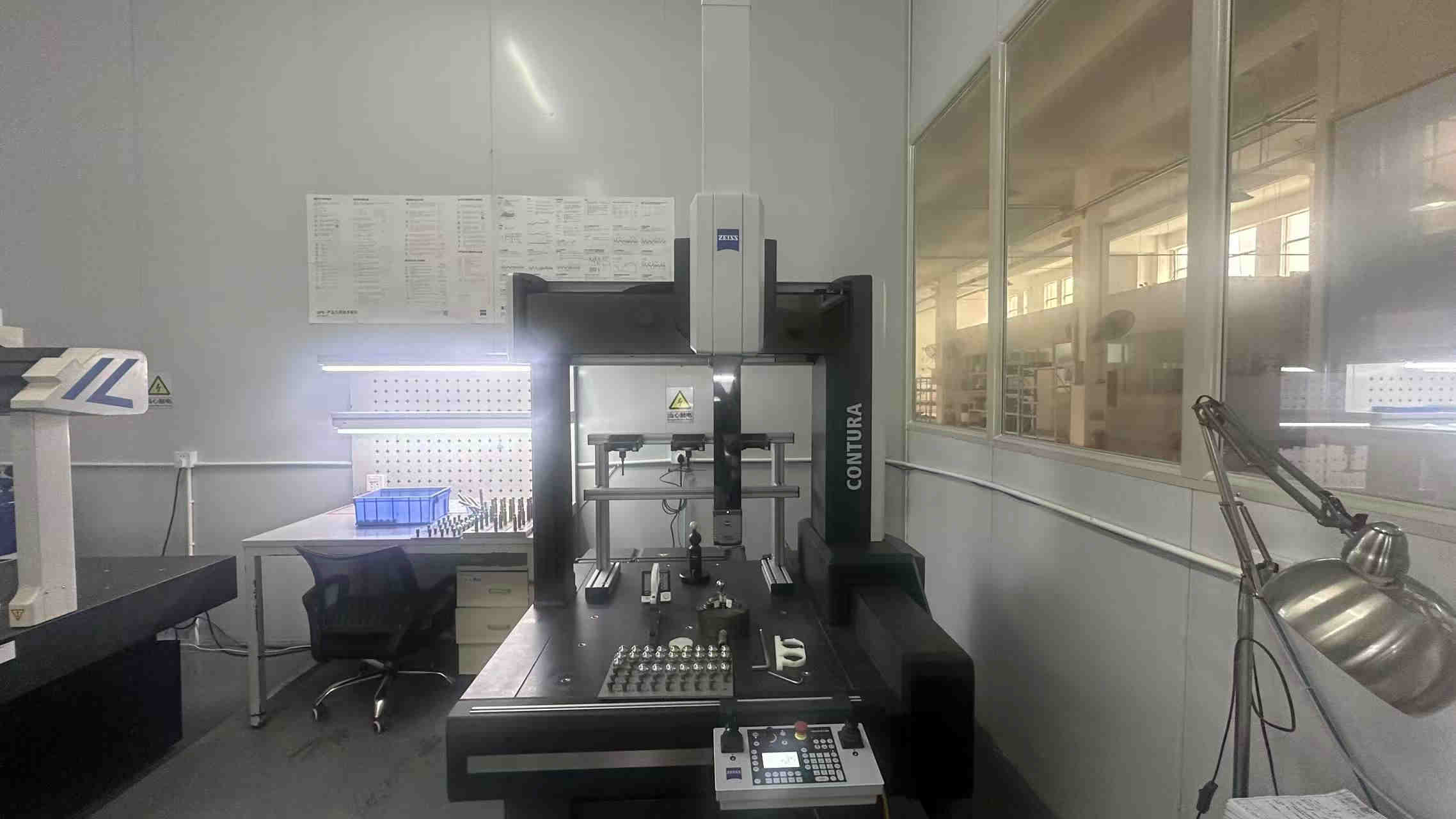
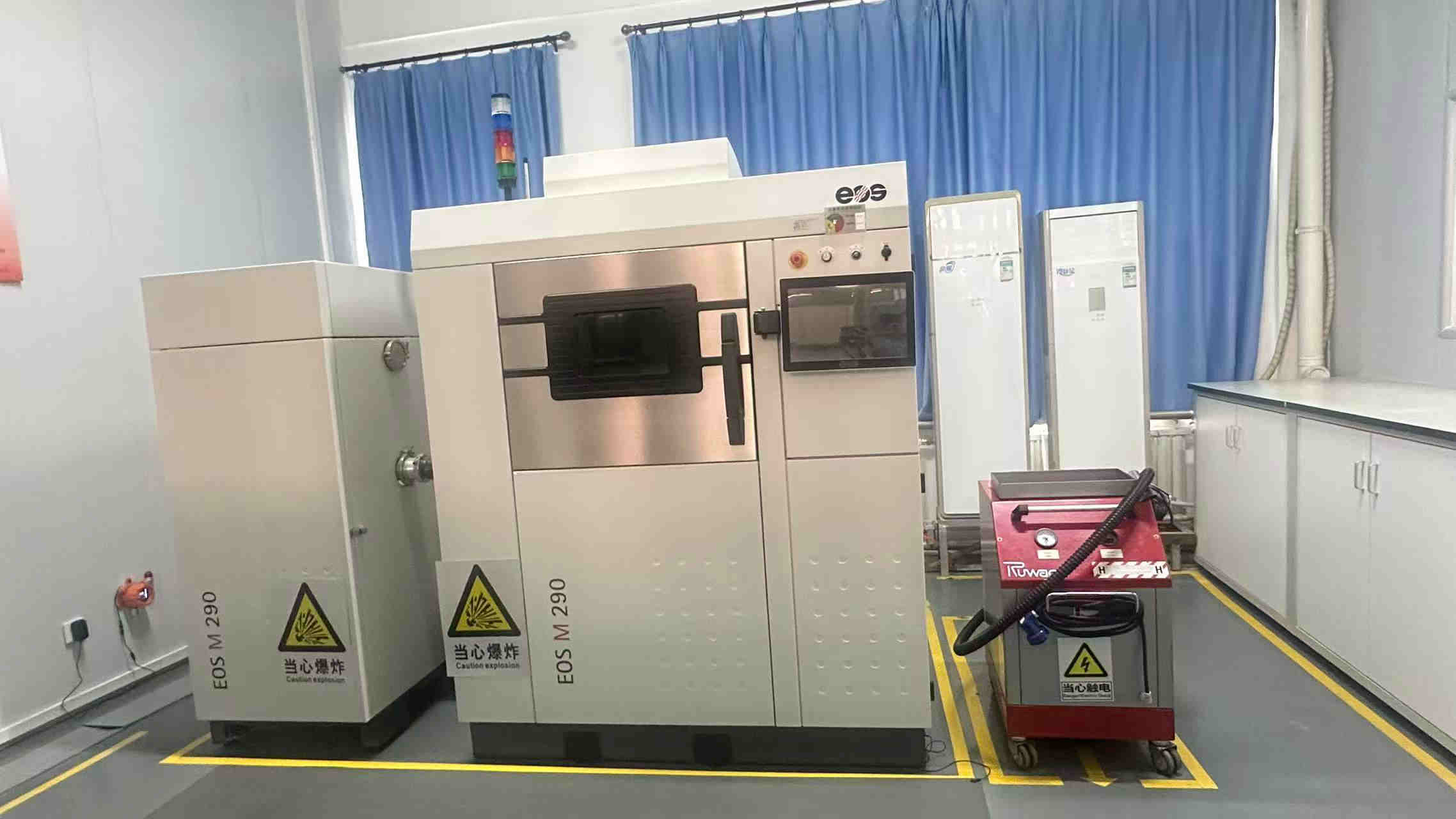
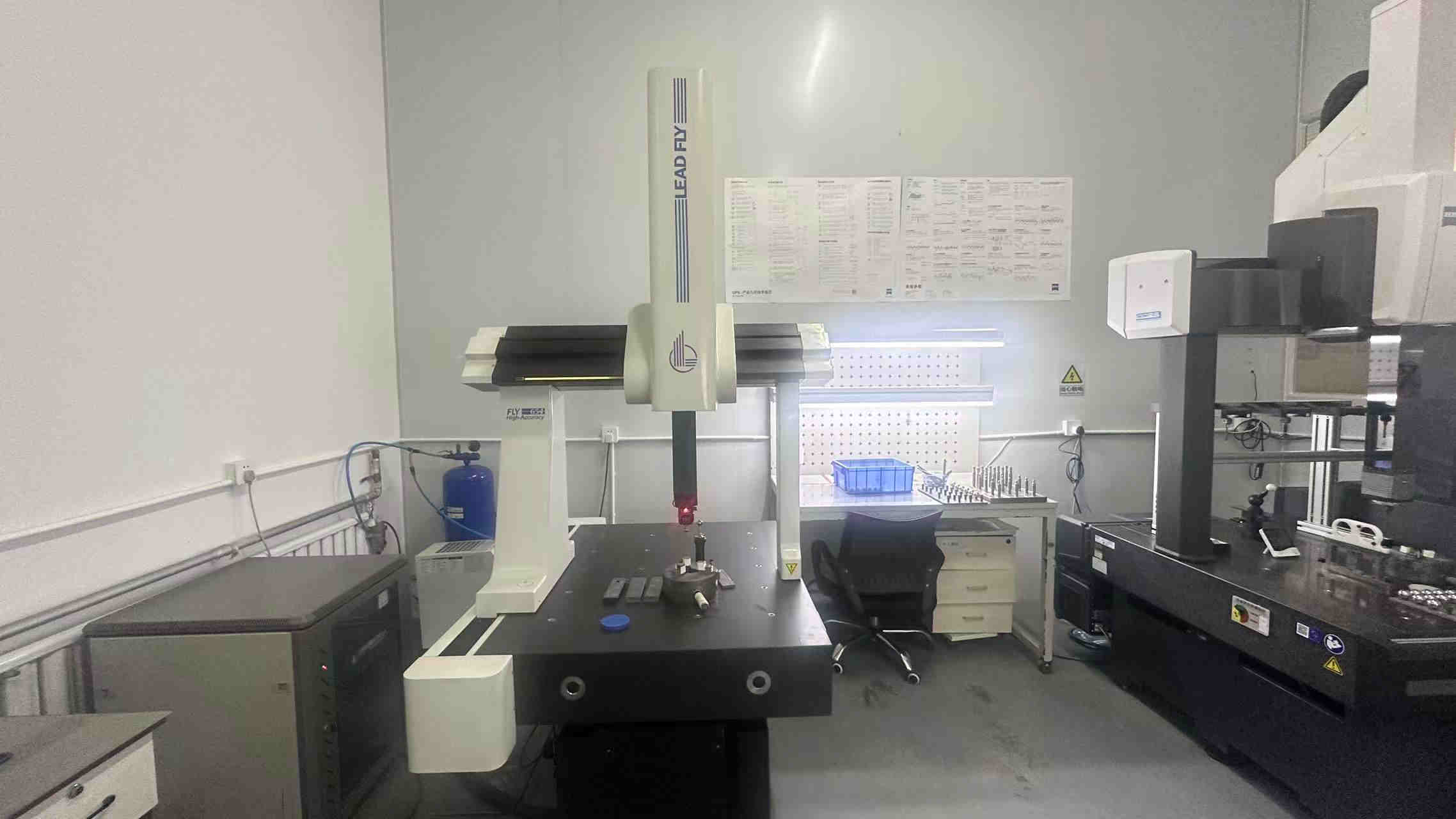
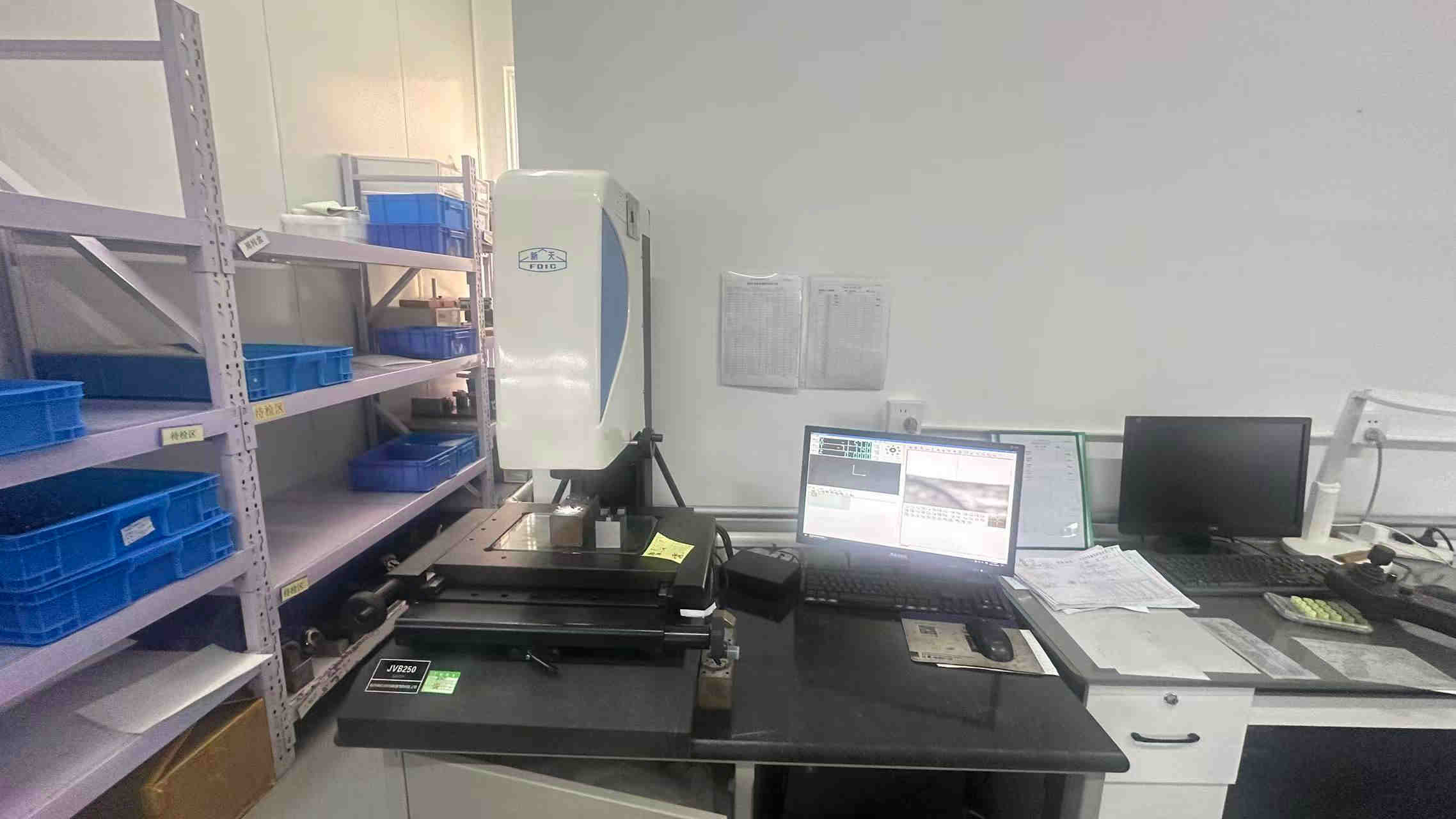
A detailed look inside our manufacturing line, showing the high-precision steps behind every surgical instrument.
How Zhejiang Horaizon Medical combines advanced manufacturing, cost efficiency, and strict quality control.
Sourcing orthopedic implants and surgical instruments from China offers significant advantages for global distributors and hospitals. Zhejiang has developed into a major cluster for high-end medical manufacturing, offering access to specialized raw materials, precision CNC machining, surface treatment facilities, and sterilization services. This concentration of resources helps shorten production lead times and reduce logistics costs.
At Horaizon Medical, we build on these regional advantages by investing in advanced manufacturing technology. By using multi-axis CNC machines and automated milling centers, we minimize human error and ensure consistent, batch-to-batch repeatability. Our integrated capabilities allow us to manage every step of production in-house, providing reliable quality and clear tracking from raw material to finished product.
Our quality management program is structured to meet international regulatory standards. Every production run undergoes a multi-stage validation process:
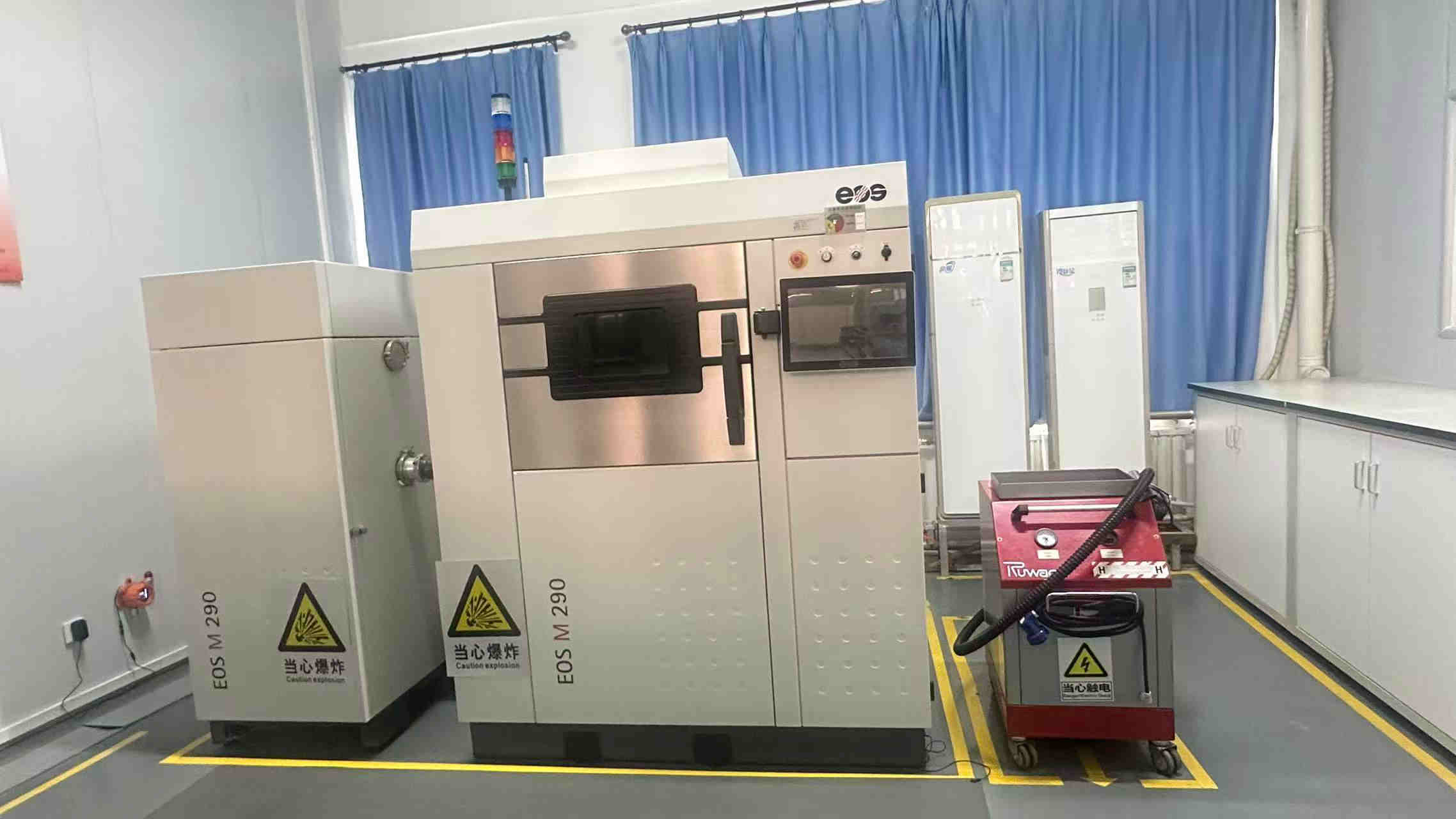
Using selective laser melting (SLM) systems, we can fabricate porous, complex structures directly from CAD models, promoting improved bone integration in customized implants.
We offer specialized surface treatments, including anodization, passivation, and titanium plasma spray (TPS) coatings, to enhance corrosion resistance and support osseointegration.
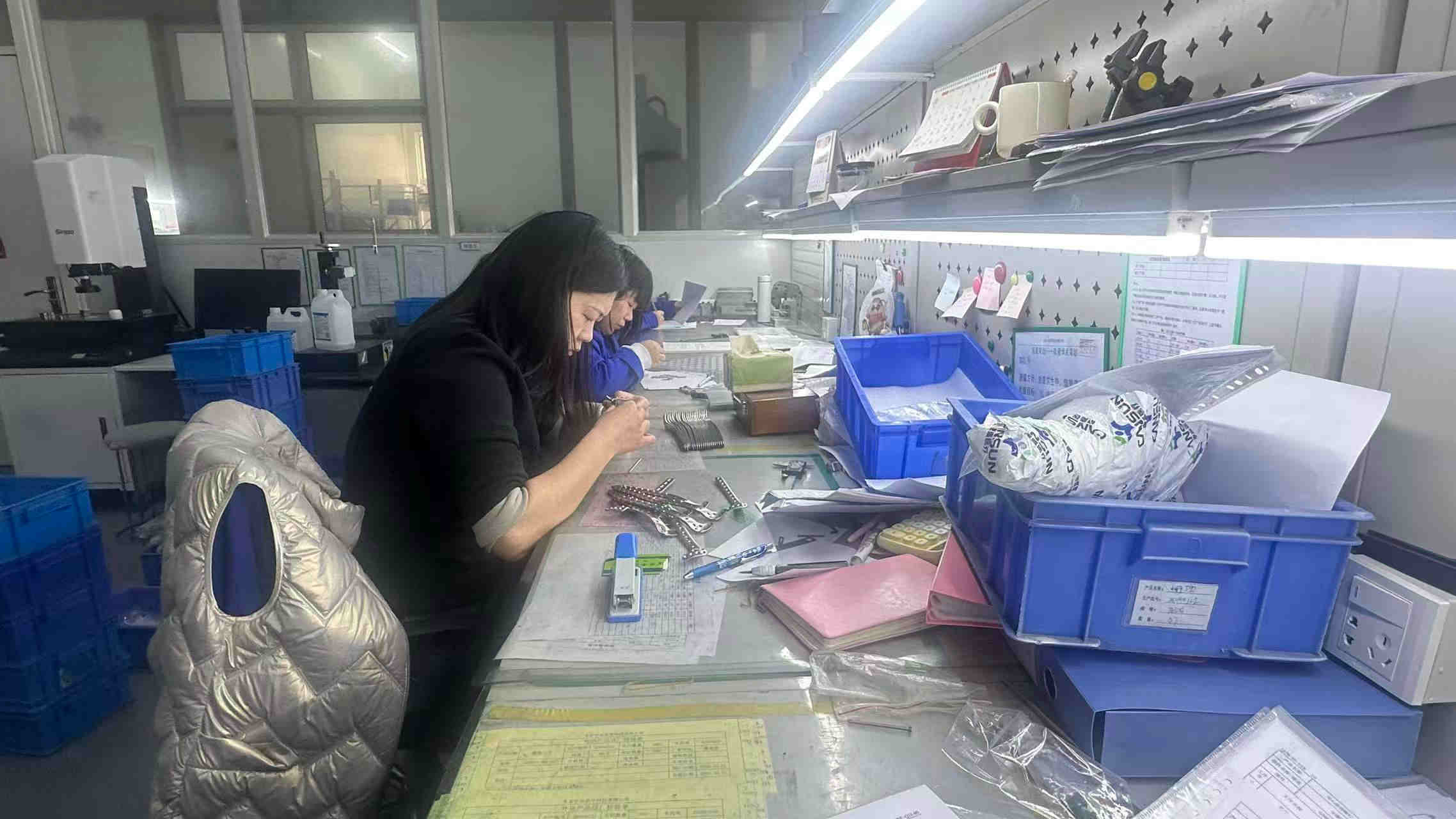
Our Quality Assurance lab uses CMM testing and automated optical analysis to verify dimensional tolerances, helping to ensure smooth fit and function during surgical procedures.
Detailed answers regarding our medical device manufacturing capabilities, regulatory compliance, and procurement processes.
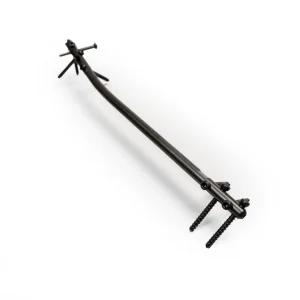
Explore our additional line of trauma fixators, interlocking nails, and specialized hardware systems.