In the ever-evolving field of orthopedic implants, ensuring supplier reliability is crucial. This leads us to the question: "How to verify the manufacturing capacity of orthopedic implants suppliers?" Evaluating a supplier's capability goes beyond their claims. It requires careful consideration of various aspects, including technology, infrastructure, and workforce.
Understanding a supplier's production processes can reveal much about their reliability. Factors such as certifications, quality control measures, and past performance should be assessed. Engaging with past clients can also provide valuable insights into operational efficiency. However, relying solely on online reviews can be misleading; direct communication is often more telling.
It is important to recognize that no supplier is perfect. They may have faced challenges or undergone changes. Acknowledging this reality allows for a more thorough assessment. When seeking to verify manufacturing capacity, it's worthwhile to remain vigilant and ask the right questions. Balancing trust with verification leads to better partnerships in the orthopedic implant industry.
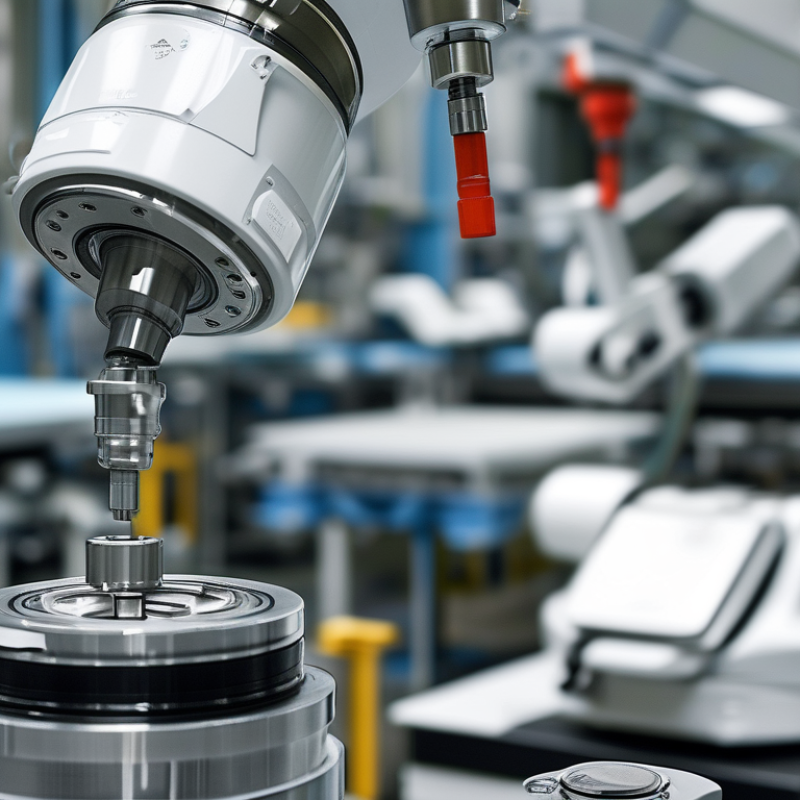
Factors Influencing the Manufacturing Capacity of Orthopedic Implants
When evaluating orthopedic implants suppliers, understanding factors influencing their manufacturing capacity is crucial. The production capability depends on machinery quality, workforce training, and supply chain efficiency. A study by the Orthopedic Industry Association found that companies with advanced machinery can increase output by up to 30%. This indicates that investing in technology is a double-edged sword. Not all companies prioritize updates, risking obsolescence.
Additionally, workforce expertise plays a significant role. Skilled technicians ensure precision and quality control. Reports suggest that a 10% increase in skilled labor can lead to a 15% drop in production defects. However, shortage of skilled workers can hinder growth. Suppliers need to address this gap through training programs.
Supply chain dynamics further impact manufacturing. Delays in material supply can lead to production bottlenecks. A survey revealed that 40% of suppliers experienced significant delays due to reliance on single-source suppliers. Diversifying sourcing can mitigate risks. Nonetheless, balancing cost and flexibility remains a challenge, forcing suppliers to make tough decisions. These complexities underline the necessity for a thorough assessment of potential suppliers to ensure reliability.
Industry Standards and Certifications for Orthopedic Implant Manufacturers
When assessing orthopedic implant suppliers, industry standards and certifications play a crucial role. Manufacturers must comply with various regulatory frameworks, such as ISO 13485, which focuses on quality management in medical devices. This certification ensures that companies maintain consistent processes, essential for producing reliable implants. Compliance with Good Manufacturing Practices (GMP) also indicates a dedication to safety and quality standards.
In addition to ISO and GMP, suppliers should have certifications from relevant health authorities. These may include FDA clearance in the United States or CE marking in Europe. Each certification reflects a commitment to rigorous testing and evaluation. However, not all suppliers possess these certifications, which raises questions about their reliability and product quality. Regular reviews of suppliers' statuses can reveal gaps in compliance, warranting further investigation.
The journey to finding a trustworthy orthopedic implant supplier is complex. While certifications provide essential credibility, they are not foolproof indicators of reliability. Companies must engage in ongoing monitoring of their suppliers and request recent documentation. This vigilance ensures that standards are met, promoting safety in patient care. Ultimately, understanding industry certifications and their implications is vital for informed decision-making.
How to Verify the Manufacturing Capacity of Orthopedic Implants Suppliers?
| Dimension |
Criteria |
Example Standard/Certification |
Verification Method |
| Production Capacity |
Monthly Output |
ISO 13485 |
Production Data Review |
| Quality Control |
Quality Management System |
FDA Compliance |
Audit Reports |
| Material Sourcing |
Supplier Quality Assurance |
ISO 9001 |
Supplier Audits |
| Manufacturing Processes |
Process Validation |
ISO 14971 |
Validation Protocols |
| Regulatory Compliance |
Compliance with Medical Device Regulations |
CE Marking |
Regulatory Review |
Assessing Production Volume: Metrics for Orthopedic Implant Suppliers
When verifying the manufacturing capacity of orthopedic implant suppliers, assessing production volume is critical. The orthopedic implant market is projected to reach $52.5 billion by 2027, driving suppliers to enhance production capabilities. Understanding metrics such as monthly production output, lead times, and resource allocation can reveal a lot about a supplier's capacity. Suppliers with the ability to produce 5,000 to 10,000 implants monthly often indicate a strong and stable operation.
Quality control is another crucial metric. A supplier's adherence to ISO 13485 standards reflects their commitment to maintaining high production quality. Regular audits and certifications ensure that manufacturers can meet strict regulatory requirements. It's essential to assess whether suppliers conduct routine inspections to catch defects early. This diligence can prevent costly recalls and protect patient safety.
Regularly reviewing production data is beneficial. Check if the supplier can scale production during peak demand. It's also important to inquire about their workforce stability and training programs. Suppliers should invest in their workforce, as a skilled team drives higher efficiency and productivity. Establishing clear communication with suppliers about capacity can help align expectations and foster long-term partnerships.
Technology and Innovation in Orthopedic Implant Manufacturing Processes
In the realm of orthopedic implant manufacturing, technology and innovation play vital roles.
Advanced materials are constantly being explored, such as biocompatible polymers and innovative metal alloys.
These developments enhance the durability and integration of implants within the human body.
However, many suppliers struggle to adapt to these changes. Staying abreast of cutting-edge technologies can be challenging, yet it is essential for maintaining competitive manufacturing capacity.
Robotics and automation have revolutionized production processes. Automated systems increase precision and reduce
the risk of human error. Nevertheless, not all manufacturers are fully utilizing these advancements. Some still
rely heavily on manual processes, which can lead to inconsistencies in product quality. Embracing digital solutions,
such as 3D printing, offers benefits like customization and faster prototyping. However, the initial investment can
be daunting for smaller suppliers.
Quality assurance is another critical factor in orthopedic implants. Advances in digital inspection technologies
enable real-time monitoring of production lines. This shift can significantly reduce defects. Yet, some manufacturers
lack the resources to implement these sophisticated systems. Continuous improvement in manufacturing processes
requires a commitment to ongoing education and training. Many employees may feel overwhelmed by new technologies,
leading to resistance rather than enhancement. Balancing innovation with workforce capability remains a complex challenge.
Supply Chain Management and Its Impact on Production Capacity
Supply chain management plays a crucial role in determining the production capacity of orthopedic implant suppliers. A well-structured supply chain can enhance efficiency, reduce lead times, and improve the overall quality of implants. However, this intricate system can also expose weaknesses that affect manufacturing capability. Disruptions in logistics, delays in material supply, and unforeseen demand fluctuations can hinder a supplier's ability to deliver products on time.
Communication within the supply chain is often overlooked. Strong relationships with suppliers and partners ensure timely updates on production schedules and inventory levels. When these relationships are weak, transparency diminishes, leading to potential bottlenecks. Additionally, assessing a supplier's capacity may require on-site evaluations. These visits can reveal operational strengths and weaknesses that data alone cannot provide. Relying solely on reports may mask underlying issues.
The implementation of advanced technologies can improve production monitoring. However, not every supplier may have access to these tools. Organizations must critically evaluate if a supplier's technological capacity aligns with their own needs. Relying on outdated processes can hinder growth and responsiveness to market demands. Uncovering these challenges is essential for navigating the complexities of orthopedic implant manufacturing.
Manufacturing Capacity of Orthopedic Implants Suppliers
This chart illustrates the monthly manufacturing capacities of various orthopedic implants suppliers. Each supplier exhibits different production capabilities, which are essential for supply chain management and determining their ability to meet market demands.
Conclusion
The article titled "How to Verify the Manufacturing Capacity of Orthopedic Implants Suppliers" explores the crucial elements that determine the manufacturing capabilities of suppliers in the orthopedic implant industry. Key factors include understanding the industry's standards and certifications that ensure quality and compliance. Additionally, the article discusses various metrics for assessing production volume, which are essential in evaluating a supplier’s capability to meet demand.
Furthermore, technological advancements and innovations in manufacturing processes play a significant role in enhancing production efficiency. Lastly, effective supply chain management is highlighted as a vital aspect that influences overall production capacity. By considering these components, stakeholders can gain comprehensive insights into how to verify the manufacturing capacity of orthopedic implants suppliers and make informed decisions.
 Horaizon Orthopedic Implants
