Horaizon Orthopedic Implants
The compatibility of orthopedic implants with surgical instruments is critical for successful surgeries. A recent report by the Global Orthopedic Implant Market Research estimates that the industry will reach $66 billion by 2025. This rapid growth underscores the need for precise verification methods. As Dr. Emily Warren, a leading orthopedic researcher, emphasizes, "Ensuring compatibility can prevent complications and enhance patient outcomes."
Surgeons must know how to check if orthopedic implants are compatible with surgical instruments. Compatibility issues can lead to delays in surgery or even device failures. For instance, mismatched sizes can impede proper installation. In a clinical study, 15% of complications stemmed from compatibility errors, highlighting a significant area for improvement.
To address these challenges, advanced tools and protocols are increasingly being developed. These innovations aim to provide better accuracy in measuring compatibility. However, there remain gaps in standardization across different manufacturers. It's crucial for medical teams to stay informed. Continuous training and updated guidelines are necessary to adapt to evolving technology in this vital field.
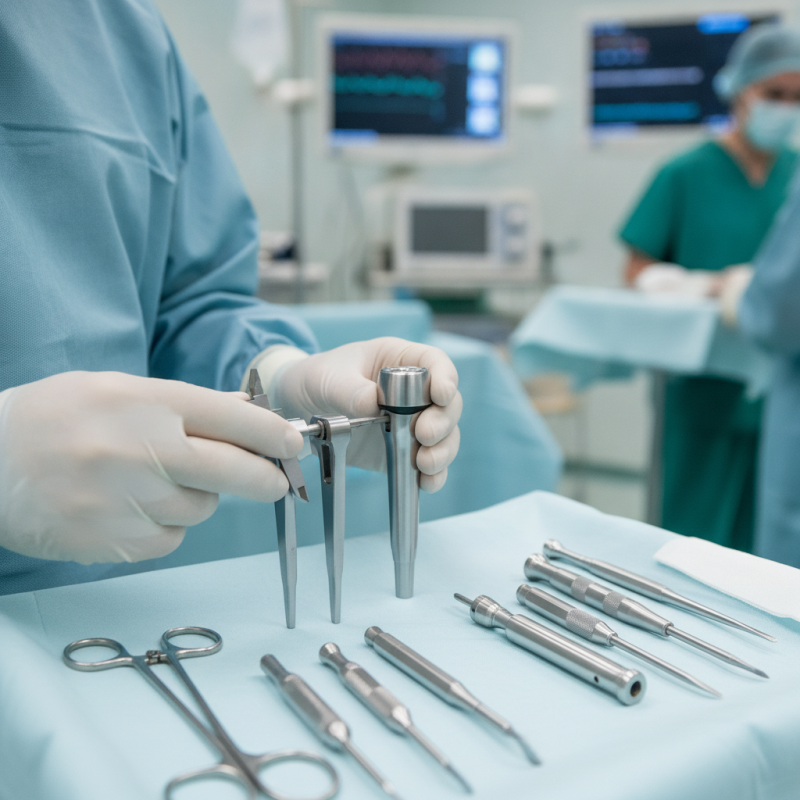
In orthopedic surgery, implant compatibility is crucial. Misaligned parts can lead to complications, including infection and implant failure. According to a report by the American Academy of Orthopaedic Surgeons, up to 30% of orthopedic patients may experience issues related to implant compatibility. This highlights the pressing need for careful verification processes.
Different materials have unique mechanical properties. For example, titanium is favored for its strength and lightweight nature. On the other hand, cobalt-chromium alloys, while strong, may cause allergic reactions in some patients. A focused assessment can help avoid these risks and promote better healing outcomes. Understanding the patient's needs is vital in this context.
Tips: Selecting compatible implants requires in-depth analysis of individual cases. Always consult recent studies and use standardized compatibility checklists. Inconsistent results in compatibility testing necessitate a cautious approach. If discrepancies are found, further evaluation is essential before proceeding with surgery. Regular updates in implant technology should also guide decisions.
When considering the compatibility of orthopedic implants with surgical tools, several key factors should be evaluated.
Material composition is crucial, as different metals and polymers may interact differently with surgical instruments.
For example, titanium implants may be more compatible with specific tools compared to cobalt-chromium implants.
The hardness of the implant material can affect wear on the tools during procedures.
Another important factor is the implant's geometry.
The shape and size influence how well surgical tools can maneuver around them.
Implants that have complex shapes may pose challenges during surgery.
This can lead to potential complications if not adequately designed for tool compatibility.
Additionally, surface properties such as roughness and coating can impact how tools engage with the implant.
A rough surface might create friction and hinder tool movement.
Surgical techniques also play a role in compatibility.
The experience level of the surgeon can affect how tools function with implants.
Even high-quality implants may perform poorly if the tools are not utilized correctly.
Proper training and simulation practice help bridge this gap, ensuring that the specific characteristics of both the implant and the tools are understood.
By acknowledging these factors, teams can enhance surgical outcomes.
Verifying the compatibility of orthopedic implants is crucial for successful patient outcomes. Various methods are employed to ensure that implants interact well with human tissues. One common approach is mechanical testing. This includes analyzing the material's strength, flexibility, and wear resistance. Evaluating how implants react under different stress scenarios can provide vital insights.
Another effective method involves biocompatibility testing. This assesses whether the materials used in implants cause any adverse reactions in the body. Samples are usually tested on cell cultures before any human trials. Such procedures require rigorous protocols to ensure accuracy. Researchers often face challenges in recreating the complex environment of a human body in a laboratory setting.
Tip: Always stay updated on the latest research in implant technologies. Engaging with scientific literature can provide valuable insights into emerging testing methods.
Tip: Collaboration with orthopedic specialists can enhance testing protocols. Their clinical perspective is essential in identifying potential issues before implants are used in surgery. By focusing on real-world applications, testing becomes more relevant and precise. Balancing technical testing with practical experience is key to improving implant design and functionality.
In today's healthcare landscape, verifying orthopedic implant compatibility is critical. Advanced technologies play a significant role in ensuring implants meet the necessary biological and mechanical standards. Tools such as 3D printing and advanced imaging techniques enable precise evaluations. These technologies enhance our understanding of how implants interact with bone and soft tissue.
Tips: Always consider using 3D models for testing. They can provide visual insights that traditional methods may miss. Collaborating with biomedical engineers can also yield valuable feedback and ensure rigorous compatibility assessments.
Despite these advancements, challenges remain. Not every high-tech solution fits every scenario. Some implants may behave unexpectedly in unique patient conditions. Continuous education and adaptation in evaluating these tools is essential. Staying informed about the latest research can help professionals navigate this complex domain effectively.
The integration of orthopedic implants with the right tools is crucial for successful surgeries. Recent studies suggest that approximately 45% of implant failures can be traced back to compatibility issues with surgical instruments. It highlights the need for meticulous verification processes. Tools must not only fit the implant specifications but also align with surgical techniques used.
A robust checklist can enhance the compatibility verification process. It should include dimensions, materials, and intended use of both implants and tools. Engaging with orthopedic surgeons during the preliminary phase improves clarity. Continuous education for staff on new technologies is vital. Industry reports indicate that training programs can boost compatibility success rates by nearly 30%.
Despite best practices, challenges remain. Not all tools are compatible with each implant design. Regular audits can help identify discrepancies. Adjustments may be necessary, and reflections on past errors become learning opportunities. The path to seamless tool and implant integration is ongoing, requiring diligence and adaptability.
: Compatibility testing is crucial for successful patient outcomes. It ensures implants interact well with human tissues.
Common methods include mechanical testing and biocompatibility testing. These analyze strength, flexibility, and tissue response.
Mechanical testing evaluates the implant's strength and wear resistance. It checks how the implant reacts under stress.
Biocompatibility testing assesses if implant materials cause adverse reactions. It often starts with cell cultures in labs.
Researchers struggle to recreate the human body's complexities in labs. It's a significant hurdle for accurate testing.
Collaboration with orthopedic specialists enhances testing protocols. Their experience helps identify issues before surgery.
A robust checklist for dimensions and materials improves compatibility verification. Engaging with surgeons early is vital.
Studies indicate that around 45% of implant failures relate to surgical instrument compatibility. It shows the importance of verification.
Training on new technologies boosts compatibility success rates by nearly 30%. It's essential for maintaining effective practices.
Regular audits and reflections on past errors help improve future practices. It's a learning opportunity for ongoing improvement.
In the realm of orthopedic surgery, ensuring the compatibility of implants with surgical tools is crucial for successful outcomes. This article highlights the importance of compatibility, emphasizing key factors that influence how to check if orthopedic implants are compatible with surgical instruments. Factors include material properties, design geometry, and the intended surgical approach, all of which play significant roles in achieving optimal integration.
Various methods for testing compatibility are discussed, including mechanical testing and imaging techniques. Advanced technologies, such as computer simulations and 3D modeling, provide innovative ways to verify compatibility before surgical procedures. Additionally, the article outlines best practices that surgeons and medical professionals can adopt to ensure successful integration of implants and tools, ultimately improving patient care and surgical efficiency.