Horaizon Orthopedic Implants
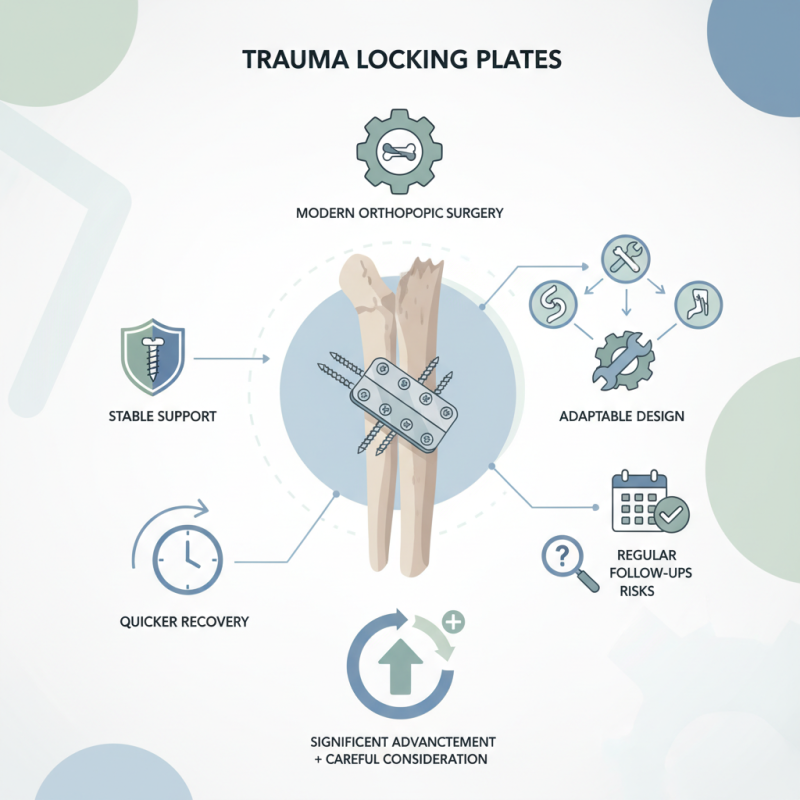
Trauma Locking Plates are crucial in modern orthopedic surgery. These plates provide stable support for fractured bones. They work by locking screws into place, which enhances stability during healing. This innovation allows for quicker recovery times and better outcomes.
Patients often face complex injuries. The design of Trauma Locking Plates addresses unique challenges. They adapt to various fracture types, offering tailored solutions. Surgeons appreciate their reliability, but not all cases are straightforward. Sometimes, the healing process can be unpredictable.
In many cases, patients may have concerns. They wonder if the plates will cause discomfort or limit mobility. While these plates are effective, there are still risks involved. Regular follow-ups are necessary to ensure proper healing. Overall, Trauma Locking Plates represent a significant advancement, yet they require careful consideration.
Trauma locking plates are advanced orthopedic implants designed to stabilize fractures. They play a crucial role in facilitating effective healing by securely affixing bone fragments. These plates feature a locking mechanism that allows screws to lock into place, creating a rigid construct. This design provides optimal stability, especially in complex fractures or osteoporotic bone.
According to recent studies, trauma locking plates can enhance patient outcomes. A report indicated that these implants reduce the risk of postoperative complications by approximately 30% compared to traditional plates. They also enable early mobilization. Patients can regain function faster, which is essential in a rehabilitation setting. However, the rigidity they offer can sometimes lead to adjacent joint stiffness. This is a consideration for both surgeons and patients.
The use of these plates is rising in trauma surgery. Yet, challenges remain. Some doctors express concerns over the potential for implant-related issues, such as hardware failure or infection. It’s crucial for healthcare professionals to weigh the benefits against the risks. Additional research is needed to refine techniques and enhance material properties. Balancing stability with patient comfort is a continuous pursuit in the field of orthopedic surgery.
Trauma locking plates are vital in orthopedic surgeries. These devices stabilize fractures, allowing bones to heal properly. They come in various designs, each tailored for specific applications. Understanding these types aids in better treatment choices.
One common type is the locking compression plate. It secures screws tightly to the plate. This stability is crucial for complex fractures and can lead to faster recovery. A study in the Journal of Orthopaedic Trauma noted that 75% of patients showed significant healing within three months when treated with locking compression plates.
Another type is the periarticular locking plates. These plates are ideal for joint fractures, providing support to surrounding tissues. They help maintain joint function during the healing process. According to a 2021 report by the Orthopaedic Research Society, these plates reduced reoperation rates by 30%. However, their cost and complexity can lead to challenges in certain healthcare settings. While trauma locking plates are effective, there's still room for improvement in design and accessibility.
Trauma locking plates are innovative surgical tools used to treat fractures. They come into play when bones break in complex ways. Their design allows for secure fixation of broken bone fragments. The plates have specific locking screws that provide stability. This stability is crucial for healing.
The mechanism of action for these plates relies on their locking system. When a screw is inserted, it locks into the plate. This connection reduces movement at the fracture site. Less movement means better healing. As bones knit back together, the locked screws minimize the risk of re-injury. Surgeons can secure fractures more efficiently, supporting optimal recovery.
Tips: Always discuss the suitability of trauma locking plates with a healthcare provider. Consider seeking a second opinion for complex fractures. Understand that healing takes time, and patience is essential. Engaging in physical therapy can also aid your recovery process. Trust the process, but stay aware of your limits.
This chart illustrates the effectiveness of trauma locking plates in treating different types of fractures based on recovery time (in weeks). The data shows a comparison between three common fracture types: Distal Radius, Femoral Shaft, and Humerus.
Trauma locking plates are a popular fixation device in orthopedics. They are designed to stabilize and support fractured bones during the healing process. However, the use of these plates comes with both advantages and disadvantages.
One major advantage is their ability to provide strong fixation. They can hold fractured bone fragments together effectively. This is especially important in complex fractures. Additionally, trauma locking plates allow for early mobilization. Patients can begin rehabilitation sooner, potentially leading to better outcomes. Yet, this benefit isn't universal. Some surgeons might experience a learning curve when utilizing these plates, which could impact patient recovery.
On the downside, trauma locking plates can complicate future surgeries. If a patient requires additional procedures, these plates may obstruct access to the area. Furthermore, there's a risk of complications, such as infection or stress shielding. Although rare, these issues can lead to delayed healing. It's essential for both patients and doctors to weigh the risks against the benefits carefully.
The surgical procedure for trauma locking plates involves a systematic approach. Surgeons begin by making an incision near the fracture site. They carefully expose the bone to assess the extent of the injury. The locking plate is then positioned on the bone fragment. Piloting holes for screws is crucial to ensure stability. This step requires clear visualization and precision. Each screw must engage properly in the locking mechanism. Failure to do so can result in complications that may affect healing.
Post-operative care is just as vital as the surgery itself. Patients often experience swelling and discomfort initially. Pain management is tailored to each individual's needs. Physical therapy usually begins soon after surgery. This promotes mobility and aids recovery. Patients are advised to follow their surgeon’s guidelines closely. Restrictions on weight-bearing may be necessary for some time. It's important to monitor the incision site for any signs of infection. Regular follow-ups are essential to track healing progress and identify issues early. This phase can be challenging, and patience is crucial.
: Trauma locking plates are orthopedic implants that stabilize fractures by securely fixing bone fragments together.
They reduce postoperative complications by about 30%, allowing for faster recovery and early mobilization.
The rigidity can lead to adjacent joint stiffness, which may require additional therapy or adjustments.
Yes, some may experience a learning curve that could impact patient recovery or lead to complications.
Surgeons make an incision, assess the fracture, position the plate, and ensure screws are properly engaged.
Post-operative care includes pain management, physical therapy, and monitoring for signs of infection.
Yes, risks include infection, hardware failure, and potential complications affecting future surgeries.
Follow-ups help track healing progress and identify any issues early, which is critical for recovery.
Following the surgeon’s guidelines closely and being patient during the recovery phase is essential.
Yes, their use is increasing, but ongoing research is needed to improve techniques and materials.
Trauma Locking Plates are specialized orthopedic devices designed to stabilize and support fractured bones during the healing process. These plates are critical in trauma surgery, as they provide strong fixation by locking screws into the plate, which reduces the risk of movement at the fracture site. There are various types of trauma locking plates, each tailored for specific bone structures and fracture types, ensuring that surgeons can choose the most appropriate option for their patients.
The mechanism of action for Trauma Locking Plates involves the creation of a fixed-angle construct, which enhances stability and allows for early mobilization of the injured area. While the advantages include improved stability and reduced soft tissue disruption, there are also disadvantages, such as the potential for increased surgical time and complications related to hardware. The surgical procedure for applying trauma locking plates requires careful planning and execution, followed by thorough post-operative care to ensure optimal recovery and healing outcomes.
