Horaizon Orthopedic Implants
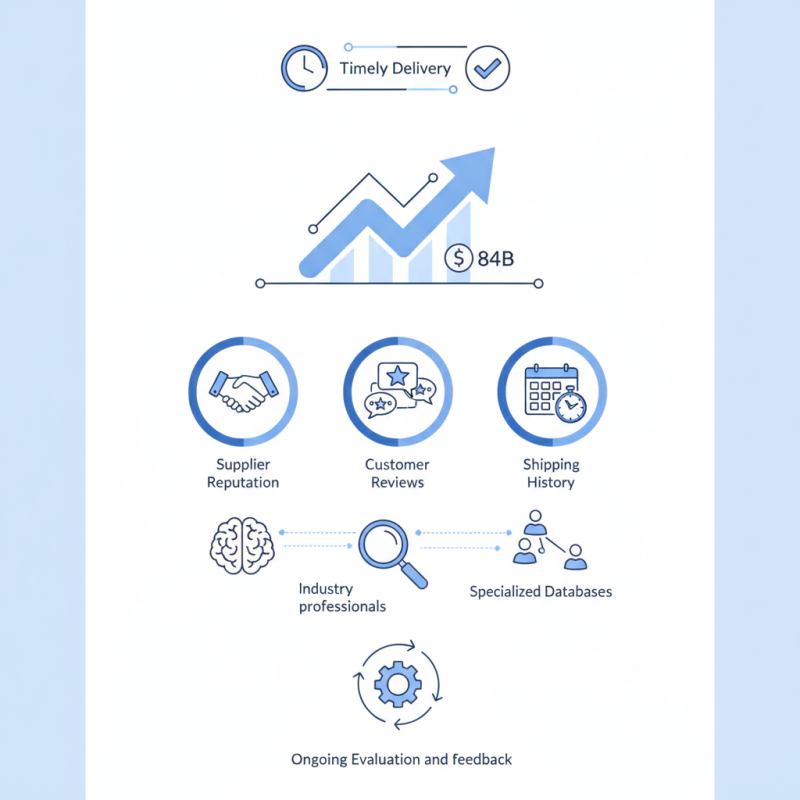
In the rapidly evolving landscape of orthopedic surgery, the demand for high-quality implants continues to rise. According to a recent industry report by Market Research Future, the orthopedic implant market is projected to reach approximately $84 billion by 2025. This growth highlights the importance of finding trustworthy orthopedic implant suppliers who can ensure not only product quality but also reliable shipping.
How to find orthopedic implants suppliers with reliable shipping is a crucial question for healthcare providers. Timely delivery can impact surgical schedules and patient outcomes. Factors like supplier reputation, customer reviews, and shipping history should be prioritized. Companies that demonstrate a commitment to on-time delivery can make all the difference in a critical moment.
Additionally, it can be challenging to evaluate which suppliers are truly reliable. A few months of delays or poor quality can lead to significant issues. Engaging with industry professionals and utilizing specialized databases can provide deeper insights. A well-informed choice goes beyond simply selecting a supplier; it requires ongoing evaluation and feedback.
Reliable orthopedic implant suppliers play a critical role in the healthcare industry. Their products directly impact patient outcomes and recovery processes. The quality of surgical implants can make or break a procedure. Healthcare professionals are aware that choosing the right supplier can be a daunting task.
It's essential to assess a supplier's track record. Look for those with consistent quality in their products and customer service. Often, feedback from surgeons can provide valuable insights. Attending trade shows or conferences can allow direct interaction with suppliers. Such settings help gauge their expertise and commitment to innovation. However, not all suppliers will meet expectations, and due diligence is vital.
Documentation matters greatly in this field. Suppliers should provide full transparency regarding product specifications and certifications. A reliable supplier will also offer clear channels for communication and support. If problems arise, quick responses are necessary.
Companies with a good reputation tend to be proactive about addressing these issues. It’s crucial to remain critical and persistent in your supplier search, ensuring that trust is earned over time.
When searching for reliable orthopedic implant suppliers, understanding their key qualities is crucial. Look for manufacturers with a strong focus on quality assurance. They should adhere to international standards and regulations. Certifications play a significant role. These validate the credibility of the manufacturer. A well-established history in the industry often indicates reliability.
Research the supplier's reputation. Look for reviews and testimonials from healthcare professionals. Experienced suppliers often have a track record showcasing their commitment to innovation and patient safety. It's also essential for manufacturers to provide transparent information about their implants. Detailed specifications help in making informed decisions.
Communication is vital. Trustworthy suppliers readily offer support and resources. They should be open to questions and provide clear documentation. However, some manufacturers may lack responsiveness, raising concerns. Reflecting on these aspects can help identify genuine suppliers. Ultimately, making a choice should stem from a mix of research and critical evaluation.
When selecting orthopedic implant suppliers, understanding certifications is crucial. Various certifications indicate compliance with industry standards. For instance, the ISO 13485 certification ensures that a company practices effective quality management systems. This standard is vital for orthopedic device manufacturers. Reports suggest that only 30% of suppliers fully meet these compliance requirements. This discrepancy raises concerns about product reliability.
Adherence to regulatory guidelines is another red flag. The FDA mandates stringent quality controls for orthopedic implants. A study by the Orthopedic Research Society indicated that 40% of global suppliers do not adhere to these regulations. Suppliers must demonstrate both expertise and a commitment to patient safety. Look for those with comprehensive compliance records and regular audits.
Supplier transparency can be misleading. Some suppliers may claim certifications without proper validation. Verify credentials through industry forums or compliance databases. This proactive step safeguards against potential risks. Establishing a trustworthy relationship with suppliers is essential. The goal is to ensure that implants are safe and effective for patients, ultimately impacting surgical outcomes.
| Tip Number | Tip Description | Importance | Source of Certification | Compliance Standards |
|---|---|---|---|---|
| 1 | Check for ISO Certification | High | International Organization for Standardization | ISO 13485: Medical Devices |
| 2 | Verify FDA Registration | High | U.S. Food and Drug Administration | CFR Title 21, Part 820 |
| 3 | Evaluate the Supplier’s Track Record | Medium | Industry Reviews | N/A |
| 4 | Assess Quality Control Processes | High | Supplier Audit Reports | Six Sigma, TQM |
| 5 | Check for Product Liability Insurance | Medium | Insurance Provider | N/A |
| 6 | Inspect Product Samples | High | N/A | N/A |
| 7 | Look for Customer Feedback | Medium | Online Portals and Reviews | N/A |
| 8 | Analyze Supply Chain Logistics | Medium | N/A | N/A |
| 9 | Confirm After-Sales Support | High | Supplier Documentation | N/A |
| 10 | Review Financial Stability | Medium | Financial Reports | N/A |
When searching for reliable orthopedic implant suppliers, customer reviews and product testimonials hold significant value. A study by Market Research Future indicated that 85% of healthcare professionals consider reviews crucial in their purchasing decisions. Such feedback helps build trust in the supplier’s reputation. Reviewing testimonials can unearth the reliability of materials used and the longevity of the implants, directly affecting patient outcomes.
Delve into both qualitative and quantitative reviews. Numbers matter; even a 4-star rating might conceal critical flaws. Focus on comments addressing product performance and aftercare. Yet, be wary of overly positive testimonials. Authentic feedback often includes challenges faced. Recognizing these imperfections can provide insights into the supplier's level of service and quality assurance.
A more comprehensive view often emerges when contrasting various sources of feedback, enriching your decision-making process and ensuring the implants used meet necessary standards.
Building long-term relationships with suppliers is crucial in the orthopedic implant industry. Trust is the foundation of any successful partnership. Suppliers should be seen as allies, not just vendors. Regular communication fosters this trust. It allows for open discussions on product quality and delivery timelines.
One effective tip is to prioritize transparency. Share your needs and expectations clearly. This encourages suppliers to be honest about their capabilities. Another important aspect is to meet suppliers occasionally. Personal interactions build rapport. These meetings provide insights into their operations and challenges.
Regular performance reviews can strengthen your bond. It is essential to provide feedback, both positive and not-so-positive. Constructive criticism can motivate suppliers to improve. A relationship should evolve over time. If issues arise, addressing them promptly can lead to better understanding. This reflection can turn challenges into stepping stones for growth.
: They impact patient outcomes and recovery directly. Quality implants can determine the success of a procedure.
Check their track record for consistent quality in products and service. Seek feedback from healthcare professionals.
Yes, 85% of healthcare professionals find reviews crucial. They help build trust and assess reliability.
Look for both qualitative and quantitative feedback. Pay attention to product performance and customer service.
It ensures clarity on product specifications and certifications. This helps establish trust between suppliers and healthcare providers.
Reliable suppliers should offer quick responses and support. Evaluate how they address problems to assess their reliability.
Yes, they allow direct interaction. You can gauge the supplier's expertise and commitment to innovation.
Be careful of overly positive feedback. Authentic reviews often share challenges and provide a balanced view.
Remain critical and persistent in your search. Trust must be earned over time based on performance and feedback.
No, even high ratings can hide flaws. A deeper look at comments is essential to make an informed decision.
Finding reliable orthopedic implant suppliers is crucial for maintaining high standards in medical care. It's essential to understand the importance of partnering with trustworthy manufacturers who prioritize quality and compliance with industry standards. Key qualities to look for include rigorous quality control processes, relevant certifications, and a strong reputation.
Researching supplier certifications and compliance standards ensures that you are working with manufacturers who adhere to regulatory requirements. Additionally, evaluating customer reviews and product testimonials can provide insight into the experiences of other healthcare professionals. Building long-term relationships with suppliers can further help in ensuring reliable shipping and access to innovative products. Ultimately, knowing how to find orthopedic implants suppliers with reliable shipping and a commitment to excellence will greatly benefit healthcare providers and their patients.
