Horaizon Orthopedic Implants Horaizon Orthopedic Implants

Top 10 Tips to Ensure Proper Sterilization of Orthopedic Implants?

Time:2026-05-25 Author:Ethan
0%

Ensuring the sterile delivery of orthopedic implants is crucial for patient safety. Sterilization plays a vital role in orthopedic surgery. How to ensure orthopedic implants are properly sterilized before delivery is a topic that demands attention. Inadequate sterilization can lead to infections and other complications.

The methods for sterilization vary, from autoclaving to advanced chemical techniques. Each method has its advantages and potential pitfalls. For instance, autoclaving is common, but it may not be effective for all implant materials. Awareness of these nuances can prevent errors. Moreover, facilities must follow strict protocols to avoid contamination. Proper staff training is essential, yet often overlooked.

Reflecting on past experiences and case studies can provide insights into improving practices. Many surgical centers face challenges in meeting sterilization standards. Testing and monitoring sterilization efficacy are critical steps. Attention to detail, such as ensuring all surfaces are clean, can make a significant difference. It is vital to engage in continuous learning in this field.
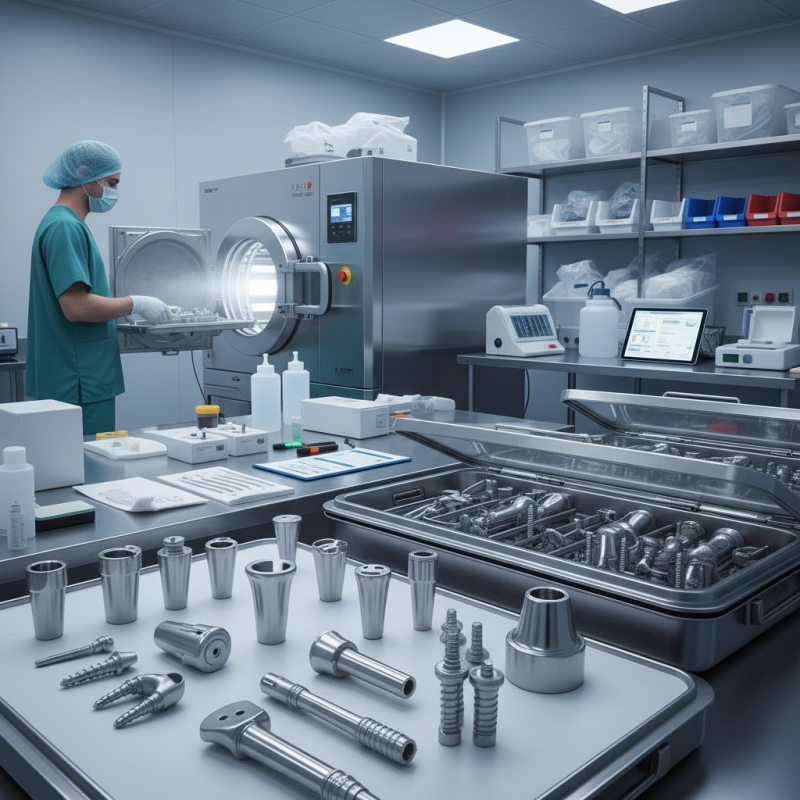
Top 10 Tips to Ensure Proper Sterilization of Orthopedic Implants?

Understanding the Importance of Sterilization in Orthopedic Surgery

Sterilization in orthopedic surgery is crucial for patient safety. Infections following surgeries can lead to dire consequences. Research indicates that surgical site infections (SSIs) occur in about 2-5% of cases. This highlights the need for rigorous sterilization protocols.

Effective sterilization involves various techniques, with steam sterilization being one of the most common. Studies show that properly sterilized instruments can reduce infection rates by up to 90%. Additionally, maintaining a sterile environment during the implant procedure is essential. Even minor contamination can sidetrack recovery.

The reliance on sterilization also reflects a broader industry standard. The Association for the Advancement of Medical Instrumentation emphasizes that all reusable surgical instruments must meet stringent sterilization guidelines. This is not just about compliance; it’s about preserving patient trust and health. Yet, the industry faces challenges. Many hospitals struggle with consistent sterilization practices. Neglecting regular staff training can undermine even the best protocols, raising concerns about patient outcomes.

Types of Orthopedic Implants: Selection and Sterilization Requirements

The selection of orthopedic implants is crucial for patient outcomes. Common types include screws, plates, and joint replacements. Each type has specific sterilization requirements that must be met. Metals like titanium are often used due to their strength and biocompatibility. However, their sterilization process differs from that of polymer-based implants. Understanding these differences is essential for ensuring safety.

Sterilization methods can vary greatly. Steam sterilization is commonly used, but some implants may require ethylene oxide or hydrogen peroxide gas plasma. Not all methods suit every implant type. Inconsistent sterilization can lead to complications post-surgery. It's vital to go through manufacturer guidelines meticulously. Small missteps in sterilization can have severe consequences.

Moreover, the effectiveness of sterilization techniques relies on proper handling and storage. Improper transportation of sterile implants can introduce contamination. Staff training is crucial; they must be aware of current best practices. Regular audits can ensure compliance with sterilization protocols. This ongoing reflection on practices can improve outcomes in orthopedic surgeries.

Best Practices for Cleaning and Preparing Implants Prior to Sterilization

Cleaning and preparing orthopedic implants before sterilization is crucial. It significantly impacts the effectiveness of the sterilization process. Start by rinsing the implants in a sterile saline solution. This step helps remove blood and tissue debris, essential for proper cleaning. Use soft brushes to eliminate stubborn contaminants. A gentle touch is vital to avoid damaging the surface.

Consider using ultrasonic cleaners for enhanced removal of microscopic particles. These devices generate sound waves that help dislodge debris. After cleaning, ensure the implants are thoroughly dried. Moisture can hinder the sterilization process. Verify that all implants are free from any residual cleaning agents. This ensures that the sterilization method will be effective.

Despite having strict procedures, mistakes can happen. Sometimes, cleaning protocols may overlook certain areas of an implant. Regular training for staff can help identify and rectify these oversights. Reviewing equipment and cleaning techniques periodically is also beneficial. Continuous improvement in methods can elevate the overall reliability of the sterilization process.

Effective Techniques for Sterilizing Orthopedic Implants

Sterilization of orthopedic implants is critical for patient safety. Effective techniques ensure that implants are free from harmful microorganisms. One common method is steam sterilization. It uses high-pressure steam to kill bacteria. This technique requires precise temperature and time control. Implementing strict protocols is necessary to prevent errors.

Ethylene oxide gas sterilization is another effective method. This gas sterilizes implants at lower temperatures. It is useful for complex devices that cannot withstand heat. However, the process needs careful monitoring due to potential toxicity. Regular training for staff is essential. Miscommunication can lead to mishandling of materials. Accurate documentation of sterilization cycles also helps maintain accountability.

Quality checks are vital to prevent contamination. Random sampling and testing of implants post-sterilization can reveal issues. Regular audits of sterilization methods ensure compliance with safety standards. Inadvertent lapses may occur, highlighting areas needing improvement. Emphasis on continuous learning and adaptation strengthens sterilization efforts. The goal is always to enhance patient outcomes.

Monitoring and Validating Sterilization Processes for Implants

Ensuring proper sterilization of orthopedic implants is a critical process in healthcare. Monitoring and validating these sterilization processes play a crucial role in patient safety. Studies suggest that improper sterilization can lead to infection rates as high as 30% in patients receiving joint replacements. Maintaining a sterile environment is non-negotiable.

One effective tip is to implement regular biological indicators (BIs) in your sterilization cycles. BIs help verify the efficacy of the sterilization process. Utilizing integrators alongside BIs can further enhance the reliability of the results. Compliance with guidelines from organizations such as the Association for the Advancement of Medical Instrumentation (AAMI) solidifies practices.

Additionally, conducting routine validation studies is essential. Ensuring that sterilization equipment maintains appropriate parameters throughout its lifecycle builds confidence in outcomes. Remember, monitoring can reveal critical data on process failures, often leading to the reflection and improvement of methods used. Engaging staff in ongoing training fosters a culture of safety, ensuring every team member knows the importance of their role in the sterilization process.

FAQS

: Why is sterilization important in orthopedic surgery?

: Sterilization is crucial to prevent infections that can lead to severe complications after surgery.

What percentage of surgeries result in surgical site infections?

Surgical site infections occur in approximately 2-5% of orthopedic surgery cases.

What is a common method of sterilization used?

Steam sterilization is widely used for its effectiveness in killing harmful bacteria.

How much can proper sterilization reduce infection rates?

Properly sterilized instruments can lower infection rates by up to 90%.

What challenges do hospitals face with sterilization practices?

Many hospitals struggle to maintain consistent sterilization protocols, risking patient safety.

What is the role of regular staff training in sterilization?

Ongoing training is essential to prevent mishandling and ensure adherence to sterilization protocols.

What is the function of ethylene oxide gas sterilization?

Ethylene oxide gas sterilization is used for complex implants that cannot tolerate high heat.

Why is documentation important in the sterilization process?

Accurate documentation of sterilization cycles helps maintain accountability and traceability.

What should be regularly assessed to ensure effective sterilization?

Regular audits and quality checks of sterilization methods help prevent contamination.

How can lapses in sterilization practices affect patient care?

Inadvertent lapses may compromise patient safety, highlighting the need for ongoing improvement.

Conclusion

Sterilization of orthopedic implants is crucial to prevent post-surgical infections and ensure patient safety. The process begins with a thorough understanding of the types of implants used and their specific sterilization requirements. Best practices for cleaning and preparing implants involve meticulous attention to detail to remove any contaminants before the sterilization process begins.

To answer the question of how to ensure orthopedic implants are properly sterilized before delivery, effective sterilization techniques such as autoclaving, ethylene oxide gas, or radiation should be employed depending on the implant material. Furthermore, monitoring and validating the sterilization processes are essential to guarantee that all implants meet safety standards. By adhering to these guidelines, healthcare professionals can enhance patient outcomes and minimize the risk of infections related to orthopedic procedures.

Ethan

Ethan

Ethan is a seasoned marketing professional with a deep expertise in our company's innovative product line. With a passion for sharing knowledge and insights, he takes the lead in regularly updating our corporate blog, where he explores industry trends, product features, and effective marketing......