Horaizon Orthopedic Implants
Choosing the right orthopedic implants for surgery is crucial for patient outcomes. Surgeons face a variety of options when it comes to spinal and joint procedures. Understanding these choices can be overwhelming yet important.
How to choose orthopedic implants for spinal and joint procedures involves evaluating several key factors. These factors include the specific medical condition, the patient’s age, and their activity level. The materials used in implants also play a significant role in performance and longevity. Recent advancements have improved the durability of these implants, but issues such as wear and biocompatibility still linger.
Surgeons must be aware of the latest research and technologies. Having access to reliable and updated data is essential. Collaboration with a multidisciplinary team can enhance the decision-making process. Ultimately, the goal is to provide the best care while also considering potential challenges during recovery and implant integration.
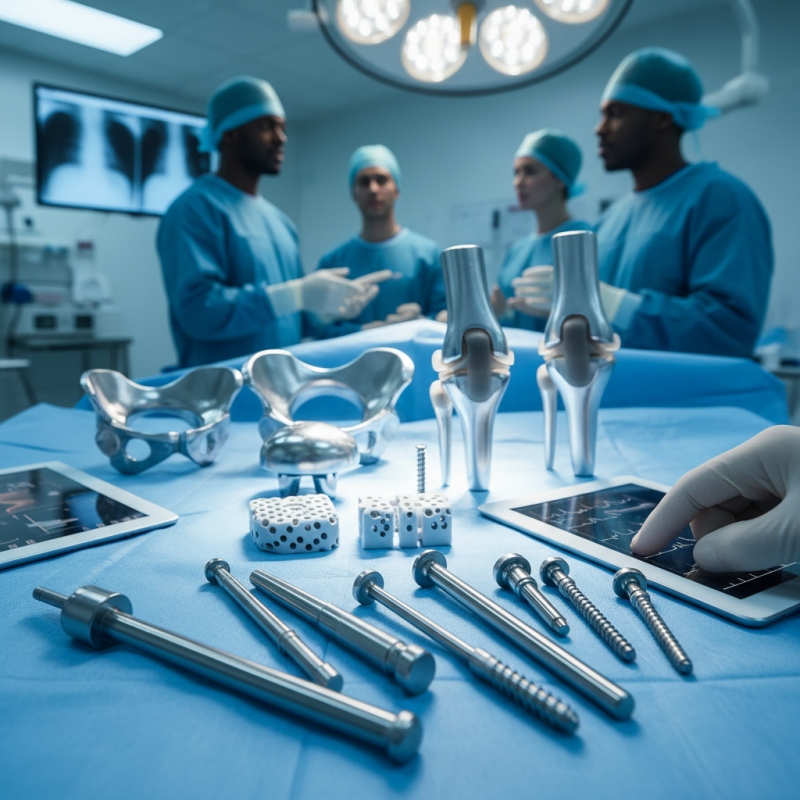
Orthopedic implants play a crucial role in modern surgery.
These devices help restore function and improve quality of life for patients with musculoskeletal issues.
The landscape of orthopedic implants is vast and varied. Surgeons must be well-versed in the different types available to make the best decisions.
Common implant types include screws, plates, and joint replacements.
A market report indicates that the orthopedic implant market is expected to reach $60 billion by 2026,
growing at a CAGR of 5.9% from 2021. The choice of material is important.
Titanium and stainless steel are frequently used due to their strength and biocompatibility.
However, bio-absorbable implants are gaining traction for their ability to dissolve over time, minimizing the need for additional surgeries.
Despite advancements, not all implants work as intended. Some patients may experience complications such as infection or implant failure.
Up to 10% of joint replacements may require revision.
Therefore, discussions about the potential risks are essential. Continuous research into material sciences aims to improve durability and reduce complications.
Understanding these various types enhances the decision-making process, leading to better patient outcomes.
When selecting orthopedic implants for surgery, several critical factors emerge. One important consideration is the material. Common choices include titanium and stainless steel. Each offers distinct benefits regarding strength, weight, and biocompatibility. Research indicates that titanium boasts a lower rate of allergic reactions, making it a preferential option for many patients.
Surgeons must also evaluate the implant's design. Studies show that implants with enhanced geometrical configurations can improve fixation stability. A well-designed implant can lead to better patient outcomes, minimizing complications and the need for revision surgeries. Data suggests that the failure rate for poorly designed implants can reach as high as 20% within ten years post-surgery.
Another significant factor is the surgical technique. The approach taken during surgery impacts how the implant functions. If done incorrectly, even the best materials cannot compensate for surgical error. Ongoing education and training for surgeons are essential, as the landscape of orthopedic implants is continuously evolving. Regular workshops and updated guidelines help maintain high standards in orthopedic practice.
When it comes to orthopedic implants, material choice is critical. Durability and biocompatibility greatly influence recovery outcomes. Common materials include titanium, stainless steel, and polymers. Titanium is known for its strength and light weight. It bonds well with bone, promoting healing. However, its cost may be a concern for some hospitals.
Stainless steel offers a balance between cost and strength. It is widely used due to its resistance to corrosion. Yet, it may not integrate as well with the body compared to titanium. Polymers, on the other hand, are often used in non-load-bearing applications like cushioning. They are less durable but provide flexibility. Each material has advantages and drawbacks.
Surgeons must consider individual patient needs. Factors include age, activity level, and overall health. Testing and research continue to evolve, making material selection complex. While one option might excel in one area, it could underperform in another. It's essential for surgeons to stay informed and assess the latest developments. In the end, the best choice is one that aligns with specific surgical goals.
| Material Type | Durability Rating | Biocompatibility Rating | Weight | Corrosion Resistance |
|---|---|---|---|---|
| Titanium Alloy | 8/10 | 9/10 | Lightweight | High |
| Stainless Steel | 7/10 | 7/10 | Moderate | Moderate |
| Cobalt-Chromium Alloy | 9/10 | 8/10 | Heavy | Very High |
| Polyether Ether Ketone (PEEK) | 6/10 | 9/10 | Lightweight | High |
| Ceramic Coatings | 8/10 | 10/10 | N/A | Very High |
Choosing the right orthopedic implants involves careful consideration of the surgeon’s expertise. Research shows that a surgeon’s experience can significantly affect outcomes. A study published in the Journal of Bone and Joint Surgery found that patients operated on by experienced surgeons reported a 20% lower revision rate compared to those with less experience.
Experienced surgeons often specialize in particular types of implants. This specialization leads to improved surgical precision and better patient outcomes. For example, surgeons who perform more than 50 joint replacements per year may achieve a higher success rate. These professionals are likely aware of the latest advancements in implant technology. They understand which materials yield the best results for their patients’ needs.
However, relying solely on years of experience may not be enough. It's essential to assess the surgeon’s familiarity with specific implants. Each implant type has unique attributes that may affect recovery. Research from the American Academy of Orthopedic Surgeons indicates that inadequate knowledge of implant nuances can lead to complications. Therefore, asking your surgeon about their experiences with particular implants can provide crucial insights. Ensure they can explain the benefits and risks associated with the chosen device.
Post-operative care is crucial for the success of orthopedic implants. Studies indicate that complications can occur in up to 20% of cases, affecting long-term outcomes. Proper care helps in minimizing risks such as infections or implant failures. Using sterilized techniques and ensuring a clean recovery environment are essential for all surgical procedures.
Longevity of orthopedic implants is influenced by multiple factors, including the patient's age, activity level, and health conditions. Research from the Journal of Orthopaedic Research states that well-maintained implants can last 15-20 years. However, in younger patients, the wear and tear may shorten this lifespan significantly. Some experts recommend regular follow-ups to assess implant integrity, especially for active individuals.
Surgical techniques are evolving, yet challenges persist. Surgeons must weigh the benefits of newer materials against potential complications. It's important for patients to be informed about their specific implants. Questions about compatibility and long-term implications should be considered. Each case is unique, and ongoing discussions with healthcare providers will promote better decision-making.
: Common types include screws, plates, and joint replacements. Each serves specific functions in surgery.
Material influences strength, weight, and biocompatibility. Titanium and stainless steel are popular options.
Risks include infection and implant failure. Up to 10% of joint replacements may need revision surgery.
Well-designed implants improve fixation stability. Poor designs can lead to a 20% failure rate in ten years.
The technique impacts how well the implant functions. Errors can negate the benefits of quality materials.
Titanium is stronger and exhibits better biocompatibility, but stainless steel is more cost-effective and resistant to corrosion.
Choosing the right orthopedic implants for spinal and joint procedures is crucial for ensuring successful surgical outcomes and longevity of the implants. Understanding the different types of orthopedic implants available is the first step in this process, as each type offers unique benefits and applications. Factors such as the specific nature of the procedure, the patient's overall health, and the surgeon's recommendations play a significant role in determining the most suitable implant.
When evaluating implants, it's essential to consider the materials used for durability and biocompatibility, as these impact the body's acceptance of the implant and its long-term functionality. Additionally, the surgeon's expertise with specific implants can significantly influence the choice; their experience can enhance the likelihood of a successful operation. Finally, understanding post-operative care and implant longevity considerations can help patients prepare for recovery, ensuring a smooth transition back to daily activities. In summary, knowing how to choose orthopedic implants for spinal and joint procedures involves careful consideration of various factors to achieve the best surgical outcomes.
