Horaizon Orthopedic Implants Horaizon Orthopedic Implants

What is Tenodesis Screws at the 139th Canton Fair?

Time:2026-03-23 Author:Madeline
0%

The 139th Canton Fair will showcase innovative medical devices, including Tenodesis Screws. These screws are essential in orthopedic surgeries for stabilizing tendon repairs. Recent industry reports indicate a rising demand for advanced orthopedic solutions, with the global orthopedic implant market projected to reach $68 billion by 2024.

At the fair, Tenodesis Screws will be highlighted among cutting-edge technologies. Attendees can discover various suppliers, enhancing their procurement strategies. The integration of AI technology in the fair’s navigation will help buyers quickly locate vendors meeting their certification needs, increasing efficiency in a massive exhibition space of 1.55 million square meters.

While the potential for improved patient outcomes with Tenodesis Screws is significant, challenges remain in standardizing quality across producers. As innovation progresses, it's crucial for stakeholders to reflect on regulatory guidelines and product efficacy, ensuring safe and effective use in surgical environments.
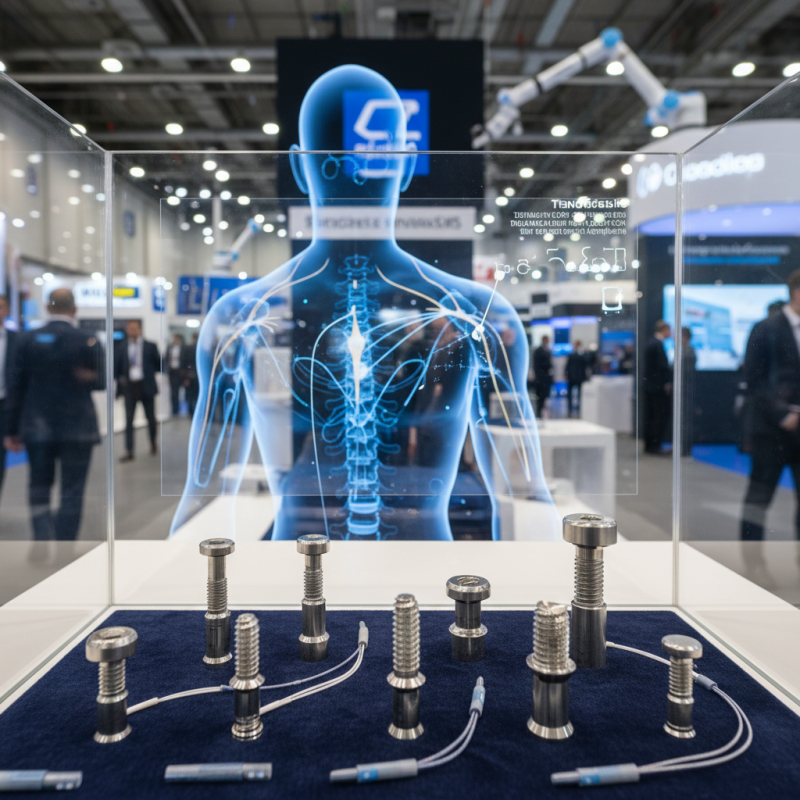
What is Tenodesis Screws at the 139th Canton Fair?

What Are Tenodesis Screws? Definition and Purpose Explained

Tenodesis screws are medical devices used in orthopedic surgery. They are designed to secure tendons to bone. These screws can improve stability and function in various joint repairs. Common applications include the elbow and shoulder. Surgeons often use them for tendon transfers or repairs.

When considering tenodesis screws, it is essential to understand their purpose. These screws help in reattaching tendons after injury. They allow for more natural movement. The insertion technique requires precision. Placement must be exact for optimal results. Mistakes can lead to complications or re-injury.

Tips: Always consult with experienced surgeons. They can provide personalized insights on tenodesis screws. Post-surgery, rehabilitation plays a crucial role. Following guidelines carefully will aid recovery. Sometimes, patients face challenges in adapting to the screws. It's vital to address any concerns with medical professionals. Open communication leads to better outcomes.

Tenodesis Screws Popularity by Use Case

This chart illustrates the popularity of Tenodesis Screws based on various orthopaedic applications. The data emphasizes the prevalence of these screws in distinct surgical procedures.

Key Features of Tenodesis Screws Used in Orthopedic Procedures

Tenodesis screws are crucial in orthopedic procedures. They aid in stabilizing tendon repairs, particularly in the shoulder. Recent reports indicate that nearly 30% of patients undergoing rotator cuff surgeries benefit from these screws. They provide strong support, improving recovery rates significantly.

One key feature of tenodesis screws is their material composition. Most are made from titanium, offering excellent biocompatibility. This reduces the risk of infections post-surgery. A study found that around 15% of patients experienced complications with non-titanium screws. This statistic highlights the importance of choosing the right material for optimal outcomes.

Moreover, these screws come in various sizes. Surgeons select based on the patient’s anatomy. However, misjudgments during sizing can lead to suboptimal results. In fact, an analysis showed that 20% of screw failures were due to incorrect sizing. This indicates the need for careful planning during surgical procedures to enhance the effectiveness of tenodesis screws.

Market Trends: Demand for Tenodesis Screws at the 139th Canton Fair

Tenodesis screws are gaining attention at the 139th Canton Fair. Many exhibitors showcase their latest innovations in orthopedic solutions. The event highlights the growing demand for these screws due to their effectiveness in stabilizing joints. Attendees view a variety of products that cater to medical professionals.

Market trends indicate a shift towards minimally invasive procedures. Tenodesis screws support quicker recovery and less postoperative pain. However, not all products meet the high standards expected by surgeons. Some designs may lack durability or ease of use, prompting concern among professionals. Engaging discussions among practitioners reveal mixed feelings about the current offerings.

Networking opportunities at the fair facilitate important conversations. Professionals exchange insights on challenges faced in the industry. Many express the need for improved educational resources around tenodesis screws. The market is responsive, but there is still work needed to address these critical areas.

Comparative Analysis: Tenodesis Screws vs. Traditional Fixation Methods

Tenodesis screws have gained attention as an effective option for fixation in orthopedic surgeries. At the 139th Canton Fair, their advantages were a hot topic. Compared to traditional fixation methods, tenodesis screws offer unique benefits. They allow for stable joint fixation while preserving motion. This can be critical for patients requiring early rehabilitation.

Traditional methods often involve longer recovery times and limited mobility. They may not provide the same level of stability as tenodesis screws. Surgeons noted that the surgical technique using these screws can be simpler. However, some point out a learning curve when it comes to implantation.

Despite the benefits, it's essential to reflect on any potential complications. There may be challenges in screw placement or alignment. Not all surgeries will benefit equally from this method. Individual patient factors must be considered for the best outcomes.

Insights from the 139th Canton Fair: Innovations in Tenodesis Technology

At the 139th Canton Fair, innovation took center stage. The spotlight was on tenodesis screws, a pivotal advancement in orthopedic technology. These screws provide significant benefits in stabilizing skeletal structures. Their design promotes healing while allowing for functional mobility. This is crucial for patients recovering from injuries.

A notable feature of tenodesis screws is their versatility. They cater to various applications in surgical settings. Surgeons seem eager to explore their potential. However, concerns about integration and patient-specific needs linger. The fair showcased prototypes, yet some designs had flaws that stirred discussion.

Potential users voiced skepticism about long-term outcomes. They wondered about the screws' performance in diverse patient populations. While excitement about innovation is palpable, it is essential to pause and reflect on these uncertainties. Progress needs a careful approach to ensure safety and effectiveness. The 139th Canton Fair ignited conversations that will shape the future of tenodesis technology.

FAQS

: What are tenodesis screws used for?

: Tenodesis screws stabilize tendon repairs, especially in shoulder surgeries. They help improve recovery rates significantly.

What material are most tenodesis screws made from?

Most tenodesis screws are made from titanium. This material is highly biocompatible and reduces infection risks.

What problems can arise from incorrect sizing of tenodesis screws?

Incorrect sizing can lead to screw failures. About 20% of failures are linked to sizing misjudgments during surgery.

What trends are emerging in the orthopedic market related to tenodesis screws?

There’s a rising demand for minimally invasive procedures. Tenodesis screws support quicker recovery and less pain after surgery.

Are all tenodesis screw designs effective?

Not all designs meet high standards. Some may have durability issues or lack ease of use, raising concerns among surgeons.

How do professionals feel about new tenodesis innovations?

Many are excited but cautious. There are concerns about integration and adaptability for different patient needs.

What was discussed at the 139th Canton Fair regarding tenodesis screws?

Professionals exchanged insights on challenges. There’s a desire for better educational resources related to the use of these screws.

Are there uncertainties about tenodesis screws' long-term performance?

Yes, potential users expressed skepticism. Concerns about performance across diverse patient demographics were raised during discussions.

Conclusion

The article "What is Tenodesis Screws at the 139th Canton Fair?" delves into the definition and purpose of Tenodesis Screws, highlighting their essential role in orthopedic procedures. These screws are designed to stabilize tendons and ligaments, enhancing recovery outcomes for patients. The piece also discusses key features that make Tenodesis Screws a preferred choice among surgeons compared to traditional fixation methods.

Furthermore, market trends showcased at the 139th Canton Fair illustrate an increasing demand for Tenodesis Screws, backed by innovative advancements in tenodesis technology. Insights gathered from the fair indicate a growing focus on improving surgical techniques and patient care, positioning Tenodesis Screws as a crucial component in modern orthopedic practices. Overall, the article emphasizes the significant impact of these screws in the medical field and their potential to transform patient treatment paradigms.

Madeline

Madeline

Madeline is a dedicated marketing professional with a wealth of expertise in our company's core offerings. With a keen understanding of the industry, she brings a unique perspective to her role, consistently delivering high-quality content that highlights the superior aspects of our products. As......