Horaizon Orthopedic Implants
The Canton Fair 2026 provides an excellent opportunity for sourcing Tibial Intramedullary Nails. Taking place from April 15 to May 5, this event showcases advanced manufacturing and medical supplies. With over 1.55 million square meters of exhibition space, the fair is vast and can be overwhelming.
Utilizing AI technology at the fair offers a way to streamline the sourcing process. Buyers can filter suppliers based on certifications like ISO and CE. This feature enhances efficiency and ensures access to high-quality manufacturers. However, the sheer volume of exhibitors may make it challenging to find the right suppliers quickly.
Navigating the fair requires planning. It’s important to target specific sections related to medical devices and orthopedic supplies. While AI can help, establishing connections and understanding product qualities is essential. The fair environment can be chaotic, and focusing on specific products like Tibial Intramedullary Nails can prevent misunderstandings. Preparing ahead will ensure a successful sourcing experience.
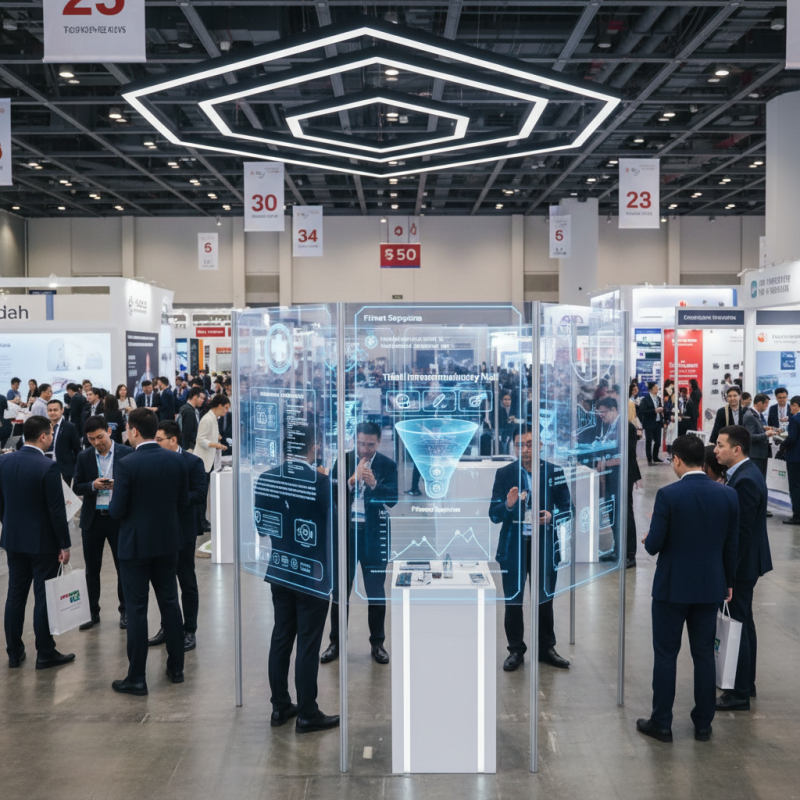
Finding reputable manufacturers of tibial intramedullary nails at the Canton Fair can be a challenge. Start by researching before you attend. Look for reviews and ratings online. Focus on manufacturers with a history of producing high-quality surgical implants. This will save you time and effort at the fair.
When you arrive, pay attention to details. Inspect the booths carefully. Look for clear certifications displayed. Engage in conversations with representatives. Ask specific questions about their production processes and quality control measures. Many manufacturers may present themselves well, but not all are reliable. Trust your instincts. If something feels off, it’s better to walk away.
Don’t forget to compare multiple manufacturers. Collect brochures and business cards. Take notes on their responses during discussions. This will help you remember key points later. Keep in mind that not all manufacturers meet international standards. It’s essential to verify their compliance before making any decisions. You might find that a charming presentation does not guarantee quality.
When evaluating the quality standards of tibial intramedullary nails in 2026, several factors come into play. The global market for orthopedic implants is projected to reach $60 billion by 2026. The demand for high-quality tibial nails will expand as well. Meeting international safety and performance standards is crucial. Manufacturers must comply with ISO 13485 and ASTM F543 standards to ensure reliability and safety.
One critical aspect is the material used in manufacturing these nails. Titanium and stainless steel are the main choices. Titanium offers improved biocompatibility and corrosion resistance, while stainless steel is more cost-effective. Reports indicate that products made from titanium see a 30% lower rate of complications. However, these materials can be costly, which raises questions about affordability in emerging markets.
Tips: Consider the specific needs of your target market. Investigate the reputation of suppliers thoroughly. Request certifications and test reports. The process of sourcing nails involves not just purchase but also understanding quality metrics. Additionally, keep in mind that some suppliers may not meet the expected standards. Assessing quality standards is essential, but identifying trustworthy partners is equally important. Without due diligence, you risk sourcing subpar products.
| Parameter | Standard Value | Remarks |
|---|---|---|
| Material | Titanium Alloy | Lightweight and corrosion-resistant |
| Length | 230mm to 450mm | Varied lengths for different patient needs |
| Diameter | 8mm to 12mm | Standard sizes for tibial applications |
| Surface Finish | Anodized | Enhances biocompatibility |
| Sterility | Ethylene Oxide (EO) sterilization | Ensures infection control |
| Load Bearing Capacity | Up to 250kg | Suitable for various weight classifications |
| Certification | ISO 13485 | Quality management in medical devices |
When preparing to source tibial intramedullary nails at the Canton Fair in 2026, understanding market trends is essential. The demand for tibial nails is growing in several regions. Hospitals and clinics are expanding orthopedic departments. This trend leads to increased sourcing activities. Buyers should keep an eye on new designs and materials.
Data suggests that manufacturers are focusing on innovation. Lightweight materials and enhanced durability are key features. In addition, many suppliers are exploring bio-compatible options. Price variations can be notable, influenced by quality and features. It’s wise to compare multiple vendors to find the best value.
One challenge is not all suppliers are equally reliable. Researching a supplier's history can be illuminating. Engaging in conversations with both new and established firms may reveal useful insights. Attend workshops or talks at the fair to gain deeper understanding. Ultimately, analyzing both market data and supplier credibility is crucial. Balancing innovation with reliability will pave the way for successful sourcing.
Negotiating for tibial intramedullary nails can be challenging at events like the Canton Fair. It's crucial to understand the market dynamics. Prices can vary significantly among suppliers. Research before your visit is vital. Know the standard pricing in advance. This knowledge empowers you during discussions.
When negotiating, start with the minimum order quantity (MOQ). Many suppliers will have set limits. Understanding their production capabilities is key. Offer to buy a larger quantity for a better price. However, ensure that the quantity is feasible for your market. A large order can be tempting but doesn't always make sense.
Quality should remain a priority. Don’t sacrifice it for lower prices. It might lead to complications later. Ask about production standards and certifications. Reflect on your own needs. Sometimes walking away is better than settling for a poor deal. Avoid rushing the negotiation process. Take your time to assess all aspects before making any commitments.
This chart illustrates the average pricing and minimum order quantities for various styles of Tibial Intramedullary Nails sourced from suppliers at the Canton Fair 2026. The data is indicative of market trends and can assist in negotiation strategies.
Navigating the complexities of sourcing tibial intramedullary nails in China requires a solid understanding of legal and regulatory frameworks. Recent reports project that China's medical device market will reach $90 billion by 2025, highlighting the potential for international buyers. However, as this market expands, so do the regulatory challenges. Compliance with local laws is not optional; it is crucial.
One key consideration involves registration and approval from the National Medical Products Administration (NMPA). This body ensures that medical devices meet safety and efficacy standards. Failure to navigate this process properly can lead to significant setbacks. For instance, research indicates that 30% of foreign companies encounter delays due to incomplete documentation. Such issues can stall operations for months, affecting business relationships.
Moreover, intellectual property rights are a growing concern. Protecting innovative designs and technologies in China demands vigilance. In a survey, nearly 40% of companies reported experiencing IP challenges. Without proactive measures, your innovations could face imitation or theft. Engaging local legal expertise can be a worthwhile investment, albeit a complex endeavor. The regulatory landscape is constantly evolving; staying informed is essential for success.
: The primary materials are titanium and stainless steel. Titanium is known for its biocompatibility. Stainless steel is more cost-effective.
Compliance with ISO 13485 and ASTM F543 ensures nails are reliable and safe. This is essential for patient health and recovery.
Titanium nails have a 30% lower complication rate. However, their higher cost may be a barrier for some markets.
Investigate supplier reputations. Request certifications and test reports. Quality assurance is crucial for dependable sourcing.
Yes, demand is increasing as hospitals expand orthopedic departments. Innovations like lightweight materials are also trending.
Research a supplier's history and past performances. Engaging with various suppliers can yield valuable insights into their reliability.
Not all suppliers will meet standards. Variations in price and features add complexity. Be prepared to conduct thorough research.
Workshops provide deeper insights into market trends. They help you understand potential innovations and supplier credibility.
Analyze market data and vet suppliers. Finding a balance ensures you get quality products while meeting market demands.
The article "How to Source Tibial Intramedullary Nails at Canton Fair 2026" provides a comprehensive guide for individuals and organizations looking to acquire these medical devices. It emphasizes the importance of identifying reputable manufacturers by conducting thorough research and due diligence at the fair. Evaluating the quality standards of Tibial Intramedullary Nails in 2026 is critical to ensure that the products meet safety and efficacy requirements.
Moreover, the article discusses current market trends, providing valuable data and insights that can aid in making informed sourcing decisions. It covers key aspects of negotiating pricing and minimum order quantities, essential for optimizing procurement strategies. Lastly, the article outlines legal and regulatory considerations when sourcing medical devices in China, ensuring that buyers remain compliant with relevant laws while navigating the complexities of international trade.
