Horaizon Orthopedic Implants Horaizon Orthopedic Implants

Risks of Choosing Low Quality Orthopedic Implants in 2026?

Time:2026-06-13 Author:Oliver
0%

The orthopedic implant market is evolving rapidly, especially as we approach 2026. What are the risks of buying low-quality orthopedic implants? This question is increasingly relevant as substandard materials flood the market. A 2023 report from the American Academy of Orthopaedic Surgeons stated that nearly 30% of implants are now sourced from manufacturers outside established regions. Such implants pose several potential hazards.

Low-quality implants can lead to serious complications. Infections, implant failures, and prolonged recovery times are common issues associated with inferior materials. According to an industry study, complications from low-quality implants can increase overall surgical costs by up to 40%. Moreover, the National Institute of Health emphasizes that patient safety is paramount. Poorly made implants may not integrate well with the body, resulting in chronic pain or requiring additional surgeries.

The details matter. Patients deserve to know the source and quality of their implants. Research indicates that low-quality products can compromise long-term outcomes. As healthcare professionals, it's crucial to advocate for quality over cost. Awareness of these risks promotes informed decisions in purchasing orthopedic implants.
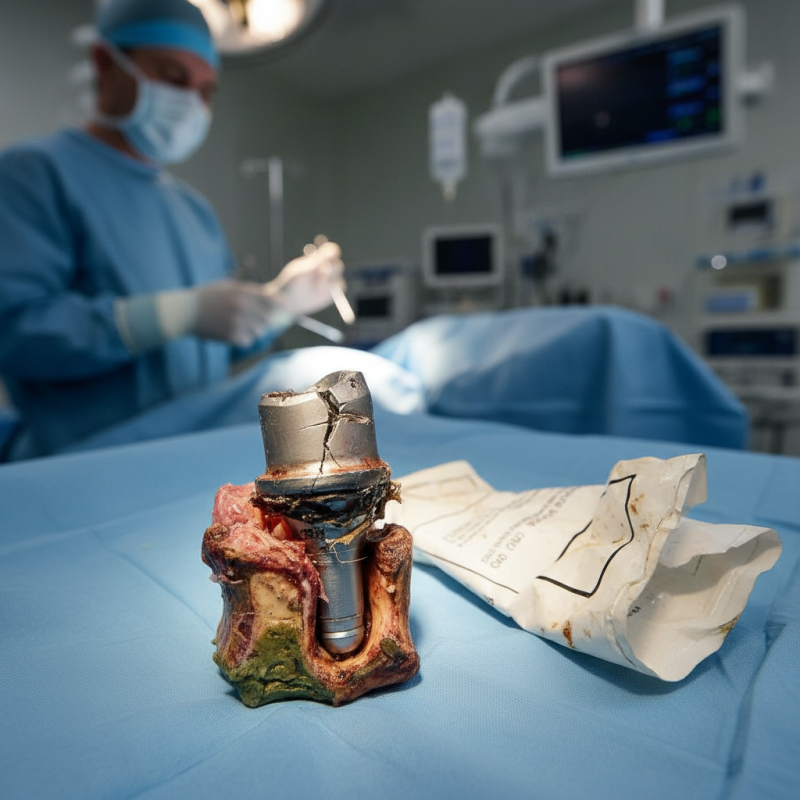
Risks of Choosing Low Quality Orthopedic Implants in 2026?

Risks Associated with Low Quality Orthopedic Implants in 2026

Low-quality orthopedic implants pose significant risks for patients in 2026. According to the World Health Organization, substandard implants can lead to high rates of complications, including infections and implant failures. A recent study published in the Journal of Orthopedic Surgery indicated that nearly 30% of patients with low-quality implants faced severe complications, necessitating additional surgeries.

Patients often experience delayed recoveries due to these inferior products. The use of low-quality materials can lead to chronic pain and dysfunction. A survey revealed that up to 25% of patients reported dissatisfaction after receiving these implants. Trust and safety are paramount in orthopedic procedures, and low-quality choices undermine both.

**Tips:** Always consult with certified orthopedic surgeons about the quality of implants. Research the materials used and the manufacturer’s reputation. Seek second opinions if unsure about recommendations.

The consequences of poor-quality implants extend beyond the operating room. They result in increased healthcare costs due to repeat surgeries and extended rehabilitation. A study by the Orthopedic Benchmark Group found that patients with complications incurred healthcare costs three times higher than those with successful surgeries. Choose wisely to avoid these pitfalls.

Impact of Material Quality on Implant Longevity and Patient Safety

Choosing low-quality orthopedic implants can lead to significant complications. Patients often face prolonged recovery times and increased pain. Material quality directly influences the longevity of these implants. High-grade materials ensure better integration with the body. In contrast, inferior materials can break down and fail prematurely.


In 2026, the stakes are higher. Physicians must evaluate the materials used in implants rigorously. Low-quality implants often come with unknown risks. These can result in serious safety issues for patients. Implant failures can lead to additional surgeries, further complications, and even loss of mobility.


Patients need to express concerns about the materials used in their implants. Awareness plays a vital role in ensuring safety. Informed decisions can safeguard against avoidable risks. It's crucial for both patients and healthcare providers to prioritize quality. Conversations around material quality should be open and honest. An informed patient is a safer patient.

Financial Implications of Medical Complications from Inadequate Implants

Choosing low-quality orthopedic implants can lead to significant financial consequences due to medical complications. An inadequate implant might result in severe pain, additional surgeries, and extended recovery times. Patients may face mounting medical bills that could outweigh initial savings on cheaper options. Beyond the immediate financial burden, there’s also the potential loss of work and livelihood due to prolonged rehabilitation.

When considering implants, it’s essential to prioritize quality over cost. An effective strategy is to consult with a specialized orthopedic surgeon. They can provide insights into the best materials and designs that meet individual needs. Understanding the importance of implant durability is crucial. Complications can arise from subpar devices, leading to costly revisions and extended hospital stays.

Tips: Always ask about the implant's history and success rates. A knowledgeable surgeon should provide transparent information on previous cases. Researching peer-reviewed studies can also offer reliable data on implant performance. Protecting your health should be the utmost priority, as financial savings may lead to far greater expenses down the line.

Case Studies of Failures Linked to Low-Quality Orthopedic Devices

The selection of orthopedic implants is crucial for successful surgical outcomes. A closer examination reveals alarming cases where low-quality implants have failed, causing dire consequences for patients. Reports from the American Academy of Orthopaedic Surgeons highlight that nearly 15% of patients experience complications attributed to subpar devices. These complications can lead to extreme pain, extended recovery times, and even the need for additional surgeries.

One case study involved a device that failed within months of installation. The patient faced severe infections and required multiple surgeries for removal and replacement. Research indicated that about 30% of implants sourced from unverified manufacturers resulted in similar failures. This raises critical questions regarding quality control in the orthopedic industry. Patients should remain vigilant and seek devices with verifiable quality standards.

The financial implications are significant, too. The National Institute of Standards and Technology estimated that each failed device could cost healthcare systems up to $500,000. These failures burden not only patients but also healthcare providers. It is vital for surgeons and patients alike to prioritize quality and conduct thorough research before choosing an orthopedic implant. The risks associated with low-quality devices extend beyond physical harm; they also affect overall trust in healthcare solutions.

Trends in Regulatory Standards for Implant Quality Assurance by 2026

In recent years, the medical community has increasingly focused on the quality of orthopedic implants. By 2026, there are emerging trends in regulatory standards aimed at ensuring higher quality assurance for implants. According to the International Organization for Standardization (ISO), around 50% of orthopedic implants currently face scrutiny for compliance with safety and quality regulations. This highlights a significant gap in meeting the increasing demands for robust implant performance.

Regulatory bodies are taking steps to tighten their standards. By 2026, the U.S. Food and Drug Administration (FDA) plans to enforce stricter pre-market evaluation protocols. This includes more rigorous testing procedures and enhanced post-market surveillance. The expectation is that these changes will address the alarming rate of complications linked to low-quality implants, which, according to recent studies, affect nearly 20% of patients within five years of implantation.

Moreover, experts emphasize the importance of transparency in implant manufacturing. Increased information on the materials and processes used is essential for both healthcare providers and patients. For instance, only 35% of manufacturers have disclosed their sourcing practices for raw materials. This lack of transparency raises concerns about the long-term reliability of implants. Focusing on quality assurance is crucial in mitigating risks associated with poor implants, ultimately safeguarding patient health.

Risks of Choosing Low Quality Orthopedic Implants in 2026

This chart illustrates the percentage increase in reported issues related to low-quality orthopedic implants from 2020 to 2026. The data highlights the growing concern over implant standards and the importance of regulatory compliance.

FAQS

: What impact does material quality have on orthopedic implants?

: Material quality affects longevity and patient safety. High-grade materials ensure better integration with the body.

What complications arise from low-quality implants?

Patients may experience prolonged recovery times, increased pain, and potential implant failures that necessitate further surgeries.

How can patients ensure the safety of their implants?

Patients should express concerns about implant materials and engage in open conversations with healthcare providers.

What are the financial implications of choosing inadequate implants?

Low-quality implants can lead to severe pain, additional surgeries, and mounting medical bills, far exceeding initial savings.

What should patients ask their surgeons about implants?

Always inquire about the implant's history, success rates, and the materials used in the creation process.

How is the regulatory landscape changing by 2026?

Regulatory bodies plan to enforce stricter standards, including more rigorous pre-market testing and enhanced post-market surveillance.

Why is transparency in implant manufacturing important?

Transparency helps in assessing the long-term reliability of implants and informs safer patient choices.

What are the expected trends in implant safety by 2026?

Increased scrutiny on compliance with safety regulations and improved quality assurance for orthopedic implants are anticipated.

How prevalent are complications from low-quality implants?

Studies show nearly 20% of patients experience complications linked to low-quality implants within five years of implantation.

What role do specialized orthopedic surgeons play in choosing implants?

They offer insights into the best materials and designs, emphasizing the importance of durability and safety for patients.

Conclusion

In 2026, the risks of buying low-quality orthopedic implants are becoming increasingly significant as advancements in material science and medical procedures continue to evolve. The longevity and safety of implants are heavily influenced by material quality, with inferior products often leading to complications that compromise patient outcomes. Financial ramifications can also be severe, as medical issues arising from inadequate implants can result in costly treatments and additional surgeries.

Examining case studies reveals numerous failures linked to low-quality orthopedic devices, underscoring the critical need for vigilance in the selection process. Additionally, regulatory standards are likely to tighten in response to these ongoing challenges, promoting a structured approach to implant quality assurance. Understanding what are the risks of buying low-quality orthopedic implants is essential for both healthcare providers and patients to ensure optimal care and minimize the potential for adverse events.

Oliver

Oliver

Oliver is a seasoned marketing professional with a wealth of expertise in driving brand awareness and engagement. With a deep understanding of our company's product offerings, he consistently delivers high-quality content that enriches our professional blog. His insights not only shed light on......