Horaizon Orthopedic Implants
In the field of orthopedic implants, costs can vary widely. "Why do orthopedic implants prices vary by material and specification?" This question often perplexes both patients and healthcare professionals. Dr. Emily Carter, an orthopedic surgeon with over 15 years of experience, states, "Material choice significantly affects both price and performance of implants."
Different materials, such as titanium and stainless steel, have unique properties. Some are stronger, while others are lighter. Each choice balances cost and functionality. Additionally, intricate designs and specifications influence manufacturing costs. Hospitals often face tough decisions to meet both budget and quality standards.
Understanding price variations requires a closer look at individual cases. What works for one patient may not be suitable for another. There is no perfect answer. Many factors contribute to the price of orthopedic implants. Awareness of these complexities can help patients make informed choices about their healthcare options.
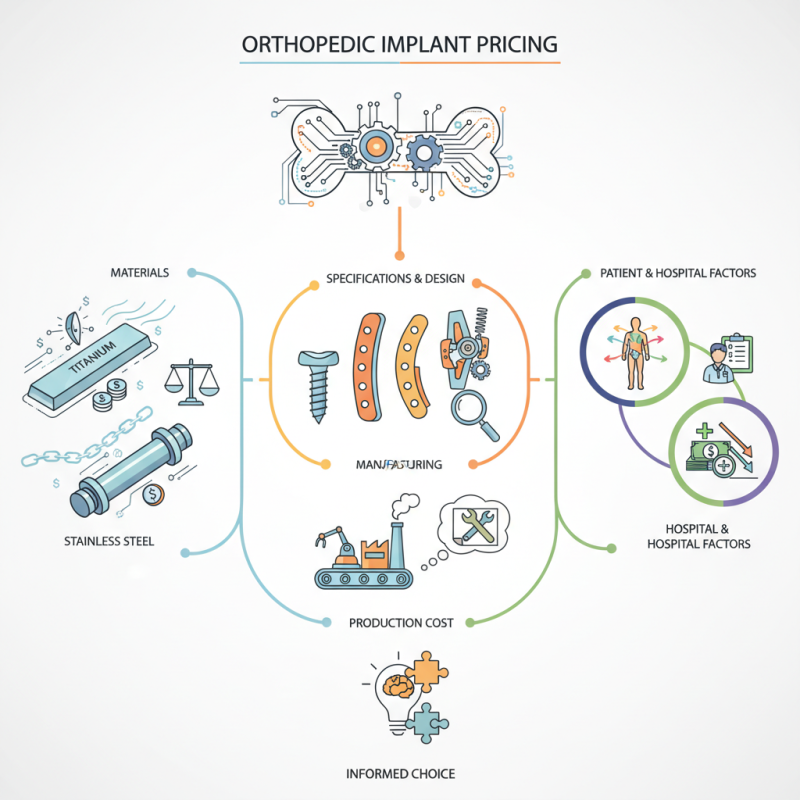
Orthopedic implants vary significantly in price due to their material composition. Each material offers distinct properties that influence both function and longevity. Titanium, for example, is lightweight and strong. However, it's more expensive than stainless steel. Stainless steel is durable but may not integrate as well with bone over time.
In addition to the base materials, the specifications of each implant play a crucial role. Coatings to enhance biocompatibility can add to costs. Some implants are treated to resist corrosion, which affects their lifespan. However, these advanced features come at a premium.
Patients often face challenges understanding these differences. They may assume higher prices mean better quality, but that isn't always the case. Sometimes, the more affordable option meets clinical needs, while expensive implants offer specific advantages. It's essential to balance cost with the specific medical requirements. Each choice carries implications for health outcomes, requiring careful consideration.
The specifications of orthopedic implants greatly influence their cost. Different materials, like titanium and stainless steel, offer distinct benefits. Titanium is lightweight and has excellent biocompatibility. Stainless steel is durable and cost-effective but may have higher corrosion risks. Such factors play a crucial role in determining pricing.
The design features also impact expenses. Customized implants often demand higher costs due to advanced manufacturing processes. Surface treatments can enhance longevity but may add to the overall price. Understanding these specs helps patients make informed decisions. However, not every feature adds value. Some high-priced components might not significantly improve outcomes. Exploring these aspects can reveal more about what you’re paying for in orthopedic implants.
The prices of orthopedic implants vary significantly based on material and specifications. Market dynamics largely dictate these costs. The demand for advanced materials, like titanium or cobalt-chromium, has surged. Such materials are often more expensive. Innovations drive up the price but offer better outcomes for patients.
Supply factors also play a crucial role. Manufacturing processes can be complicated and costly. Quality control and regulatory requirements add to the expenses. Limited suppliers for high-end materials can create scarcity, further inflating prices. In some cases, lower-cost implants could compromise quality and longevity, raising questions about their value.
Surprisingly, patients often lack awareness of these pricing factors. The complexity of the supply chain is not obvious. It's important for stakeholders to reflect on how pricing influences patient choices. Transparent pricing could enhance trust and decision-making. Understanding material science becomes essential for both providers and patients. This knowledge can empower informed decisions.
This bar chart illustrates the average price of orthopedic implants based on different materials used. The prices can vary significantly, influenced by factors such as material properties, manufacturing costs, and market demand. For instance, titanium implants tend to be the most expensive due to their strength and biocompatibility, while polyethylene implants are the least expensive due to lower material costs.
Regulatory standards play a crucial role in the pricing of orthopedic implants. Each country has specific regulations that influence how these devices are manufactured and sold. Compliance with these standards often requires extensive testing and validation processes. This can significantly increase the costs associated with the development of certain materials and specifications. Manufacturers then pass these costs onto healthcare providers.
Variations in regulations are common. For instance, some regions may require more stringent safety tests than others. This leads to differences in pricing for implants made from advanced materials, which may meet higher standards but also come at a premium. This creates a complex landscape for pricing, where the same type of implant can have varied costs based on where it’s sold.
The impact of regulatory practices extends beyond mere pricing. It can also affect availability. In some cases, highly regulated implants may be less accessible to patients. Doctors must navigate these complexities while considering the best options for their patients. Reflection on these dynamics shows that the interplay between regulations and market pricing is intricate and often challenging.
The landscape of orthopedic implants is rapidly evolving due to advancements in materials and technology. Innovations are driving changes in design and functionality, which can significantly affect pricing. For example, titanium implants are more expensive than stainless steel due to their superior strength-to-weight ratio and biocompatibility. Reports indicate that titanium's market growth rate is projected to reach 5% annually from 2022 to 2027.
However, not all innovations lead to clear cost benefits. While some new materials promise longer lifespan and better integration with bone tissue, their development and production costs can be high. A study published in the Journal of Orthopedic Research noted discrepancies in pricing; some high-tech implants can be four times more expensive than traditional options. This raises questions about whether the increased investment truly translates to better patient outcomes.
The financial implications of these advancements are significant. Hospitals often face pressure to balance quality with cost-efficiency. Interestingly, about 30% of all surgical expenses are attributed to implants. As healthcare providers navigate these choices, the conversation about effective allocation of resources is becoming ever more important. They often must weigh the benefits of cutting-edge technology against budget constraints.
: Prices vary due to material composition and specifications, affecting both function and longevity.
Titanium is lightweight and strong, but it is typically more expensive than other materials.
Stainless steel is durable and more affordable but may not integrate as well with bone over time.
Advanced coatings for biocompatibility and treatments for corrosion resistance can raise the price.
Not always. Sometimes, less expensive implants meet clinical needs just as effectively.
Increased demand for advanced materials drives up prices, while limited suppliers can create scarcity.
They could compromise on quality and longevity, which raises concerns about long-term value.
Awareness of pricing factors and material science helps patients make informed choices regarding their health.
It builds trust and aids decision-making for patients and providers alike.
Gaining knowledge about materials and price influences helps patients make better health decisions.
The article "Why Do Prices of Orthopedic Implants Differ by Material and Specs?" explores the various factors influencing the prices of orthopedic implants. It begins by examining the material composition of these implants, highlighting how different materials can significantly affect their costs due to variations in durability, biocompatibility, and manufacturing complexities. The discussion then shifts to the specifications of orthopedic implants, illustrating how features such as design intricacies and advanced functionalities can further influence pricing.
Additionally, market demand and supply dynamics play a critical role in determining implant prices, as do regulatory standards that govern the industry and may add to manufacturing costs. Lastly, innovations in implant technology are presented as a double-edged sword; while they may enhance patient outcomes, they also contribute to higher prices. Overall, the article seeks to answer the critical question: "Why do orthopedic implants prices vary by material and specification?" by analyzing these multifaceted factors.
