Horaizon Orthopedic Implants Horaizon Orthopedic Implants

Why Choose Orthopedic Implants with Traceability for Safety?

Time:2026-05-01 Author:Liam
0%

In today's healthcare landscape, the importance of traceability in orthopedic implants cannot be overlooked. Increasingly, medical professionals emphasize the necessity for safety and reliability. According to a report by the International Journal of Orthopedic Research, over 30% of complications arise from poor tracking of device history. Traceability ensures that any faulty product can be promptly identified and recalled, protecting patients from potential harm.

Dr. Emily Johnson, an orthopedic surgeon with over 15 years of experience, states, "Why is it important to choose orthopedic implants with traceability? It could save lives." This sentiment echoes the urgent need for transparency in the supply chain. Moreover, recent data shows that hospitals with traceable systems report 40% fewer adverse events related to implants. Such statistics highlight the critical role of implant traceability in enhancing patient safety.

Nevertheless, the implementation of traceability systems is often inconsistent across healthcare facilities. This gap raises questions about the overall effectiveness of the healthcare system in safeguarding patients. As the industry moves forward, addressing these disparities will be crucial for fostering trust and ensuring optimal safety in orthopedic procedures.
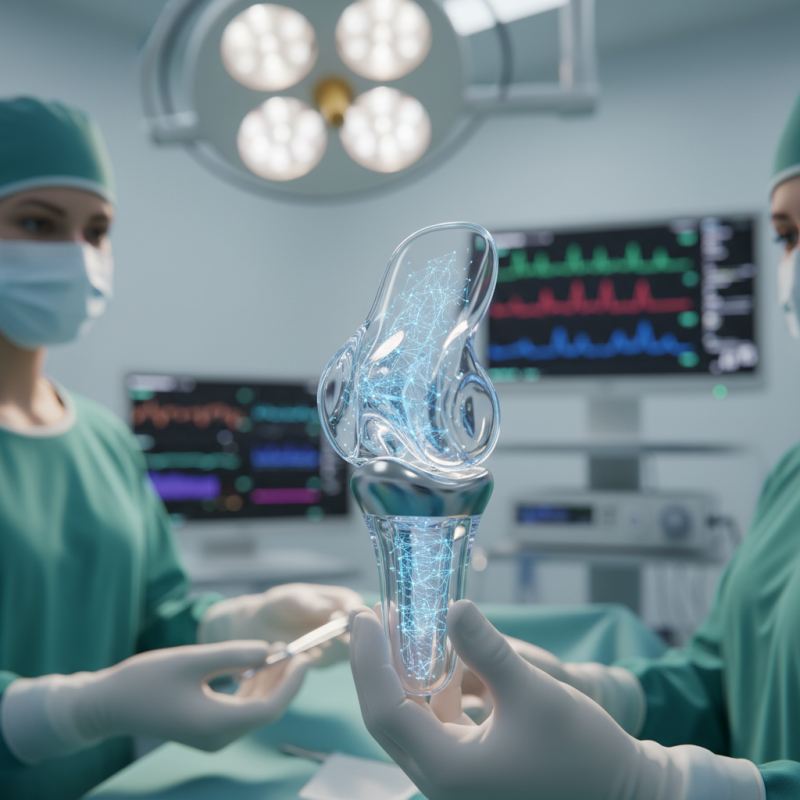
Why Choose Orthopedic Implants with Traceability for Safety?

The Importance of Traceability in Orthopedic Implants

The importance of traceability in orthopedic implants cannot be overstated. It ensures that every implant can be tracked throughout its lifecycle. This not only enhances patient safety but also builds trust between patients and healthcare providers. In the event of complications, having traceability allows for quick identification of affected products.

Tips: Always inquire about traceability when discussing implants with your healthcare provider. Understanding the origin of the device can empower you as a patient.

Sometimes, however, the systems in place for tracking can be flawed. Incomplete records or manufacturing issues can compromise safety. It is crucial for manufacturers to prioritize these systems. Quality assurance processes must include robust traceability measures.

Tips: Consider asking about the traceability protocols during your consultation. Being proactive can help ensure that safety remains a priority in your treatment.

Importance of Orthopedic Implants Traceability

This chart illustrates the percentage of safety incidents associated with orthopedic implants based on their traceability. As shown, implants without traceability have a higher rate of safety incidents compared to those that are traceable.

Understanding Orthopedic Implants: What You Need to Know

Orthopedic implants play a crucial role in various medical interventions. They are designed to support or replace damaged bones and joints. Surgeons rely on these devices for effective patient outcomes. However, not all implants are created equally. Understanding the features and safety aspects of orthopedic implants is essential for informed decisions.

Traceability is a key factor in ensuring patient safety. It refers to the ability to track the implant's journey from manufacturer to patient. This process allows for swift action in case of recalls or adverse events. When healthcare providers have full transparency about an implant's history, patient trust improves significantly. Many patients do not know how an implant was made or tested. This oversight can lead to anxiety and uncertainty.

Choosing implants with traceability can enhance safety. Knowing that an implant is monitored throughout its lifecycle is reassuring. Yet, not everyone understands the importance of this feature. Some may overlook the need for thorough vetting of the implants they receive. Awareness and education on this topic are crucial.

As patients, individuals should advocate for their safety by asking more questions about the implants proposed for their treatment.

Key Safety Benefits of Traceable Orthopedic Implants

Orthopedic implants with traceability offer significant safety benefits. They ensure that patients receive reliable products backed by a clear history. Traceability allows healthcare professionals to track the origin of each implant. This knowledge is crucial for understanding potential risks associated with individual devices. Transparency in the manufacturing process builds trust between patients and medical providers.

Patients can feel confident when they know their implants are fully traceable. If complications arise, identifying issues becomes much more straightforward. Medical teams can act quickly to address any concerns related to specific brands or batches. This capability is essential for optimal patient care and safety.

Tips for patients considering orthopedic implants include asking about traceability. Inquire where the implants originated and how their history is documented. Understand the processes used to ensure quality control. It's also important to reflect on personal health issues that could impact recovery. Discuss these openly with your healthcare provider. Ultimately, traceable orthopedic implants enhance safety and can lead to better health outcomes.

Regulatory Standards and Traceability in Medical Devices

In recent years, regulatory standards for medical devices have become more stringent. Traceability is a key aspect of these standards. It allows for precise tracking of orthopedic implants. This ensures that manufacturers can monitor safety and effectiveness throughout a product's life cycle. When devices are traceable, any issues can be addressed swiftly.

The complexity of the supply chain makes traceability crucial. Each implant can pass through numerous hands before reaching the patient. If a device fails, knowing its origin helps identify the problem. Without proper traceability, patients may face unnecessary risks. When components lack clear histories, the potential for complications increases.

Quality control is vital in orthopedic device production. Manufacturers are under pressure to meet high safety standards. However, lapses can occur, leading to defective products reaching the market. Continuous monitoring and improvement in traceability methods are essential. There's always room for better practices, especially in documenting each stage of the supply chain. The focus should remain on patient safety, as every detail matters.

Why Choose Orthopedic Implants with Traceability for Safety?

Aspect Description Regulatory Standards Traceability Features
Quality Control Ensures the implants meet safety and efficacy standards. ISO 13485, FDA 21 CFR 820 Real-time monitoring of production processes.
Patient Safety Reduces risks associated with implant failure or recall. FDA Medical Device Reporting Unique Device Identification (UDI) for tracking.
Regulatory Compliance Meets mandatory requirements for medical device approval. IEC 60601, MDD 93/42/EEC Automated reporting for audits and inspections.
Recall Management Facilitates rapid response in case of product recall. FDA Recall Regulations Traceability system to identify affected products.
Consumer Confidence Enhances trust in the safety and efficacy of implants. ISO 14971 for Risk Management Transparent information accessible to patients.

Best Practices for Ensuring Implant Traceability and Safety

Traceability in orthopedic implants is crucial for patient safety. Each device should have clear records, tracking its production and distribution. This practice allows for quick identification in case of recalls, ensuring that patients are protected. With traceability, doctors can find out exactly where an implant came from, which materials were used, and what tests it underwent.

Implementing best practices for traceability requires a systematic approach. Manufacturers must maintain detailed documentation at every stage, from design to shipment. Regular audits can reveal gaps in records that need addressing. Healthcare providers should also have a clear system to access this information. They often face challenges due to varying levels of organization and communication within facilities.

A focus on continuous improvement is essential. Mistakes can occur during the tracking process, leading to misinformation. It's necessary for all stakeholders, including surgeons and suppliers, to be vigilant and proactive. Sharing insights from past experiences can help refine the traceability process. Patient safety should always be the top priority, guiding every improvement made in this field.

FAQS

: Why is traceability important for orthopedic implants?

: Traceability allows tracking of implants throughout their lifecycle, enhancing patient safety and trust in healthcare.

How can traceability improve patient outcomes?

It facilitates quick identification of affected products during complications, enabling faster responses from medical teams.

What should patients ask about orthopedic implants?

Patients should inquire about the traceability of their implants and understand their origin and testing history.

Are all orthopedic implants equally safe?

No, not all implants meet the same safety standards; understanding their features is essential for informed choices.

What flaws might exist in traceability systems?

Incomplete records or manufacturing issues can compromise safety and hinder traceability efforts in some cases.

How can patients be proactive regarding implant safety?

Asking detailed questions about traceability and quality control can empower patients in their treatment decisions.

What role does transparency play in patient trust?

Transparency in manufacturing and tracking of implants builds trust between patients and healthcare providers significantly.

Can traceable implants help during recalls?

Yes, they allow for swift actions during recalls, minimizing risks to patients and ensuring better safety.

What awareness do patients need about implants?

Patients often overlook the importance of vetting implants, which can lead to anxiety regarding their safety.

Conclusion

Choosing orthopedic implants with traceability is crucial for ensuring patient safety and enhancing the overall quality of care. Traceability in orthopedic implants allows for comprehensive tracking of the product from manufacturing to implantation, enabling healthcare providers to respond effectively in case of device recalls or complications. Understanding the structure and function of orthopedic implants, along with the regulatory standards governing them, emphasizes the need for transparent mechanisms in their production and distribution.

The key safety benefits of traceable orthopedic implants include improved monitoring of device performance and a more precise identification of any issues that may arise. By adhering to best practices for implant traceability, healthcare facilities can significantly mitigate risks associated with implant failures and improve patient safety outcomes. Ultimately, the question of "Why is it important to choose orthopedic implants with traceability?" is answered through the demonstrated benefits of accountability and reliability in the orthopedic field.

Liam

Liam

Liam is a dedicated marketing professional with a profound expertise in the industry, where he excels at highlighting the unique advantages of our core products. With a keen understanding of market trends and consumer needs, Liam frequently updates our company’s professional blog, providing......