Horaizon Orthopedic Implants Horaizon Orthopedic Implants

What is the Minimum Order Quantity for Custom Orthopedic Implants?

Time:2026-06-01 Author:Sienna
0%

Custom orthopedic implants are gaining traction in the medical field. Surgeons and patients increasingly seek tailored solutions for unique anatomical needs. However, an essential question arises: What is the minimum order quantity for custom orthopedic implants?

Understanding this aspect is crucial for both manufacturers and healthcare providers. Custom implants often require significant resources. This includes design, production, and materials. The minimum order quantity impacts costs, inventory management, and overall feasibility. Smaller clinics may hesitate, fearing large orders could lead to wasted stock.

Moreover, the demand for personalized implants is growing. As patient-specific solutions become standard, knowing the minimum order can guide procurement decisions. It's a balancing act of meeting patient needs and managing costs. Effective communication between manufacturers and buyers is vital for successful partnerships.
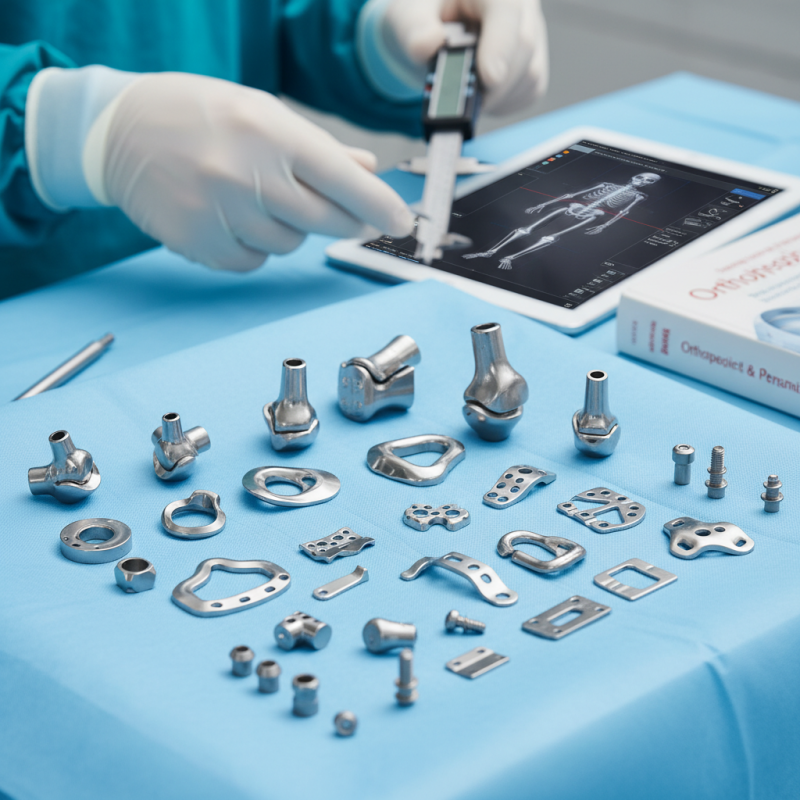
What is the Minimum Order Quantity for Custom Orthopedic Implants?

Understanding Minimum Order Quantity for Custom Orthopedic Implants

Understanding the minimum order quantity (MOQ) for custom orthopedic implants is vital for hospitals and surgical centers. According to industry reports, the MOQ often ranges from 5 to 50 units, depending on the complexity of the design and materials used. This is a crucial factor for medical facilities managing inventory and costs.

Manufacturers face challenges setting the MOQ. High precision and materials specificity increase production costs. Additionally, the variability in patient needs complicates bulk ordering. A report from the Orthopedic Implant Association notes that short production runs can result in higher per-unit costs. Facilities must balance their requirements against financial constraints. This often leads to difficult decisions about purchasing stock.

In practice, many facilities find themselves overstocked with certain implants while lacking others. This imbalance highlights a gap in supply chain efficiency. As technology advances, 3D printing and digital design may help alleviate some of these issues, but the transition can be slow. Optimizing order quantities will require ongoing assessment of patient demographics and surgical trends. Understanding these variables is essential for responsible decision-making in orthopedic implant procurement.

Factors Influencing Minimum Order Quantity in Orthopedic Implants

When considering custom orthopedic implants, several factors influence the minimum order quantity (MOQ). One primary factor is the complexity of the design. Custom implants often require specialized materials and precision manufacturing. This adds time and cost, impacting MOQ.

Another aspect is the anticipated market demand. If a surgeon uses a specific implant frequently, the MOQ might be lower. However, for rare cases, higher MOQs may be necessary to offset production costs. A balance between customization and cost-effectiveness is vital in determining order quantities.

Tip: Always communicate with manufacturers about your specific needs. Clear specifications can help tailor the order to your requirements. Knowing the average demand can also guide your decisions.

Furthermore, lead times play a crucial role. If an implant requires lengthy production and approval processes, a higher MOQ may be unavoidable. Manufacturers often prefer larger batches to manage logistics efficiently. This could be an area to reflect on to ensure the process aligns with surgical schedules.

Tip: Plan ahead and consider stock levels. Having enough implants on hand can prevent delays in surgeries. Sharing forecast data with suppliers might also help negotiate better terms. This way, you can create a reliable supply chain for custom orthopedic implants.

Importance of Minimum Order Quantity for Manufacturers and Distributors

Setting the minimum order quantity (MOQ) for custom orthopedic implants is vital for manufacturers and distributors. MOQs dictate the minimum units a buyer must purchase. This quantity directly impacts inventory management and production efficiency. High MOQs can lead to excess stock, while low MOQs may result in higher costs per unit.

For manufacturers, understanding the implications of MOQ can shape business strategies. A well-set MOQ helps balance demand with production capabilities. It avoids production bottlenecks and optimizes resource allocation. However, determining this number is not always straightforward. Factors such as material availability, production capabilities, and market demand fluctuate regularly.

Distributors also rely on MOQs for effective inventory turnover. A miscalculated MOQ can force them to hold unnecessary stock, tying up capital. They need to consider their customer needs while aligning with manufacturers’ production schedules. Often, they face the challenge of adjusting MOQs to suit different customers. This can foster a learning environment for both parties to foster innovative solutions.

Strategies to Determine the Right Minimum Order Quantity

Determining the minimum order quantity (MOQ) for custom orthopedic implants is crucial for manufacturers and healthcare providers. An effective strategy begins with understanding patient needs and clinical requirements. Collaborating with orthopedic surgeons can provide insights into demand trends. This helps in predicting future orders and prevents overproduction. Engaging in ongoing discussions with medical professionals ensures adaptability in the design and delivery process.

Data analysis plays a vital role in setting the right MOQ. Evaluating past purchasing patterns helps manufacturers gauge the average usage rate. It’s essential to factor in production capacity and material costs. However, this process can be imperfect. Market fluctuations may lead to unforeseen demands. Regularly reviewing the MOQ based on market dynamics allows for better alignment with client expectations. Accurate forecasting can still be challenging, highlighting the need for flexibility in the ordering process. Decision-makers should remain open to adjusting their strategies based on emerging trends and feedback from healthcare partners.

Common Industry Practices for Managing Minimum Order Quantities

When managing Minimum Order Quantities (MOQs) for custom orthopedic implants, several industry practices come into play. Companies often determine MOQs based on production costs and material availability. A common approach is to calculate the cost-effectiveness of larger orders. This minimizes waste while ensuring sufficient stock for timely deliveries. Nevertheless, the challenge lies in balancing quantity with customer demand. Producing too many implants can result in excess inventory, leading to financial losses.

Effective communication with healthcare providers is essential. Understanding their needs can help tailor MOQs that align with actual usage rates. Some manufacturers establish flexible MOQs to accommodate smaller orders. This adaptability can enhance partnerships and improve service. However, there are risks. Smaller production runs may lead to higher per-unit costs, impacting pricing strategies. These decisions require careful consideration and ongoing evaluation.

Innovating within the supply chain becomes crucial. Collaborating with suppliers can streamline materials sourcing, allowing for optimized MOQs. Additionally, employing just-in-time production methods reduces the burden of large stockpiles. Companies must reflect regularly on these practices. Continuous improvement ensures they remain aligned with industry standards while maintaining quality and responsiveness to the market.

FAQS

: What factors influence the minimum order quantity for custom orthopedic implants?

: Factors include design complexity, market demand, and lead times. Complexity increases costs, affecting MOQ.

How does market demand impact MOQ?

Frequent use by surgeons can lower MOQ. Rare cases may increase MOQ to cover production costs.

Why is communication with manufacturers essential?

Clear specifications ensure orders meet specific needs. It helps in setting appropriate MOQs.

What role do lead times play in MOQ determination?

Longer lead times can result in higher MOQs. Manufacturers prefer larger batches for better logistics.

How can healthcare providers manage stock levels effectively?

Planning ahead and considering current stock can prevent surgery delays. Sharing forecasts can improve supply chain reliability.

What challenges do manufacturers face in setting MOQs?

They must balance demand, production capabilities, and material availability. Fluctuating factors complicate the process.

Why do distributors care about MOQs?

MOQs affect their inventory turnover. Miscalculating can lead to excess stock and tied-up capital.

What strategies can help determine the right MOQ?

Understanding patient needs and analyzing past purchasing trends are critical. Collaborating with surgeons is also beneficial.

How can data analysis assist in setting MOQs?

Evaluating purchasing patterns helps gauge usage rates. However, market changes can make forecasting difficult.

What should decision-makers remain open to regarding MOQs?

Flexibility is key. They should adjust strategies based on trends and feedback from healthcare professionals.

Conclusion

The article titled "What is the Minimum Order Quantity for Custom Orthopedic Implants?" delves into the critical aspects of determining minimum order quantities (MOQ) in the context of custom orthopedic implants. It outlines the factors that influence MOQs, including production costs, material availability, and market demand. Understanding these elements is vital for manufacturers and distributors, as the MOQ not only impacts inventory management but also affects pricing strategies and customer satisfaction.

Additionally, the article emphasizes the importance of establishing the right MOQ to balance production efficiency with market needs. It outlines strategies for determining appropriate MOQs, such as analyzing past sales data and collaborating with stakeholders. Common industry practices for managing these quantities are also discussed, helping businesses optimize their operations while ensuring they meet the diverse needs of healthcare providers and patients alike.

Sienna

Sienna

Sienna is a skilled marketing professional with a deep expertise in our company’s core products and services. With a passion for innovation and detail, she plays a pivotal role in crafting insightful blog posts that not only highlight the unique features of our offerings but also provide valuable......