Horaizon Orthopedic Implants Horaizon Orthopedic Implants

Top Tests for Orthopedic Implants Before Purchase?

Time:2026-11-26 Author:Charlotte
0%

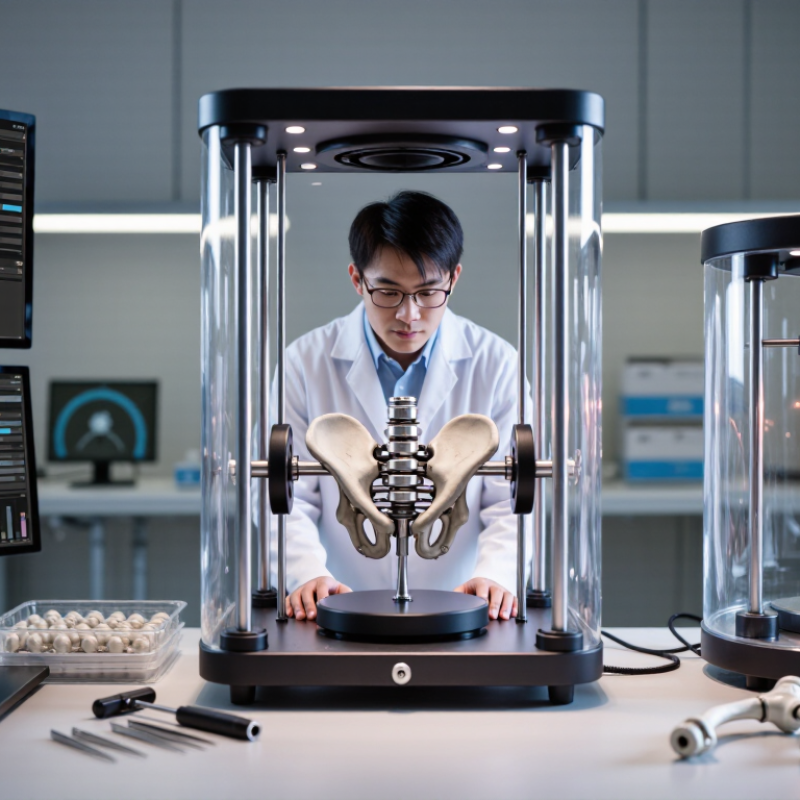
Before selecting an orthopedic implant, buyers need evidence that it performs safely under demanding conditions. What is the process of testing orthopedic implants before purchase? It begins with reviewing the device’s intended use, design, materials, and test documentation. Then, relevant bench tests examine fatigue strength, wear, corrosion, and fixation. A hip implant, for example, may undergo repeated loading while engineers measure wear particles and changes in its surfaces.

Biological safety, sterilization, packaging integrity, and manufacturing traceability also matter. Ask suppliers for full reports, not just a pass-or-fail summary. Check whether test methods match the implant’s design and intended clinical use. Orthopedic biomechanics researcher Steven M. Kurtz has studied implant performance and wear. A careful paraphrase of his published work is: Test results matter only when their conditions reflect real-world use.

Details matter. Look for test loads, cycle counts, sample sizes, failure criteria, and any deviations from standard methods. Independent review can help clarify gaps, especially when results come from different laboratories. No single test proves that an implant will succeed in every patient. Patient anatomy, surgical technique, and activity can all affect outcomes. That uncertainty deserves attention.

A practical pre-purchase review compares test evidence with the supplier’s claims and the device’s intended application. It also checks whether the reports identify the exact model and material being offered. A polished summary is not enough. Sometimes the missing detail is the warning sign. This overview supports informed evaluation; it does not replace clinical judgment or a qualified regulatory review.
Top Tests for Orthopedic Implants Before Purchase?

Identify the Implant’s Intended Use and Applicable Standards

Before comparing test reports, define what the implant is meant to do. Record the anatomical site, intended patient group, fixation method, and expected service life. A load-bearing plate, spinal cage, and joint component face different forces and failure modes. Be specific. Note whether the device is permanent or temporary, and whether it is supplied sterile. These details shape the evidence needed; a generic “orthopedic implant” checklist can hide important gaps.

Map each intended use to applicable standards and regulatory requirements in the markets where the implant will be supplied. Standards may address mechanical fatigue, wear, corrosion, material characterization, biological evaluation, sterilization, and packaging. Not every test applies to every design. For example, wear testing is relevant to articulating surfaces, while fixation strength may matter more for a porous bone-contact surface. Confirm standard titles and editions using current official sources. Document why each test was selected or excluded.

Request protocols, acceptance criteria, sample sizes, and reports tied to the exact design and manufacturing state. Check whether fixtures represent clinical loading, not merely convenient laboratory conditions. A polished report is not enough. Small changes in geometry, coating, or sterilization can affect results. Bench tests cannot reproduce every clinical situation, and that limitation deserves a clear note.

Evaluate Material Composition and Chemical Safety

Before considering an orthopedic implant, check what it is made of—not just how it looks. Ask for the material grade, alloying elements, coating details, and documentation linking the tested sample to the device. A smooth, silver surface proves very little. Small differences in composition or finishing can affect corrosion and wear. The paperwork matters.

Ask whether testing assessed chemical composition, corrosion, and the release of metal ions or other substances under relevant conditions. Reports should describe the test method, sample preparation, and acceptance criteria. Look for clear results, not just a claim that the implant is “biocompatible.” No single test answers every safety question. The implant’s location, expected service life, and your medical history also matter. Review the findings with your orthopedic clinician; a test report is useful, but it is not a personal treatment recommendation.

Tips: Request recent, device-specific test summaries. Check that the tested materials match the implant being offered. If a report uses unfamiliar terms, ask the clinician or a qualified materials specialist to explain them. I might miss a detail on first reading, too—so pause and verify before deciding.

Test Mechanical Strength, Wear, and Fatigue Resistance

Mechanical strength tests examine whether an implant can withstand expected loads without bending, cracking, or loosening. Engineers may apply compression, tension, or twisting forces using fixtures that reflect the device’s intended placement. Ask for the test setup, sample count, acceptance criteria, and failure observations—not only a pass statement. A photograph of a fractured component can show where stress concentrated. Useful detail. Results matter only when test conditions resemble real use and their limits are clearly explained.

Wear testing measures material loss and debris after repeated movement under controlled loads. For joint components, review the motion, lubricant, load cycle, and reported wear rate. Fatigue testing applies repeated loads over many cycles, often until a defined endpoint or failure. Check whether the duration and force levels reflect the implant’s intended use. Testing on sterilized samples may also matter, depending on the material and design. No test recreates every patient. That is easy to forget. Compare reports cautiously, and ask a qualified clinician or biomedical specialist to interpret gaps. A polished report can still leave questions: What was not tested? How was sample variation handled? Did inspection reveal cracks, surface damage, or changes in fit?

Assess Biocompatibility and Sterilization Compatibility

Top Tests for Orthopedic Implants Before Purchase?
Assess Biocompatibility and Sterilization Compatibility

Before purchase, request a biological evaluation tied to the implant’s exact materials, coatings, and manufacturing residues. ISO 10993-1:2018 classifies contact duration as limited (up to 24 hours), prolonged (over 24 hours to 30 days), or long-term (over 30 days). That distinction matters. A temporary device and a permanent joint implant need different evidence. Review relevant cytotoxicity, sensitization, irritation, and systemic toxicity assessments, with reasons for any omitted tests. The FDA’s 2023 guidance on ISO 10993-1 supports a risk-based evaluation rather than a fixed checklist. Ask whether testing covers the finished device, not only raw material samples. Surface finishing can change what tissue contacts.

Sterilization compatibility needs equal scrutiny. Request the validated method, packaging configuration, and evidence that sterilization does not alter strength, surface chemistry, or coating adhesion. ISO 11135 and ISO 11137 cover ethylene oxide and radiation sterilization validation. A commonly applied sterility assurance level for implants is 10⁻⁶. For ethylene oxide, review residual data under ISO 10993-7, including aeration conditions and worst-case loads. For radiation, ask whether exposure affected polymer parts or porous coatings. Check that shelf-life evidence matches the sterilized packaging configuration. Small details matter. Reports may look complete but cover a different size or finish. I would flag that gap, even when the material name appears unchanged.

Orthopedic Implant Checks Before Purchase

Illustrative temperatures used in common sterilization processes (°C)

These are representative process temperatures, not universal cycle requirements or material-compatibility limits. Confirm that the implant and its packaging tolerate the supplier’s validated sterilization process. For biological safety, review the risk-based evaluation under ISO 10993-1, including relevant evidence for cytotoxicity, irritation, sensitization, and chemical characterization. Sterilization validation should follow the applicable method standard, such as ISO 11135 for ethylene oxide, ISO 17665 for moist heat, or ISO 11137 for radiation.

Review Clinical Evidence, Traceability, and Quality Records

Clinical evidence should match the implant’s intended anatomy, fixation method, and patient group. Published trials offer useful detail, while joint registries can show performance across broader practice. The National Joint Registry’s 2024 Annual Report covers more than three million joint replacement procedures, demonstrating the scale of real-world surveillance. That scale helps, but it is not proof that every implant performs equally well. Compare revision definitions, follow-up periods, and missing-data rates. Check the denominator behind every percentage. Look for subgroup results, too; older patients and complex cases may have different outcomes.

Traceability depends on more than a label. Request the device’s unique identifier, lot or serial details, implant specifications, and records linking the supplied item to its production batch. The FDA’s Global Unique Device Identification Database can help verify device information. Quality records should also include current inspection results, material specifications, sterilization documentation, and change-control history. Check that document versions match the exact model being considered. Keep the originals. A tidy dossier can still leave gaps, especially when evidence covers an older design or a different patient population. Ask who reviewed those gaps, and record the answer.

Top Tests for Orthopedic Implants Before Purchase? - Review Clinical Evidence, Traceability, and Quality Records

Use this checklist to review evidence relevant to the specific implant, intended use, materials, and market. Standards and regulatory requirements may vary; confirm the applicable edition and scope with qualified regulatory and clinical reviewers.

Review area Tests or records to review What the evidence should establish Useful references (as applicable)
Mechanical performance Device-specific static strength, fatigue, wear, or construct testing; test reports identifying samples, methods, loading conditions, and results. Performance under conditions representative of the intended anatomy and use, with a documented rationale for test configuration and acceptance criteria. Examples include ASTM F2077 for intervertebral body fusion devices, ASTM F1717 for spinal implant constructs, ASTM F382 for metallic bone plates, and ISO 7206 series for total hip-joint prostheses. Applicability depends on device type.
Material and manufacturing controls Material specifications, supplier certificates, chemical composition and mechanical-property records, manufacturing process validation, and inspection results. The finished device uses controlled, specified materials and validated processes; records link material and manufacturing lots to released product. Review device-specific material standards where relevant, such as ASTM F136 for wrought titanium-6aluminum-4vanadium ELI alloy for surgical implant applications. A material standard alone does not establish finished-device safety or performance.
Biological safety Biological evaluation plan and report; relevant test reports or scientific justifications covering the device’s materials, manufacturing residues, contact type, and duration. A risk-based evaluation addresses relevant biological hazards for the finished device and its intended patient contact. Check that changes in materials or processing are considered. ISO 10993 series, including ISO 10993-1 for evaluation and testing within a risk-management process. Not every device requires every biological test.
Corrosion and wear Applicable corrosion, fretting, wear, or particulate-generation studies, including test conditions and analysis methods. Potential degradation and material-release risks are assessed for the relevant material pairings, interfaces, and physiological use conditions. Request methods appropriate to the implant design and materials. There is no single corrosion or wear test that applies to every orthopedic implant.
Sterilization and sterile barrier Sterilization validation and routine-control records; packaging validation; evidence supporting the labeled sterile condition and shelf life. The specified sterilization process is validated and controlled, and the packaging maintains the sterile barrier through the claimed shelf life and distribution conditions. Examples include ISO 11135 for ethylene oxide sterilization, ISO 11137 series for radiation sterilization, ISO 17665 for moist-heat sterilization, and ISO 11607 series for packaging of terminally sterilized medical devices. Use only the standard relevant to the process.
Clinical evidence Clinical evaluation or equivalent regulatory evidence; published studies; relevant post-market follow-up, registry, or surveillance data; adverse-event and revision information where available. Evidence is relevant to the same or sufficiently comparable device, patient population, indication, and surgical technique. Review follow-up duration, outcomes, limitations, and conflicts of interest. Look for transparent methods and outcome definitions. Adverse-event databases can identify signals but generally cannot, by themselves, establish event rates or prove causation.
Traceability and labeling Device identifiers and labeling; lot, batch, or serial-number records; implant-card or patient-record processes where required; recall and complaint traceability procedures. The device can be traced through relevant manufacturing and distribution records, and identification information supports applicable post-market actions. UDI and implant-card obligations depend on the jurisdiction, device, and applicable exemptions. Confirm current local regulatory requirements.
Quality system and release records Quality-system certification or regulatory records; device history and batch-release records; nonconformance, corrective-action, and change-control summaries. A controlled quality system covers design, production, supplier oversight, inspection, and release. Confirm the records apply to the device and manufacturing site under review. ISO 13485 addresses quality-management systems for medical devices. Certification is not a substitute for reviewing device-specific evidence or applicable regulatory authorization.
Fit for intended use Indications, contraindications, surgical technique, sizing and compatibility information, training materials, and risk-management documentation. The intended users can select and use the implant safely within its labeled indications, and compatibility with related components or instruments is clearly specified. Check the current approved labeling and local authorization status. Do not infer compatibility or suitability beyond the stated indications.

Purchasing check: Ask for controlled, device-specific documentation with report dates, applicable standard editions, test configurations, acceptance criteria, and evidence of review or approval. This checklist is for procurement review and is not a substitute for clinical judgment or regulatory advice.

FAQS

What should mechanical strength testing show?

It should show whether the implant withstands compression, tension, or twisting without bending, cracking, or loosening. Ask for the setup, sample count, acceptance criteria, and failure observations. A pass alone says little.

Why ask for photographs of failed samples?

A fracture image can reveal where stress gathered. It adds useful context, though one photograph cannot explain every failure.

What details matter in wear testing?

Review the movement, lubricant, applied load, number of cycles, and reported material loss. Ask whether debris was measured. The conditions should resemble intended use.

How can fatigue results be judged?

Check the force levels, test duration, and defined endpoint. Ask whether samples were sterilized before testing, when relevant. No test copies every patient’s experience.

What biological evidence should be requested?

Request an evaluation for the exact materials, coatings, and manufacturing residues. It should cover the finished implant, not just raw materials. Surface finishing matters.

Do all implants need the same biological tests?

No. Evidence depends partly on how long the device contacts the body. A temporary device and a permanent implant need different assessments.

What should sterilization records include?

Look for the validated method, packaging configuration, and evidence that sterilization did not weaken the implant or change its surface. Check coating adhesion, too.

How should shelf-life and residual evidence be reviewed?

Confirm that shelf-life data matches the sterilized packaging. For gas sterilization, review residual results and aeration conditions. For radiation, ask about effects on polymers or porous coatings. I would still question any report covering a different size or finish.

Conclusion

What is the process of testing orthopedic implants before purchase? It begins by confirming the implant’s intended use and identifying the standards and performance requirements relevant to that use. Buyers should then review the material composition and chemical safety information, checking that materials are suitable for the body and that potential risks have been evaluated. Mechanical testing should address strength, wear, and fatigue resistance under conditions that reflect the implant’s expected function.

A thorough assessment also considers biocompatibility and compatibility with the proposed sterilization method, since both can affect safety and performance. Finally, review the available clinical evidence, product traceability, and quality records to understand how the implant was evaluated and manufactured. Taken together, these checks help buyers make a well-informed decision based on documented evidence rather than relying on a single test or claim.

Charlotte

Charlotte

Charlotte is a seasoned marketing professional with a deep understanding of the company's portfolio and a passion for elevating its presence in the market. With a keen eye for detail and a commitment to excellence, she ensures that our professional blog is regularly updated with insightful articles......