Horaizon Orthopedic Implants Horaizon Orthopedic Implants

2026 How to Import Orthopedic Implants What Documents Are Needed

Time:2026-07-25 Author:Charlotte
0%

Importing orthopedic implants is a complex process that demands a thorough understanding of regulatory requirements. According to Dr. Jane Smith, a leading expert in medical device regulations, "Navigating the documentation needed for importing orthopedic implants can be daunting but is essential for compliance."

When considering "what documents are required to import orthopedic implants," it’s crucial to know that various certifications and approvals must be secured. These include regulatory approvals from health authorities, quality assurance documents, and product specifications. Moreover, importers must often provide evidence of the implants’ safety and efficacy. Each of these documents plays a vital role in ensuring the legitimacy and safety of the products entering the market.

Successful importation relies not only on obtaining these documents but also on understanding their significance. The implications of missing a key document can halt the entire import process. Therefore, partnering with industry experts is advisable. This ensures that businesses remain compliant while navigating this intricate landscape.
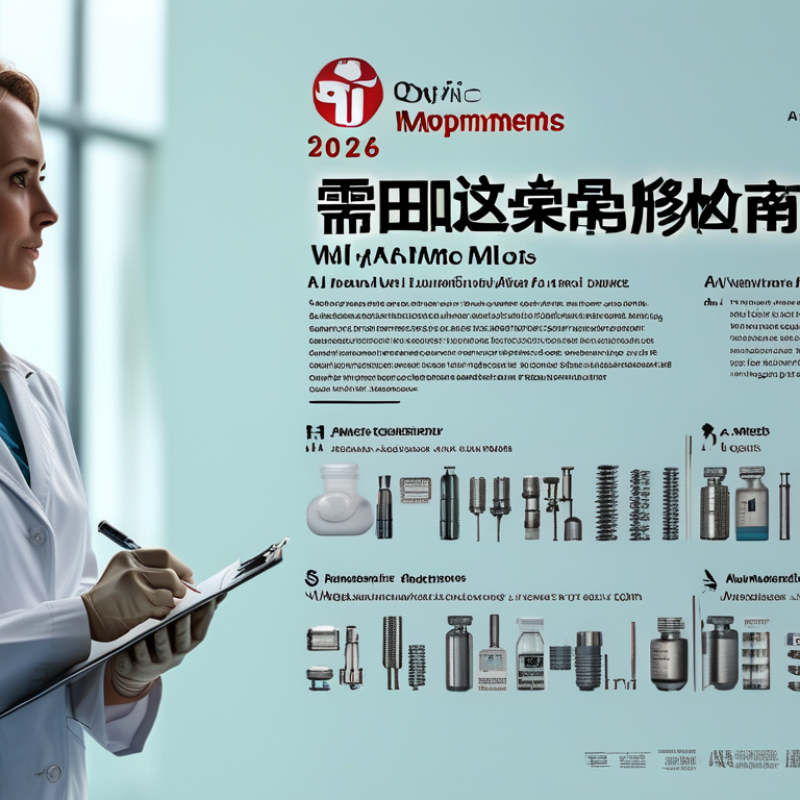
2026 How to Import Orthopedic Implants What Documents Are Needed

Understanding the Basics of Importing Orthopedic Implants

Importing orthopedic implants is a significant venture, especially in regions experiencing a rise in surgical procedures. The global orthopedic implant market is projected to reach $57 billion by 2026. This growth reflects a robust demand for high-quality implants, driven by an aging population and advancements in surgical techniques. Understanding the basics of importing these medical devices is crucial for compliance and ensuring patient safety.

Documentation is essential when navigating the import landscape of orthopedic implants. Key documents typically include a Certificate of Analysis, Import Permits, and Regulatory Compliance Certificates. Each document ensures that the products meet safety and efficacy standards. Healthcare professionals and importers must actively monitor potential changes in regulations, which can affect compliance.

Tips: Always verify the supplier's credentials. Research industry certifications and past performance. Engage with regulatory bodies for updates on guidelines. This proactive approach can prevent costly setbacks. Achieving reliability in your supply chain is not just about compliance; it’s about building trust within the medical community. Each implant imported should stand as a testament to quality and safety.

Required Documentation for Importing Medical Devices

When importing orthopedic implants, understanding the required documentation is crucial. Medical devices are subject to stringent regulations. The World Health Organization reports that successful imports depend on timely submission of necessary papers. Regulatory bodies assess these documents to ensure patient safety and compliance.

Key documents include a declaration of conformity, device specifications, and safety assessment reports. Importers need to provide quality management system certificates, typically ISO 13485, which demonstrate compliance with international standards. Data from the Medical Device Industry Report indicates that over 30% of import delays stem from incomplete documentation. This statistic highlights the importance of thorough preparation.

Navigating the regulatory landscape can be challenging. Engaging with regulatory consultants may help streamline the process. Importers must maintain clear communication with local authorities. In many cases, misunderstandings arise from unclear documentation requirements. Collecting and organizing these documents is tedious, yet it is essential for successful importation. Failure to address these aspects may lead to delays and financial losses.

Navigating Regulatory Compliance for Orthopedic Products

Navigating regulatory compliance for orthopedic products can be complex. Importing orthopedic implants requires thorough documentation. Each country has specific rules and guidelines. Understanding these is crucial for a smooth process. Key documents often include import permits, certificates of origin, and compliance declarations.

Quality assurance is paramount. Documentation must demonstrate that products meet safety standards. Incomplete or incorrect paperwork can lead to shipment delays. This might harm patient care and organizational credibility. Regulatory bodies may revise their guidelines. Staying updated is not just essential; it’s a challenge for many importers.

Engaging with experts can mitigate risks. Their insights help navigate the landscape of compliance effectively. However, relying too heavily on experts can foster dependency. Striking a balance between trust and verification is necessary. Conducting regular audits of compliance processes can help refine strategies and improve efficiency.

2026 Orthopedic Implants Import Trends

This chart illustrates the projected import volumes of orthopedic implants over the next few years, highlighting different categories such as knee implants, hip implants, and spinal implants. Understanding these trends is vital for navigating the regulatory compliance needed for importing orthopedic products.

Steps to Ensure Successful Customs Clearance for Imports

When importing orthopedic implants, ensuring successful customs clearance is paramount. A detailed understanding of customs regulations is crucial for this process. According to industry studies, over 30% of shipments face delays due to incomplete documentation. Every shipment should include specific permits, compliance certificates, and quality assurance documentation.

The FDA mandates that all orthopedic imports comply with stringent health and safety standards. This includes submitting a Pre-market Approval (PMA) application if applicable. Many importers overlook essential details, which can lead to shipment rejections. Ensuring all relevant medical device classifications are documented can mitigate this risk.

Logistics also plays a significant role. Working closely with a knowledgeable customs broker can streamline clearance. Yet, not every broker understands the complexities of orthopedic imports. Poor choices can lead to unexpected costs and delays, sometimes exceeding 20% of the shipment value. Review your procedures regularly to identify potential gaps. Continuous improvement in documentation practices is key to avoiding pitfalls in the future.

Best Practices for Maintaining Quality Standards in Imports

Importing orthopedic implants involves meticulous attention to quality standards. To ensure that the implants meet safety and effectiveness requirements, importers must adopt best practices. One essential step is to maintain clear communication with manufacturers. Establishing relationships with reliable suppliers fosters trust and transparency. Regular quality audits can help verify that the products conform to necessary specifications.

Documentation is critical in this process. Importers should prepare an accurate list of required documents, including certificates of compliance and quality control reports. These documents serve as proof of the product’s integrity. Inadequate documentation can lead to delays or even rejections at customs. Regularly reviewing these documents ensures they remain up to date with current regulations.

Consistent quality checks should be a staple in import practices. Conducting random sample testing can highlight any discrepancies early in the process. Dealing with unexpected issues can be overwhelming. An adaptable approach can help in navigating these challenges. Building a responsive system for quality assurance will give importers more confidence.

2026 How to Import Orthopedic Implants What Documents Are Needed - Best Practices for Maintaining Quality Standards in Imports

Document Type Description Purpose
Import License A government-issued document allowing the importation of specific goods Ensures compliance with national import regulations
Bill of Lading A legal document between the shipper and carrier detailing the type and quantity of goods Serves as proof of shipment and receipt of goods
Certificate of Origin A document attesting that the goods were produced in a specific country Required for customs clearance and tariff assessments
Quality Assurance Certificates Documents verifying that the products meet specific quality standards Ensures safety and efficacy of medical devices
Customs Declaration A form submitted to customs authorities indicating the details of the imported goods Facilitates the assessment and taxation of the goods
Compliance Documentation Documents demonstrating adherence to regulatory standards of the destination country Ensures legality and quality of imports

FAQS

: What documents are required for importing orthopedic implants?

: Required documents include a declaration of conformity, device specifications, and safety assessment reports.

Why is documentation crucial in the import process?

Incomplete documentation can lead to delays. Over 30% of import issues are due to this.

How can importers ensure product quality?

They should conduct quality audits and maintain clear communication with manufacturers for better reliability.

What happens if documentation is inadequate?

Inadequate documents can result in delays or customs rejections. This may cause financial losses.

How often should importers review their documents?

It’s best practice to regularly review documents to ensure they comply with current regulations.

What role do regulatory consultants play?

They help navigate the regulatory process and streamline imports, which can reduce misunderstandings.

Can unexpected issues occur during imports?

Yes, unexpected issues may arise. Having an adaptable approach can help manage these challenges effectively.

Is sample testing important?

Yes, random sample testing can detect discrepancies early, ensuring product quality is maintained.

How can importers build trust with suppliers?

Establishing strong and transparent relationships with reliable suppliers fosters trust and enhances communication.

What is the impact of poor communication with local authorities?

Poor communication can lead to misunderstandings and errors in documentation, impacting the import process negatively.

Conclusion

Importing orthopedic implants involves a comprehensive understanding of various regulatory and documentation requirements. Key steps include identifying the essential paperwork needed for importation, which directly addresses the question, "What documents are required to import orthopedic implants?" Typically, this includes import permits, quality certifications, and compliance declarations.

Navigating regulatory compliance is crucial, as each country may have specific guidelines governing medical devices. It is important to ensure adherence to these regulations to facilitate successful customs clearance. Additionally, maintaining quality standards throughout the importing process is vital for ensuring the safety and effectiveness of the orthopedic products. By following best practices and thoroughly preparing the necessary documents, importers can streamline their operations and enhance the likelihood of a smooth import experience.

Charlotte

Charlotte

Charlotte is a seasoned marketing professional with a deep understanding of the company's portfolio and a passion for elevating its presence in the market. With a keen eye for detail and a commitment to excellence, she ensures that our professional blog is regularly updated with insightful articles......