Horaizon Orthopedic Implants Horaizon Orthopedic Implants

Top 10 Factors Influencing Orthopedic Implant Shelf Life?

Time:2026-05-22 Author:Charlotte
0%

The shelf life of orthopedic implants is a critical concern in healthcare. Patients and healthcare providers must understand what factors affect the shelf life of orthopedic implants. Dr. Emily Foster, a leading expert in biomedical engineering, states, "The longevity of an implant can significantly impact patient recovery and long-term outcomes."

Many factors play a role in determining the shelf life of these implants. Material stability, packaging integrity, and sterilization methods are crucial. Additionally, environmental conditions like temperature and humidity can affect these implants. Over time, degradation can occur, leading to potential complications in surgery or patient health.

Manufacturers need to examine these factors closely. They should routinely assess shelf life. Transparency and comprehensive testing can provide more reliable data. As our understanding grows, it's clear that the dialogue on what factors affect the shelf life of orthopedic implants remains unfinished. Continuous research and strategic innovations are necessary to ensure patient safety and implant effectiveness over time.
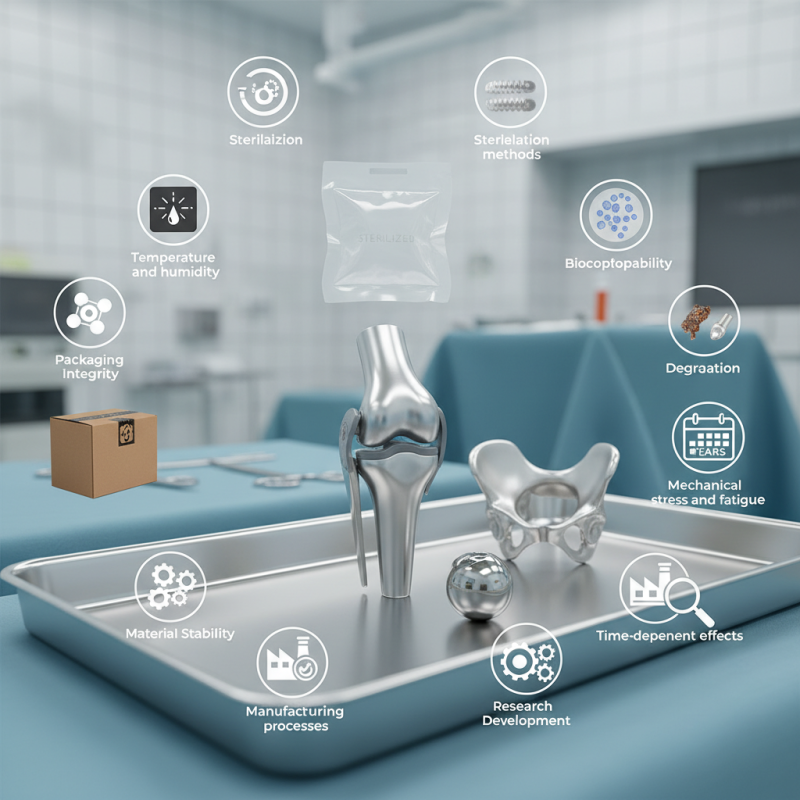
Top 10 Factors Influencing Orthopedic Implant Shelf Life?

Factors Impacting Material Degradation in Orthopedic Implants

Material degradation in orthopedic implants is a critical issue that significantly impacts shelf life. Several factors, such as biocompatibility, mechanical stress, and environmental exposure, influence how materials age over time. For example, a report from the Journal of Orthopedic Research highlights that fatigue loading can reduce implant lifespan by nearly 30%. Even minor shifts in load can cause cracks in materials, directly impacting their longevity.

Chemical environments also play a significant role. Implants are often exposed to bodily fluids, which can accelerate corrosion. A study from the International Journal of Materials Research reports that specific metals can degrade by up to 10% annually when subjected to saline conditions. Such degradation can lead to increased wear particles, contributing to osteolysis, a condition harmful to bone health.

Moreover, sterilization processes may unintentionally affect material properties. High-temperature sterilization can alter the structural integrity of polymers used in some implants. A comprehensive evaluation of material selection is crucial for improving shelf life. Ongoing research aims to better understand these factors for improved design and longevity in orthopedic implants.

Effects of Sterilization Methods on Shelf Life of Implants

Sterilization methods significantly impact the shelf life of orthopedic implants. Different techniques such as ethylene oxide, steam, and radiation can affect the materials' integrity over time. Ethylene oxide is effective but leaves residues that may impact biocompatibility. Steam sterilization is quick and thorough but can weaken certain materials. Radiation is reliable, yet it can alter mechanical properties.

For extended shelf life, select the appropriate sterilization method. Consider the implant materials and the intended use. It’s crucial to monitor and control sterilization parameters closely. Incorrect techniques can lead to compromised implants.

Tip 1: Always check the packaging integrity before use. An intact seal indicates that sterility is maintained.
Tip 2: Store implants in a cool, dry environment. Excess moisture can promote microbial growth, ruining the implant’s effectiveness.
Tip 3: Regularly review storage conditions. Unexpected changes can impact the shelf life and reliability of implants.

Role of Packaging Materials in Preventing Implant Contamination

Packaging materials play a crucial role in maintaining the integrity of orthopedic implants. They are designed to create a barrier against environmental factors that can lead to contamination. High-quality packaging materials can prevent moisture, dust, and microorganisms from affecting the implants before surgery.

Contamination can significantly reduce the shelf life of orthopedic implants. A compromised package may allow harmful agents to enter, increasing infection risks during implantation. For this reason, manufacturers must select appropriate materials that meet stringent industry standards. Common materials like sterile pouches and vacuum-sealed bags serve specific purposes in protecting the implant.

However, not all packaging is flawless. Over time, even the best materials can degrade or be damaged. This degradation can occur due to temperature fluctuations or improper storage methods. Such issues raise concerns about the reliability of the implants. Therefore, regular evaluations of packaging effectiveness are essential. Stakeholders must reflect on current practices to ensure the highest standards in preserving implant quality.

Influence of Environmental Conditions on Implant Longevity

Environmental conditions significantly impact the longevity of orthopedic implants. Temperature and humidity fluctuations can lead to material degradation over time. High humidity may accelerate corrosion in metal implants. Meanwhile, extreme temperatures can affect the structural integrity of polymers. It is essential to understand these factors for maintaining optimal implant performance.

Tips: Regular inspections of storage environments can help monitor conditions. Check for moisture levels frequently. Ensure temperature settings remain stable in storage areas.

Another factor is exposure to light. UV radiation can weaken certain materials used in implants. Limiting light exposure during storage can contribute to longer shelf life.

Tips: Use opaque containers for storage. Shield implants from direct light. Create a controlled environment to reduce risks.

Implementing these practices can help enhance the durability of orthopedic implants. While advances in materials have improved longevity, environmental threats still pose challenges. Continuous monitoring is key to overcoming these obstacles.

Top 10 Factors Influencing Orthopedic Implant Shelf Life

This chart illustrates the top 10 factors that influence the shelf life of orthopedic implants, scored on a scale from 1 to 10 based on their impact. Understanding these factors is crucial for ensuring optimal implant longevity.

Regulatory Standards and Their Impact on Implant Shelf Life

Regulatory standards play a crucial role in determining the shelf life of orthopedic implants. These standards ensure that products maintain their quality and safety throughout their intended use. Compliance with regulations, such as those from health authorities, can significantly impact the testing and approval process for implants. Manufacturers must conduct rigorous assessments to meet these standards.

One important aspect is the biocompatibility of materials used in implants. The choice of materials affects how long an implant can remain effective. For example, some materials degrade faster than others, leading to reduced shelf life. It's essential for manufacturers to continually review and test these materials.

Tips: Regularly review regulatory changes to stay compliant. This helps ensure that your implants remain safe and effective. Also, consider conducting routine internal audits. They can identify potential risks before they impact shelf life. A proactive approach increases reliability.

Another concern is the storage conditions of implants. Improper storage can lead to quality degradation. Adhering to recommended temperature and humidity levels is necessary for maintaining implant integrity. Manufacturers must provide clear guidelines for end users to follow. This enhances user safety and prolongs product life.

Top 10 Factors Influencing Orthopedic Implant Shelf Life

Factor Description Impact Level (1-10)
Material Quality High-quality materials can enhance longevity and durability. 9
Sterilization Method Proper sterilization ensures that implants remain free from contamination. 8
Packaging Integrity Integrity of packaging prevents exposure to environmental factors. 9
Shelf Storage Conditions Temperature and humidity control during storage can affect shelf life. 7
Regulatory Compliance Adhering to regulations ensures safety and efficacy of implants. 10
Expiration Date Defined expiration dates inform safety and usability limits. 9
Environmental Factors Exposure to UV light, chemicals, and other factors can degrade materials. 6
Handling Protocols Careful handling prevents damage that could compromise safety. 8
Product Design Innovative designs can enhance stability and reduce wear over time. 7
Post-Market Surveillance Ongoing assessment helps improve quality and address potential issues. 8

FAQS

: What factors affect orthopedic implant degradation?

: Biocompatibility, mechanical stress, and environmental exposure significantly impact degradation rates.

How does mechanical stress influence implant lifespan?

Mechanical loading can reduce lifespan by nearly 30%. Even minor load shifts can cause cracks.

What role do chemical environments play in implant degradation?

Bodily fluids can accelerate corrosion, degrading metals by up to 10% annually in saline conditions.

How can sterilization methods affect implants?

Different sterilization techniques may alter material integrity, impacting the shelf life of implants.

Why is monitoring sterilization parameters important?

Incorrect sterilization can compromise implants, affecting their safety and effectiveness.

What should be checked before using an implant?

Always inspect the packaging integrity. An intact seal indicates maintained sterility.

How can storage conditions affect implant reliability?

Storing in a cool, dry place prevents microbial growth that could ruin the implant's effectiveness.

Why are packaging materials critical for implants?

They create barriers against contamination from moisture, dust, and microorganisms before surgery.

What can lead to packaging degradation?

Temperature fluctuations and improper storage methods can damage even high-quality materials.

What reflects the need for regular packaging evaluations?

Over time, packaging can degrade, raising concerns about implant reliability and quality.

Conclusion

The shelf life of orthopedic implants is influenced by several critical factors. First, the material degradation of the implants plays a significant role, as factors like wear, corrosion, and biocompatibility can greatly affect their longevity. Additionally, the sterilization methods used can impact the integrity of the materials and, consequently, their shelf life. Properly chosen sterilization techniques are essential to maintain the implants' effectiveness over time.

Packaging materials also contribute to preventing contamination, ensuring that implants remain sterile until they are needed. Environmental conditions, including temperature and humidity, further influence implant longevity, emphasizing the need for appropriate storage solutions. Lastly, adherence to regulatory standards is crucial, as these guidelines help ensure the safety and reliability of orthopedic implants throughout their intended shelf life. Overall, understanding what factors affect the shelf life of orthopedic implants is vital for improving patient outcomes and the effectiveness of these medical devices.

Charlotte

Charlotte

Charlotte is a seasoned marketing professional with a deep understanding of the company's portfolio and a passion for elevating its presence in the market. With a keen eye for detail and a commitment to excellence, she ensures that our professional blog is regularly updated with insightful articles......