 Horaizon Orthopedic Implants
Horaizon Orthopedic Implants
Horaizon Orthopedic Implants
The demand for custom orthopedic implants has surged in recent years. With advancements in technology, these implants are tailored to fit individual patient needs. However, a key question arises in this context: What is the typical lead time for custom orthopedic implants?
According to a recent report by Smith & Nephew, the customization process can take anywhere from a few weeks to several months. Factors like design complexity, material selection, and manufacturing capabilities influence this timeline. In some cases, delays can occur due to regulatory hurdles and quality assurance testing.
As the industry continues to evolve, it faces challenges. The need for faster production methods must be balanced with stringent quality standards. Ensuring patient safety remains paramount. Thus, while striving for shorter lead times, reflection on these trade-offs is essential for manufacturers.
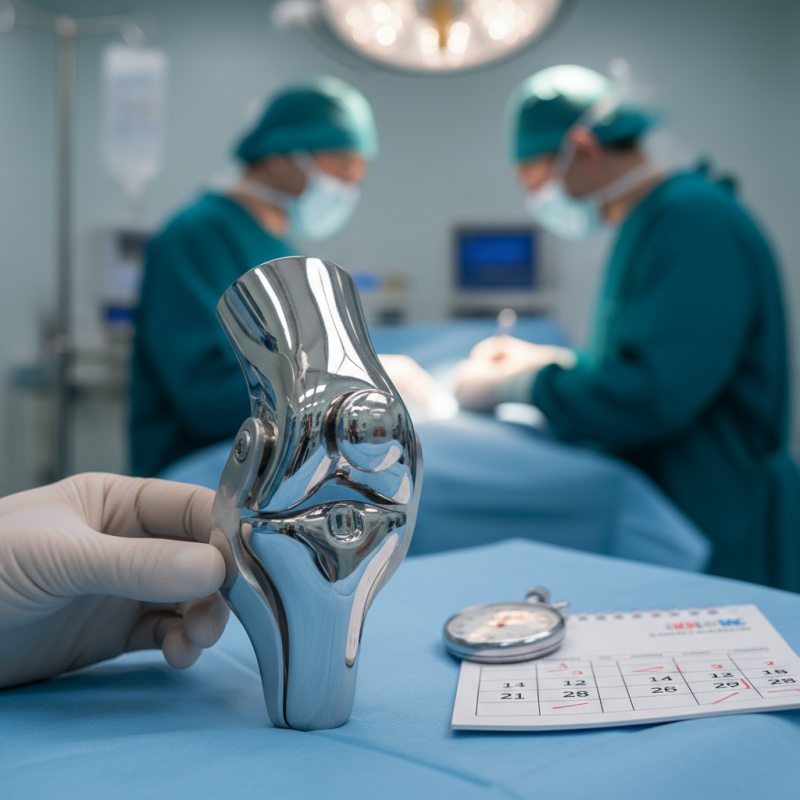
When considering custom orthopedic implants in China, it's crucial to understand their unique aspects. Custom implants are designed to meet individual anatomical needs, enhancing surgical outcomes. According to a report from the Global Orthopedic Implant Market, the demand for customized solutions is increasing, with projected growth rates of over 5% annually.
Chinese manufacturers have become leaders in producing these implants. They utilize advanced technologies like 3D printing, which allows for precise designs. However, the lead times can vary significantly. On average, custom orthopedic implants may take anywhere from 4 to 12 weeks to produce, influenced by the complexity of the design and production techniques used.
**Tip:** Communicate early with your supplier to understand their production capabilities. This can help set realistic timelines for your projects.
Quality assurance is another vital aspect. With multiple regulations in place, manufacturers must adhere to strict guidelines. However, challenges remain. Quality control can vary among different producers, leading to potential inconsistencies in product performance.
**Tip:** Always request detailed quality certifications from manufacturers to ensure compliance with international standards. This will enhance trust in the products you receive.
| Implant Type | Typical Lead Time (Weeks) | Material Used | Applications |
|---|---|---|---|
| Custom Knee Implants | 6-8 | Titanium Alloy | Knee Replacement Surgery |
| Custom Hip Implants | 5-7 | Cobalt-Chromium Alloy | Hip Replacement Surgery |
| Custom Spine Implants | 4-6 | PEEK (Polyether Ether Ketone) | Spinal Fusion Surgery |
| Custom Shoulder Implants | 5-9 | Titanium | Shoulder Replacement Surgery |
| Custom Ankle Implants | 6-10 | Stainless Steel | Ankle Replacement Surgery |
: They are tailored implants designed to fit individual anatomical needs, improving surgical results.
Custom orthopedic implants typically take 4 to 12 weeks to produce, depending on design complexity.
Design complexity, material selection, and regulatory approvals can all affect production timelines.
Intricate designs require more time for manufacturing, potentially increasing lead times by up to 30%.
Biomaterials like titanium alloys and bioactive ceramics can extend lead times due to sourcing issues.
Compliance testing delays can add weeks to the process, contributing to longer production times.
Always ask for detailed quality certifications to verify adherence to international standards.
Yes, misunderstandings between medical professionals and manufacturers can lead to delays.
No, simpler implants generally have shorter lead times compared to complex designs like joint replacements.
Changing specifications often can significantly slow down the production process, leading to longer lead times.
The article "China Best Custom Orthopedic Implants Typical Lead Time?" explores the intricacies of custom orthopedic implants manufactured in China. It begins by outlining the key characteristics of these implants, which are tailored to meet the specific needs of patients. The article then delves into the various factors that influence lead times for orthopedic implants, including material availability, production capabilities, and regulatory considerations.
One of the essential discussions centers around the manufacturing processes for custom implants, highlighting the typical stages involved from design to final production. The article provides insights into average lead times for different types of orthopedic implants, revealing that the timeframes can vary significantly based on complexity and customization requirements. Ultimately, it presents effective strategies to minimize lead time in custom implant production, answering the critical question of "What is the typical lead time for custom orthopedic implants" and assisting stakeholders in making informed decisions.
