Horaizon Orthopedic Implants
Understanding how to check if orthopedic implants meet EU medical standards is crucial. These implants play a vital role in patient care and safety. Adhering to EU regulations ensures that devices are safe and effective for use. Manufacturers must demonstrate compliance through rigorous testing and documentation.
Healthcare professionals must be aware of the criteria for orthopedic implants. This includes evaluating product specifications, clinical performance data, and risk assessments. These criteria can be complex, leading to potential confusion. It's essential to stay informed about the latest regulations and standards.
A proactive approach is necessary for ensuring compliance. Regular training and updates on EU medical standards can help. However, some manufacturers may still overlook critical details. This can create gaps in safety. Careful evaluation of orthopedic implants can prevent these issues, ultimately protecting patients' well-being.
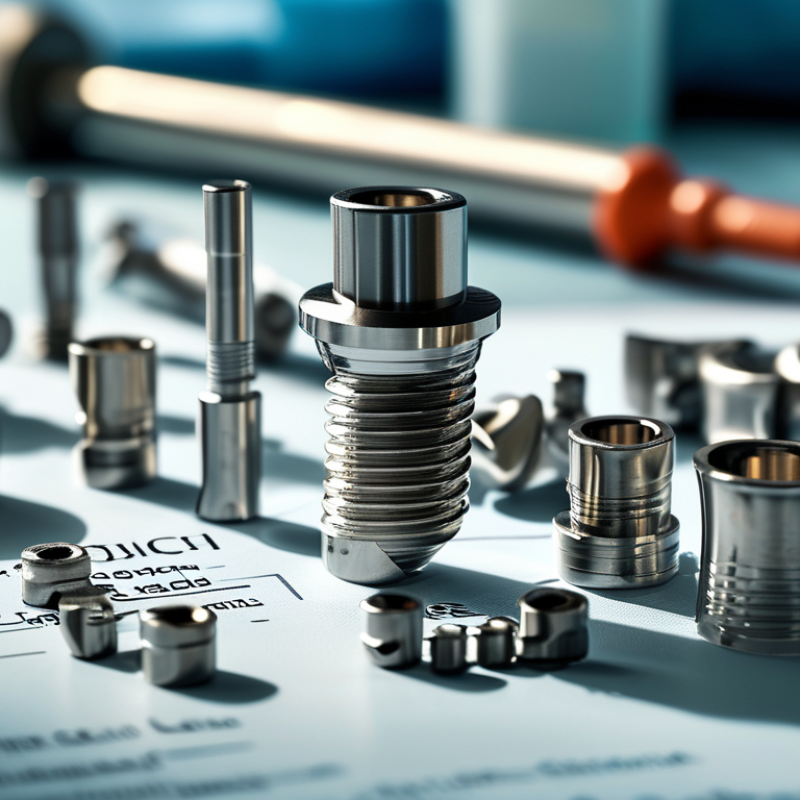
Orthopedic implants play a crucial role in modern medical treatments, significantly affecting patient outcomes. To meet EU medical standards, manufacturers must adhere to stringent regulations. These regulations ensure that implants are safe and effective. For instance, the European Union's Medical Device Regulation (MDR 2017/745) emphasizes clinical evaluation and post-market surveillance. Such measures guarantee that implants are continually assessed for safety and performance.
Importantly, the EU mandates rigorous testing before implants enter the market. They require a comprehensive risk assessment and validation of the manufacturing process. Recent studies indicate that up to 30% of devices experience issues post-release, revealing the importance of continuous monitoring. These insights stress the need for transparency and accountability among manufacturers.
Tip: Always verify that your orthopedic implants align with the EU's standards. Regular communication with regulatory bodies can clarify compliance doubts.
Tip: Consider collaborating with experts in orthopedics for better insights. Expert opinions can guide the implementation of best practices in manufacturing.
The process isn't flawless. Some manufacturers struggle to keep up with evolving regulations. This can lead to delays and potential risks for patients. Regulatory bodies must evolve alongside technology to ensure safety remains paramount.
This chart illustrates the compliance rates of various aspects of orthopedic implants with EU medical standards. Material compliance shows the highest rate at 85%, while the manufacturer quality system has the lowest at 70%. These factors are critical for ensuring the safety and effectiveness of orthopedic products in the market.
The European Union has strict regulations governing orthopedic implants. Key regulations include the Medical Device Regulation (MDR) and the In-Vitro Diagnostic Medical Device Regulation (IVDR). These frameworks ensure that every product meets stringent safety and performance standards. Manufacturers must demonstrate compliance through rigorous testing.
Documentation is crucial. Companies must maintain a technical file that includes detailed information about design, manufacturing processes, and risk management. This file should also outline clinical evaluations and post-market surveillance plans. Regular audits by notified bodies assess adherence to EU norms. Non-compliance can lead to removal from the market.
Challenges exist in navigating these regulations. Smaller manufacturers might not have the resources to meet all requirements effectively. This can lead to gaps in compliance processes. Continuous education and adaptation to changing regulations are essential for success in this field. Remaining informed about updates in guidelines can dramatically affect product approval and market presence.
When assessing orthopedic implants for compliance with EU medical standards, a detailed approach is essential. Start by gathering the necessary documentation. This includes technical files and risk assessments. Ensure that these documents reflect the current regulations set by the EU. The authenticity and accuracy of these files are crucial. They should demonstrate thorough testing and evaluation of the implant’s performance.
Next, you should conduct a thorough technical review. This involves checking biocompatibility data, mechanical testing results, and clinical evaluations. Each implant should meet specific criteria outlined in the relevant directives. Scrutinize these findings for any inconsistencies. Sometimes, initial tests may fail to meet expectations. A reassessment may be necessary to address these shortcomings.
It's important to engage with notified bodies if there are uncertainties. These organizations provide valuable insights and guidance. They can help clarify complex regulations and standards. However, communication is key. Be prepared to present all relevant data and adjustments made to the product. In some cases, additional testing or documentation may be required. Continuous reflection on the compliance process can lead to improved outcomes in the long run.
Orthopedic implants must comply with stringent EU medical standards to ensure patient safety. A key element of compliance involves thorough documentation and testing requirements. According to industry reports, over 80% of orthopedic implant failures relate to insufficient testing. Therefore, rigorous pre-market evaluations are critical in this sector.
The EU Medical Device Regulation (MDR) mandates comprehensive clinical evaluations. These evaluations assess safety, performance, and potential risks of implants. Every implant requires a technical file that documents design, manufacturing, and testing processes. Additionally, reports indicate that more than 60% of manufacturers face challenges creating adequate documentation. This reflects a need for consistent improvements in manufacturing practices.
Furthermore, testing protocols must include biocompatibility assessments and mechanical testing for durability. Data shows that about 30% of implants experience complications within the first five years of use. Continuous monitoring post-market can bridge gaps in initial testing. Engaging with updated data and protocols can help increase reliability in implant performance and ultimately patient trust.
Ensuring compliance with EU medical regulations can be complex. One major challenge is the stringent requirements for testing and documentation. Manufacturers must produce detailed technical files. These include risk assessments, clinical evaluations, and design dossiers. This process often feels overwhelming. Even experienced teams may miss critical documentation.
Another significant issue lies in the interpretation of regulations. The rules can be open to different interpretations. This variability leads to confusion among manufacturers. It can cause delays in product approvals. Often, a lack of clear guidance results in inconsistent compliance. Companies need to stay vigilant. Regular training is essential for teams to understand changes in regulations.
Additionally, keeping up with post-market surveillance is challenging. After an implant is on the market, monitoring its performance is vital. This requires a robust system for collecting and analyzing data. However, many companies struggle to implement effective surveillance systems. Balancing compliance and innovation remains a continuous journey. It is crucial for manufacturers to reflect on their processes regularly.
| Compliance Aspect | Common Challenges | Recommended Solutions |
|---|---|---|
| Material Safety | Ensuring biocompatibility and lack of harmful substances | Conduct comprehensive testing and use of certified materials |
| Clinical Evaluation | Difficulty in obtaining sufficient clinical data | Engage in multi-center studies to gather data |
| Documentation | Completeness and accuracy of documentation for CE marking | Implement a robust quality management system |
| Regulatory Changes | Keeping up with evolving EU regulations | Regular training and updates for compliance teams |
| Post-Market Surveillance | Monitoring long-term performance and adverse events | Establish an effective post-market monitoring system |
: The EU has the Medical Device Regulation (MDR) and In-Vitro Diagnostic Medical Device Regulation (IVDR) for orthopedic implants.
Documentation is crucial as it details design, manufacturing processes, and risk management plans for compliance.
The technical file must include clinical evaluations, post-market surveillance plans, and rigorous testing data.
Smaller manufacturers often lack resources to meet compliance, leading to potential gaps in documentation.
Start by gathering documents, conducting technical reviews, and ensuring data reflects current EU regulations.
Non-compliance can lead to product removal from the market and affect the manufacturer's reputation.
Manufacturers can seek guidance from notified bodies to clarify regulations and present relevant data for assessments.
Misinterpretations of regulations and missing documentation often lead to delays in product approvals.
Monitoring an implant's performance is vital after launch to ensure ongoing compliance and user safety.
Regular reflection on processes and continuous education can help enhance compliance and address challenges effectively.
In the process of determining how to check if orthopedic implants meet EU medical standards, it's essential to understand the key regulations and directives that govern these medical devices. Compliance with EU standards involves a meticulous step-by-step assessment process, which includes thorough documentation and rigorous testing requirements. Manufacturers must ensure they adhere to these regulations to demonstrate the safety and effectiveness of their products.
Additionally, navigating the compliance landscape can present common challenges, such as keeping up-to-date with evolving standards and ensuring all necessary documentation is properly maintained. By addressing these aspects, stakeholders can effectively verify that orthopedic implants comply with the stringent EU medical regulations, ensuring their products meet the high safety and quality standards demanded in the market.
