Horaizon Orthopedic Implants
In the field of orthopedic surgery, choosing the right implant is crucial. With numerous brands available, it can be overwhelming for both surgeons and patients. Understanding how to compare the quality of orthopedic implants from different manufacturers is essential for making informed decisions. Quality often varies based on material, design, and manufacturing processes.
Surgeons need to assess these aspects critically. For example, titanium implants are favored for their strength and biocompatibility, yet not all titanium is created equal. Some brands may use inferior grades, affecting performance and safety. It is vital to dig deeper into the specifications and certifications of each product.
Brand reputation also plays a significant role. Established companies tend to have more rigorous testing and quality control. However, newer manufacturers might innovate more effectively. This landscape requires careful evaluation. Key questions should focus on long-term outcomes and patient feedback. Ultimately, the goal is to ensure the best possible results for patients, making it necessary to reflect on past decisions and learn from them.
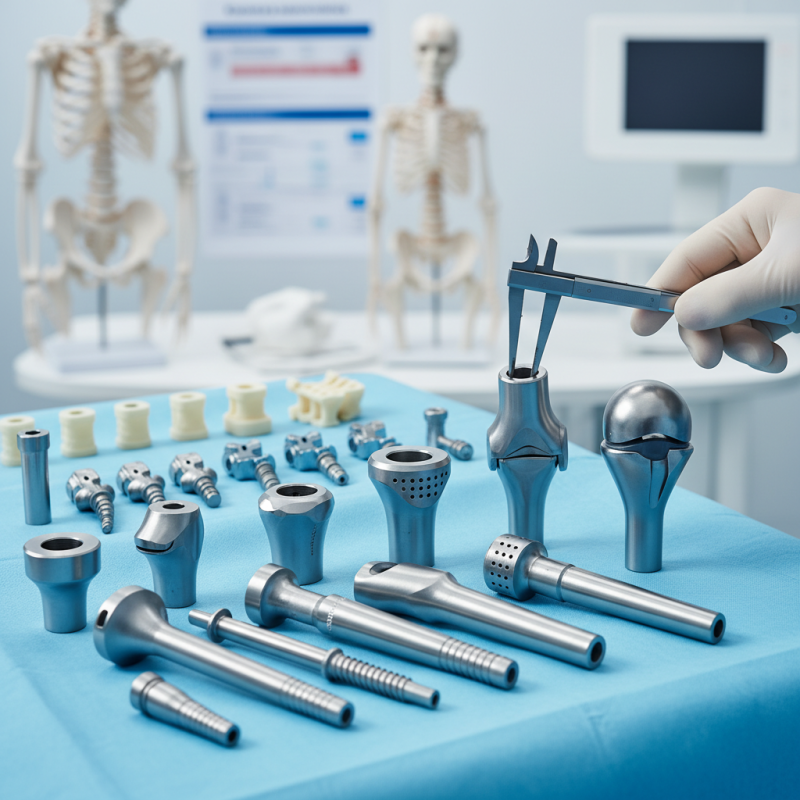
Assessing the quality of orthopedic implants involves several critical criteria. Material composition is essential. High-quality implants often use titanium or cobalt-chromium alloys for strength and biocompatibility. A study found that these materials reduce the risk of rejection and enhance durability compared to alternatives. Understanding the material properties can guide clinicians in making informed decisions.
Manufacturing processes also play a significant role. Implants produced through rigorous quality control tend to perform better. For instance, precision machining minimizes imperfections, leading to improved fit and function. Reports indicate that implants with lower defect rates result in fewer complications. Regular audits of manufacturers ensure adherence to these standards.
Tips for evaluation: Always request data on the implant's long-term performance. Look for clinical studies that confirm the effectiveness of the implant over time. Checking for FDA approval can also be a reliable indicator of safety and efficacy. Keep an eye on post-market surveillance data; they reveal real-world performance that lab tests may not fully capture. Prioritize implants with a proven track record. Familiarize yourself with both successful and unsuccessful cases. Reflecting on these factors can lead to better surgical outcomes and patient satisfaction.
This chart illustrates the assessment of various quality criteria for orthopedic implants, including Biocompatibility, Durability, Design Innovation, and Cost-effectiveness. The data reflects the average ratings based on evaluations from multiple implants.
When evaluating orthopedic implants, understanding regulatory standards is crucial. Various countries have specific guidelines for implant safety and effectiveness. The U.S. Food and Drug Administration (FDA) oversees the approval process, ensuring that devices meet stringent requirements. This includes reviewing clinical data and conducting risk assessments.
Regulations may differ across regions, leading to variations in available products. Some implants might receive approval in one country but face additional scrutiny elsewhere. This disparity raises questions about quality and safety. Observing these regulations can help patients and healthcare professionals make informed decisions.
Choosing implants based solely on regulatory approval is not enough. Even with compliance, differences in manufacturing processes can result in varying performance outcomes. It is essential to consider clinical results and long-term data. Understanding these complexities leads to better choices in orthopedic care.
When evaluating orthopedic implants, the choice of materials plays a crucial role. Various manufacturers utilize different substances, affecting both functionality and biocompatibility. Common materials include titanium alloys, stainless steel, and bioceramics. Each of these has unique properties. For example, titanium is lightweight and has excellent resistance to corrosion. However, it can be more expensive, which raises questions about accessibility.
Stainless steel is often used for its strength and affordability. Still, it's heavier and might lead to complications, such as allergic reactions. Bioceramics offer high biocompatibility, promoting better integration with bone tissue. Yet, they can be brittle, leading to potential fractures. A comparison of these materials is essential. Patients may not always be aware of the differences in composition and their implications for long-term outcomes.
Furthermore, evaluating the long-term performance of implants remains challenging. Success rates can vary significantly, depending on the material used. Professional guidance is necessary to understand these options fully. Reflection on the individual needs of patients is vital. Each person's condition may influence which material is the most appropriate. Making informed choices requires thorough discussion and understanding of the materials involved.
Assessing the long-term performance and clinical outcomes of orthopedic implants is crucial. Studies indicate that around 30% of initial implants fail within a decade. This highlights the need for rigorous evaluation. Factors influencing implant longevity include materials, design, and surgical techniques.
Recent data from clinical trials show a correlation between specific materials and their performance in vivo. For instance, titanium alloys often outperform stainless steel implants in terms of integration and durability. In a two-year follow-up study, 90% of patients with titanium implants reported satisfactory results compared to only 70% for other materials.
However, not all implants designed with the same material yield similar outcomes. Variability in manufacturing processes can lead to inconsistencies. Surgeons must consider these factors carefully. Additionally, patient-related variables, such as age and activity level, play a significant role. Customized approaches may enhance outcomes but require further research to establish definitive protocols.
| Implant Type | Material | Survival Rate (%) | Complication Rate (%) | Follow-up Period (Years) | Patients Satisfaction Rate (%) |
|---|---|---|---|---|---|
| Total Hip Replacement | Titanium Alloy | 95 | 5 | 10 | 90 |
| Knee Replacement | Cobalt-Chromium Alloy | 92 | 6 | 8 | 85 |
| Spinal Fusion | Polyetheretherketone (PEEK) | 89 | 7 | 5 | 78 |
| Shoulder Arthroplasty | Ceramic | 90 | 4 | 6 | 92 |
| ankle Replacement | Stainless Steel | 88 | 8 | 4 | 80 |
Assessing the quality of orthopedic implants is essential for both clinicians and patients. User feedback plays a pivotal role in understanding brand reliability. Many patients share their experiences online. These insights often highlight pain relief, mobility improvements, and sometimes disappointments. Observing these accounts can guide potential users through their choices.
Tips to consider: Look for detailed personal stories. They offer context that statistics often miss. Watch for patterns in comments, both positive and negative. This can indicate consistency in implant performance. Be cautious of overly positive reviews. They may omit essential information about complications or dissatisfaction.
Case studies also provide valuable data. They showcase real-world outcomes following specific implants. Doctors often cite these studies during consultations. Yet, it’s crucial to note that results can vary. Every patient's anatomy and condition differ. Therefore, one brand's success for one individual may not apply universally. This variance reminds us to rely on comprehensive assessments rather than singular testimonials.
: Regulatory standards ensure implant safety and effectiveness. They vary by country and involve strict approval processes.
Understanding regulations helps patients and professionals make informed choices about implant quality and safety.
No, regulations differ across regions. Some implants might be approved in one country but face scrutiny in another.
Common materials include titanium alloys, stainless steel, and bioceramics. Each has unique properties affecting performance.
Titanium is lightweight and corrosion-resistant, but it can be more expensive, raising accessibility concerns.
Stainless steel is strong and affordable but heavier and may cause allergic reactions in some patients.
Bioceramics are biocompatible, promoting bone integration, but can be brittle and lead to fractures.
Success rates vary widely based on material used. It’s crucial to discuss options with professionals.
Patients should discuss their specific needs and understand material differences fully before selecting implants.
Each person's condition influences the effectiveness of different materials, requiring personalized consideration.
Assessing the quality of orthopedic implants from different brands involves a multi-faceted approach. It begins with establishing clear criteria for evaluating the implants, which includes material composition, design integrity, and adherence to regulatory standards. Understanding these standards is crucial as they ensure that the implants are safe and effective for clinical use.
Moreover, a comparative analysis of the materials used by various manufacturers can reveal significant differences in performance and durability. Long-term performance and clinical outcomes should also be taken into account, as they provide valuable insights into the reliability and success rates of the implants. User feedback and case studies further enhance the understanding of brand reliability. By synthesizing this information, healthcare professionals can learn how to compare the quality of orthopedic implants from different manufacturers, ultimately leading to better patient outcomes.
